Is Chicken Better Protein Than Fish?
Chicken and fish are among the world’s most commonly consumed protein sources. Deciding which is “better” depends on factors beyond just protein grams—preparation methods, specific cuts or species, and overall nutrient profile all matter.
Table of Contents
Chicken and Fish Protein, Which Is Better?
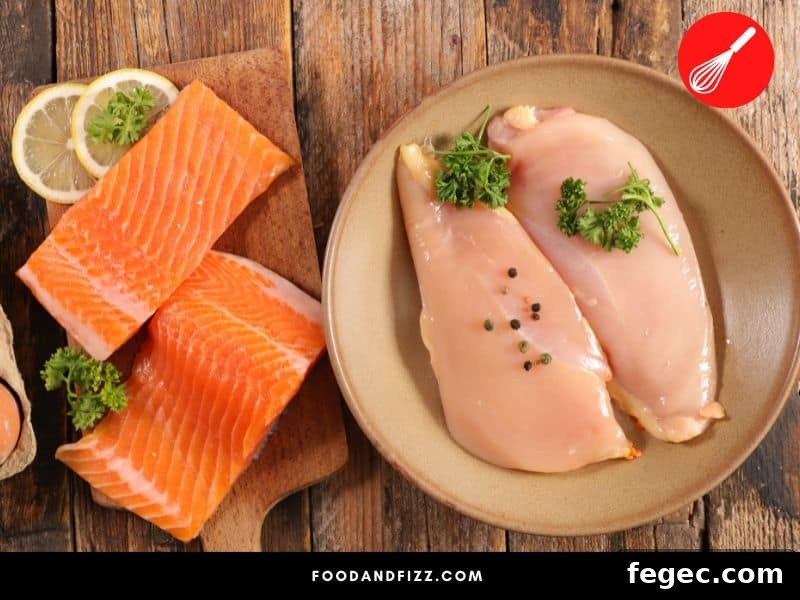
Both chicken and fish supply high-quality protein, but their protein density and other nutrients differ. For example, a three-ounce serving of cooked chicken breast contains roughly 31–32 grams of protein, while a similar serving of salmon provides about 25 grams. Fish often delivers beneficial omega-3 fats and other micronutrients that chicken lacks, so the healthiest choice depends on your goals and cooking methods.
The Truth About Chicken and Fish as Protein Sources
Both are healthy options when prepared simply. Frying or cooking with large amounts of oil, butter, or heavy sauces increases calories and can reduce the overall health benefit of the protein. The best choice depends on the cut of chicken or the species of fish, plus how you cook it.
Protein in Fish per 3-Ounce Serving
Different fish and seafood vary in protein content. Common examples per three-ounce cooked serving include:
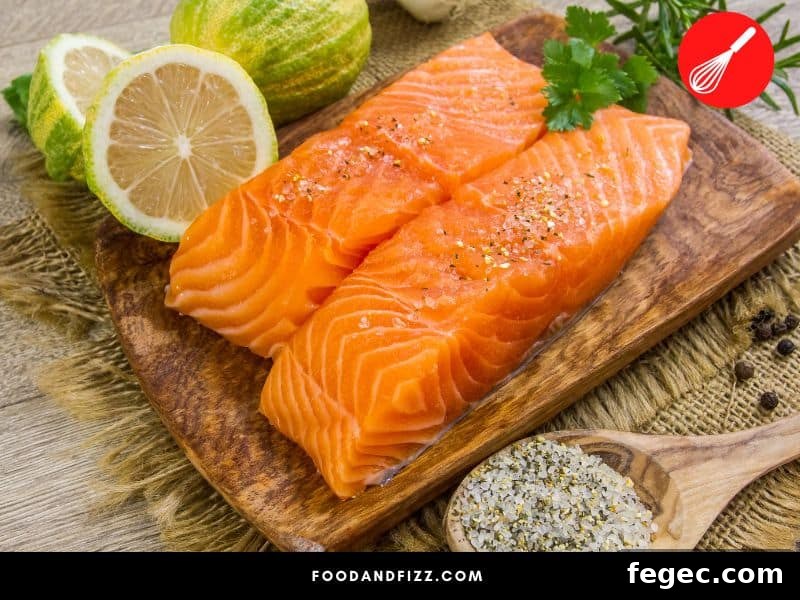
- Salmon: about 25 grams
- Canned tuna (processed): about 19 grams
- Sardines: about 25 grams
- Shrimp: about 14 grams
Some shellfish and dried fish products can be very protein-dense. Fish typically has fewer calories per ounce than fattier cuts of meat, and because portions and satiety differ, you may consume more fish and gain comparable or greater protein overall.

Protein in Chicken per 3-Ounce Serving
Chicken breast is the leanest common cut and offers the highest protein per three-ounce serving, typically around 31–32 grams when cooked. Darker cuts like thighs provide less protein per ounce and contain more calories and fat—for example, a three-ounce serving of thigh meat may deliver around 23 grams of protein but noticeably more calories.
Fish or Chicken, Which Is Healthier?
If overall nutrient value matters—protein plus heart-healthy fats and vitamins—fish often has the edge, especially fatty fish like salmon that supply omega-3s. Fish can be steamed, baked, or grilled with minimal added fat, making it easy to keep calories low. Chicken breast is an excellent lean protein source when prepared without added fats, but it lacks the same omega-3 profile.
Chicken Protein Vs Beef
Beef can provide substantial protein—lean cuts may offer around 27–28 grams per three-ounce cooked serving. However, fattier beef cuts increase calorie and saturated fat intake, which can raise cardiovascular risk when consumed frequently. Compared to beef, chicken breast generally has slightly more protein per serving and less saturated fat.
Fish Protein Vs Beef
When comparing protein-to-calorie ratios, many fish outperform beef. For example, some white fish provide around 17 grams of protein for fewer than 80 calories per three-ounce serving, while lean beef might offer more protein but with a substantially higher calorie count. Shellfish can be particularly protein-dense, though some varieties also come with higher calories.
Preparation to Improve Protein Vs Calories in Fish and Chicken
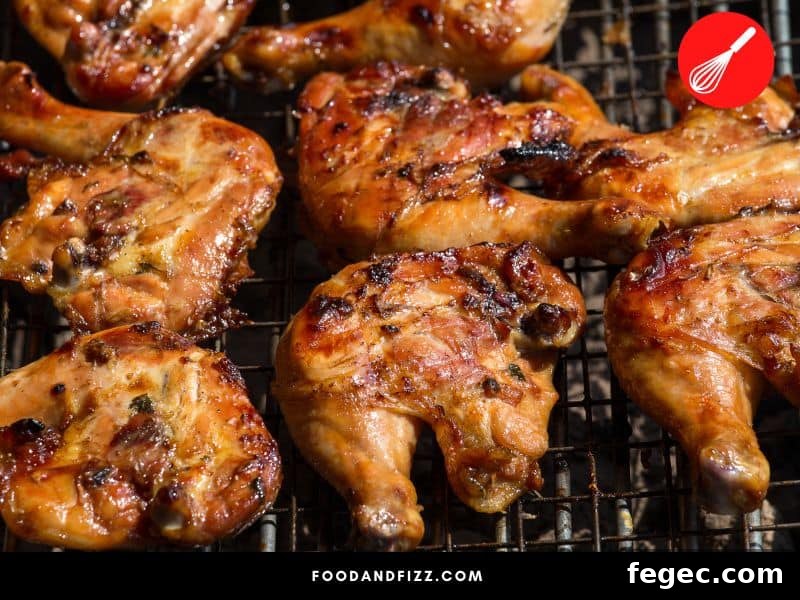
To maximize protein benefit while minimizing extra calories, choose cooking methods that don’t add much fat. Grilling, steaming, baking, or air-frying preserves protein content without loading on oils or butter. Avoid deep-frying or heavy cream- and butter-based sauces if you want a lean, nutrient-dense meal.
Chicken Vs Fish: And the Winner Is?
For lean, nutrient-rich protein, fish is often the preferable choice—especially fatty fish that add omega-3s. If you prefer poultry, skinless white chicken breast prepared by steaming or grilling is an excellent alternative. Red meat like beef provides protein but tends to bring more calories and saturated fat, so it’s best consumed in moderation depending on your dietary goals.

Frequently Asked Questions to Is Chicken Better Protein Than Fish?
Fish or chicken, which has more protein?
Per three-ounce cooked serving, chicken breast generally contains more protein than many fish fillets, but shellfish and some dried fish products can be higher in protein. Calorie content varies by species and preparation.
Is salmon or chicken better for weight loss and why?
Skinless chicken breast is a solid choice for weight loss due to its low calorie and high protein profile when prepared without added fats. Lean or dried fish varieties can also support weight loss while offering beneficial nutrients like omega-3s.
Conclusion: The Final Protein
Shellfish and some dried fish products are among the most protein-dense options, but they may also carry higher calories depending on the type. Plain fish varieties such as cod, hake, and salmon are excellent protein sources and are easy to prepare without added oils. Chicken breast provides slightly more protein than many fish per ounce, but fish typically offers better overall nutrient quality thanks to omega-3s and lower saturated fat. Choose lean cuts and simple cooking methods to get the most benefit from either protein source.