Have you tried making yogurt at home, especially in an Instant Pot? I’ve been making Greek yogurt in mine for months and I’m hooked. Based on store prices, homemade Greek yogurt seems much cheaper, but I wanted to know exactly how much cheaper when factoring in time and basic supplies. So I ran the numbers: Store Bought vs. Homemade Greek Yogurt — which is cheaper?
Welcome to another edition of “Store Bought vs Homemade: Which is Cheaper?” I used to write these comparisons regularly, and I enjoy digging into the math behind making food at home. Today’s topic is homemade Instant Pot Greek yogurt — how I make it, how long it takes, and the exact cost comparison to store-bought Greek yogurt.
In short: homemade Greek yogurt is significantly cheaper per ounce than store-bought, even when including a reasonable share of equipment cost and accounting for time.
I started making my own yogurt a few months ago.
I received an Instant Pot Duo Plus and quickly experimented with yogurt. After some trial and error, using just whole milk and live yogurt cultures, I consistently make excellent plain yogurt. It’s simple, and the result is fresher than anything I’ve bought.
I prefer Greek yogurt over thin, regular yogurt. We use plain Greek for cooking and baking, and flavored varieties for snacking. Making Greek-style yogurt at home means we’ll actually use it and save money. I began straining yogurt with cheesecloth and later purchased a dedicated yogurt strainer, which simplified the process.
We use homemade Greek yogurt for many things beyond eating it plain:
Things I use plain Greek yogurt for:
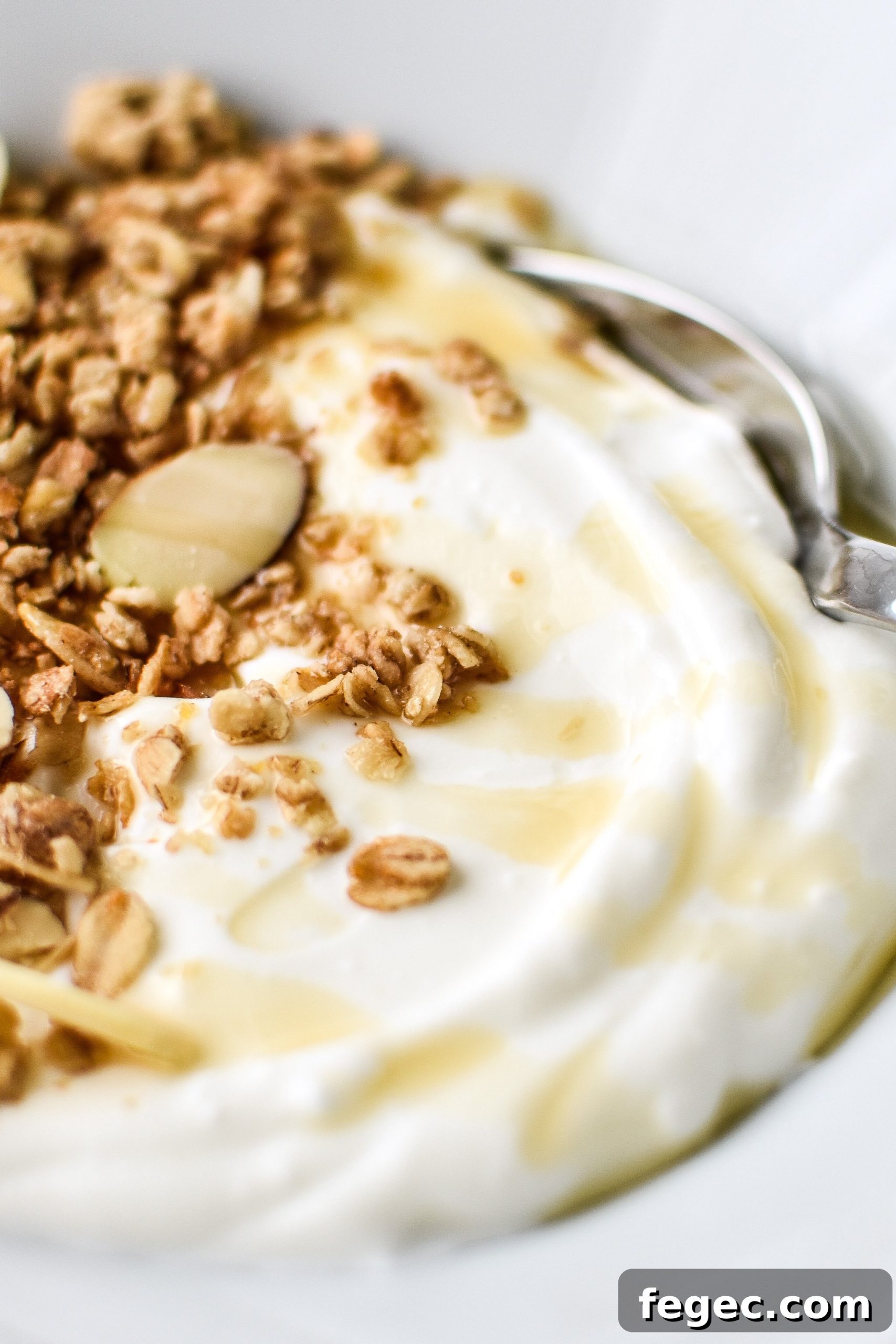
- Yogurt parfaits with granola and fruit
- Adding creaminess to casseroles
- Blending into smoothies
- Using in baked goods like muffins and cakes
- Making dips, such as homemade ranch
Aside from taste, there are other good reasons to make your own Greek yogurt.
Why make Greek yogurt at home?
- It tastes fresher and, in our opinion, better.
- You use less single-use plastic compared with individual store yogurt cups.
- Homemade yogurt contains only milk and live cultures, without added sugars or stabilizers found in many commercial products.
- The process is straightforward: heat, cool, add starter, incubate; for Greek yogurt, add one extra step—strain.
- Most importantly, it’s cheaper per ounce than many store-bought Greek yogurts.
How I make Greek yogurt at home
I make yogurt in an Instant Pot. The basic steps are:
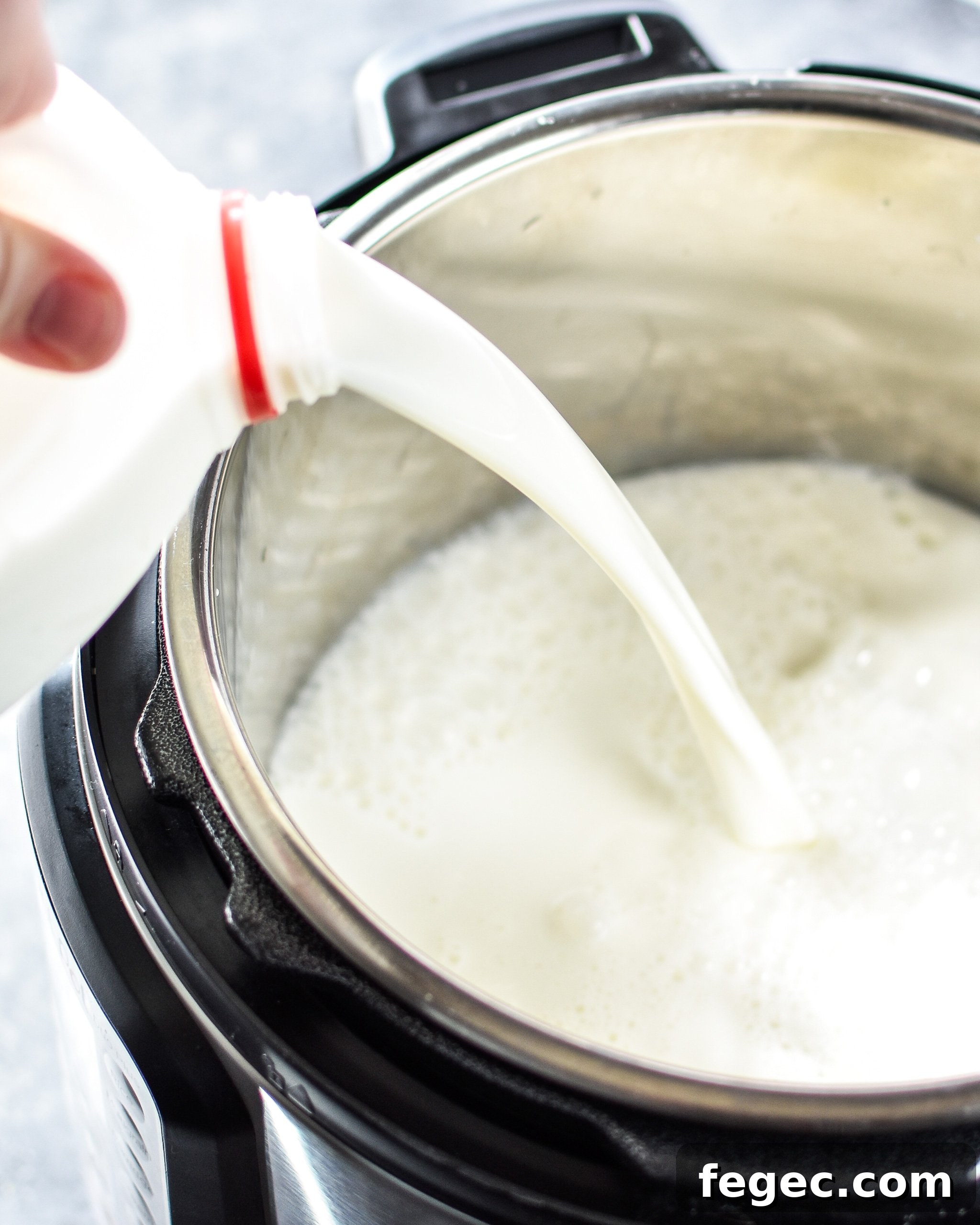
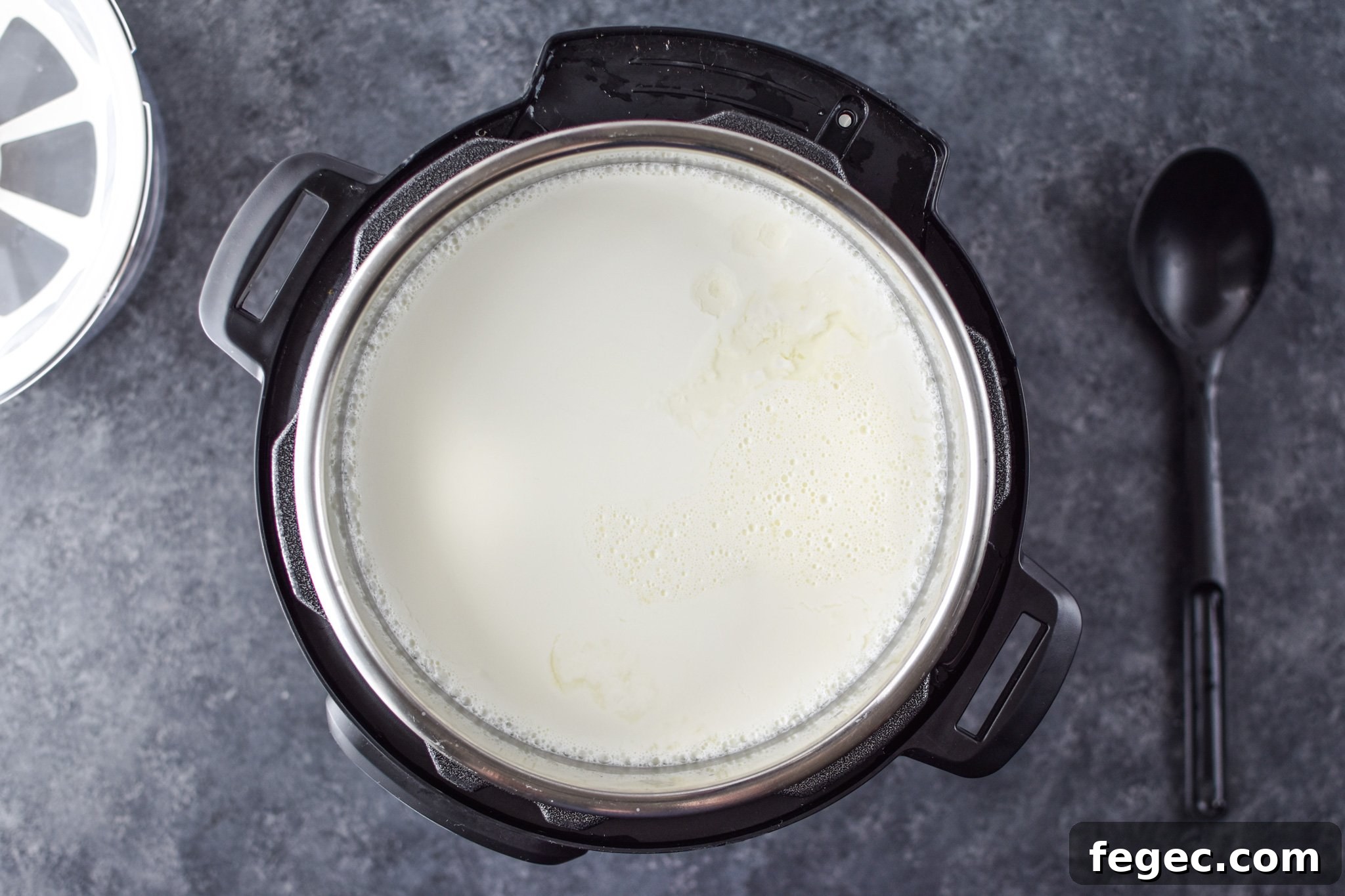
- Heat milk to around 180°F to denature proteins and reduce unwanted bacteria.
- Cool milk to about 110°F and add the yogurt starter.
- Incubate for at least 8 hours.
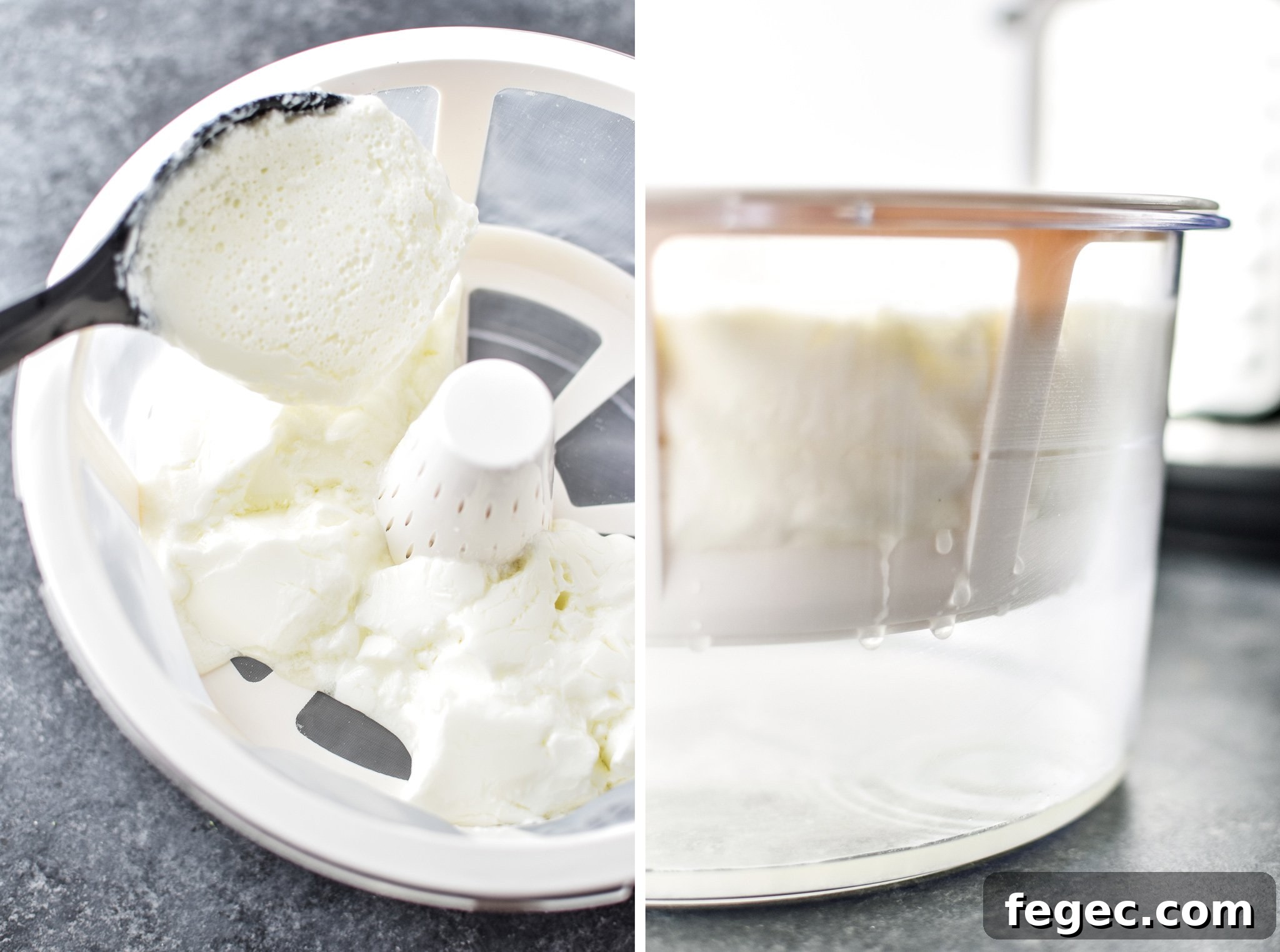
- For Greek yogurt, strain the finished yogurt for 1–24 hours to thicken.
The Instant Pot method is reliable and simple once you get the timing down.
Tips from my experience
- Frozen yogurt starter gave inconsistent results for me—fresh starter has worked best.
- Making a full gallon at once is efficient, though it takes longer to heat than a half-gallon.
- If the Instant Pot’s boil function doesn’t reach 180°F with a gallon, use the slow cook LOW setting to finish without scorching.
- A dedicated Greek yogurt strainer (or a fine mesh setup) saves time and eliminates the need to replace cheesecloth frequently.
Time required to make Greek yogurt
It’s useful to include time when comparing convenience vs. cost.
Here’s the time breakdown I typically experience when making one gallon:
1. Heat milk
Active: ~30 minutes
Total: 1.5–2 hours
2. Cool milk and add starter
Active: ~20 minutes
Total: ~20 minutes
3. Incubate
Active: ~1 minute to set timer
Total: 8–12 hours (we usually do about 8.5 hours)
4. Strain to thicken
Active: ~10 minutes to transfer to the strainer
Total: up to 12 hours depending on thickness; I typically strain at least 6 hours and sometimes overnight. Because I strain half the batch at a time, this step happens twice for a full gallon.
5. Clean-up
Active: ~20 minutes total
Approximate totals for a gallon:
Active time: about 1 hour 21 minutes
Total elapsed time: about 23 hours 10 minutes
By contrast, buying yogurt takes under a minute.
How much Greek yogurt does a gallon of milk yield?
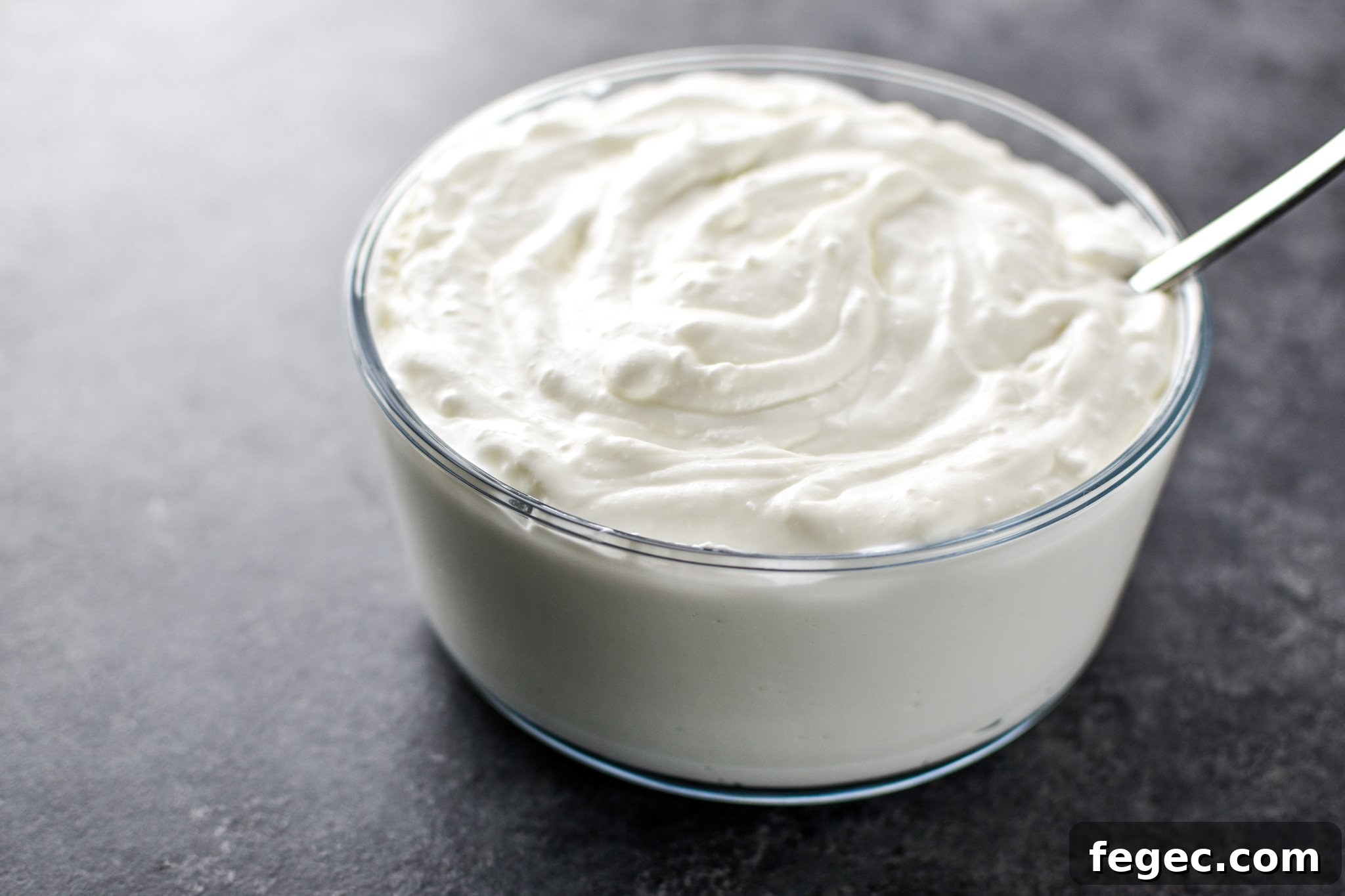
Yields depend on how long you strain. I start with a gallon (128 fl oz) of whole milk. After making and straining my most recent batch, my measured results were:
Yogurt: 72.6 ounces
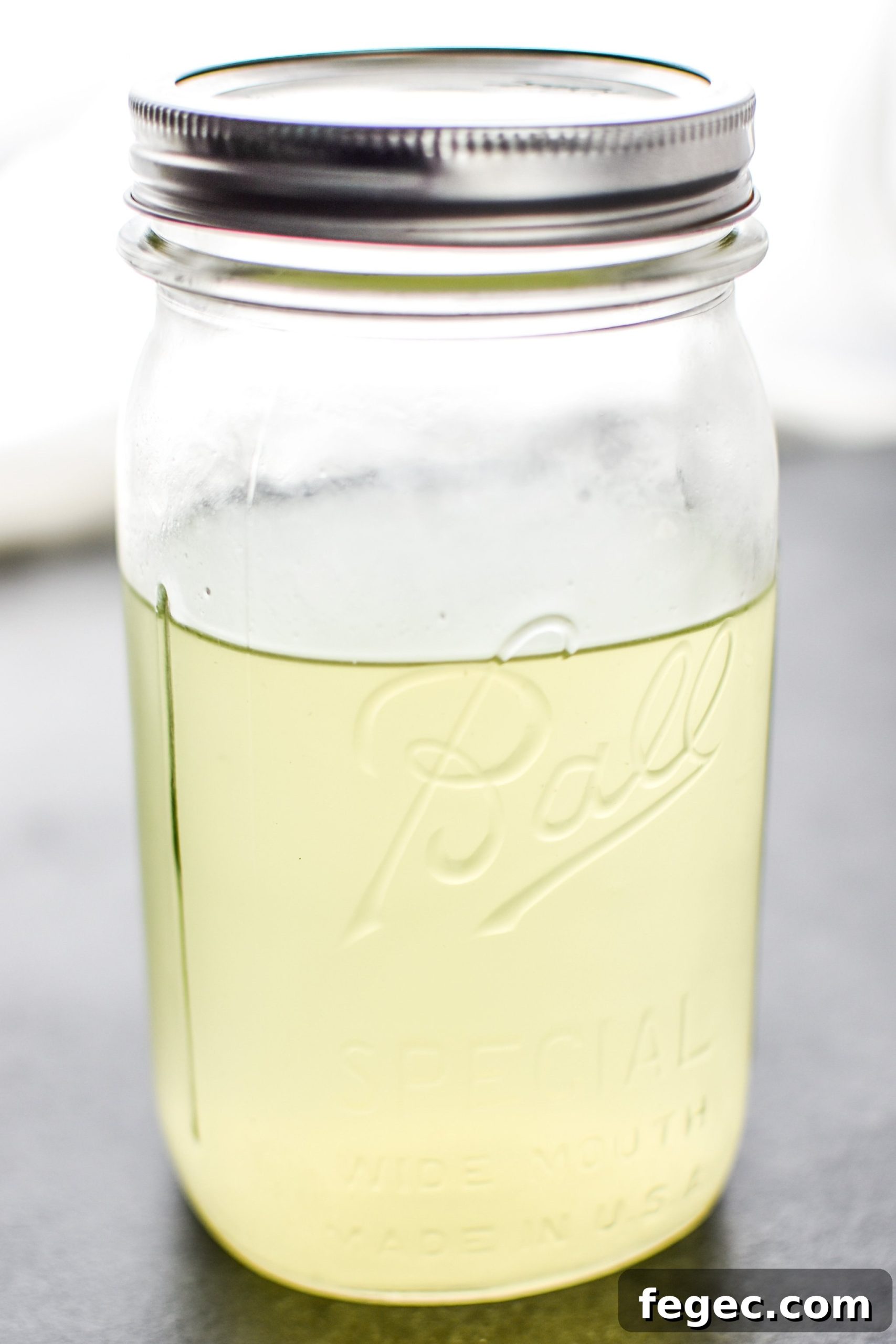
Whey removed: 34.7 ounces
Total measured: 107.3 ounces
So one gallon of milk produced about 72.6 ounces (roughly nine cups) of Greek yogurt for me. About 20–21 ounces were lost during the process, likely due to evaporation, minor transfer losses, and normal variation.
Cost of store-bought Greek yogurt
For comparison I used Fage All-Natural Greek Yogurt prices from Seattle (May 2018) without discounts. Prices vary by region and brand, but this gives a baseline:
7 oz container: $1.69 — 24.1¢ per ounce
17.6 oz container: $4.29 — 24.4¢ per ounce
35.3 oz container: $6.99 — 19.8¢ per ounce
Buying larger containers is more economical if you’ll use it before it spoils.
Cost of homemade Greek yogurt
My primary recurring expense is the milk. I used Lucerne whole milk at $3.29 per gallon for this calculation. I exclude the Instant Pot purchase and electricity as negligible. I include a reasonable per-batch cost for a strainer that I expect to last multiple batches, and I also account for active time separately.
Cost breakdown per gallon (my assumptions):
Milk: $3.29 per gallon = 2.6¢ per ounce of milk.
One gallon yields 72.6 oz Greek yogurt, so milk cost = $3.29 / 72.6 oz = 4.5¢ per ounce.
Yogurt strainer (Euro Cuisine): $25.00 assumed lifespan = 50 batches → $0.50 per batch. $0.50 / 72.6 oz = ~0.69¢ per ounce.
Combined monetary cost: 4.5¢ + 0.69¢ = 5.19¢ per ounce for homemade Greek yogurt.
Active time: 1 hour 21 minutes (81 minutes) / 72.6 oz = ~1.11 minutes of active time per ounce.
Store Bought vs. Homemade Greek Yogurt: Which is Cheaper?
Using the 35.3 oz Fage container as a store benchmark: 19.8¢ per ounce.
Making Greek yogurt at home (my method): 5.19¢ per ounce monetary cost, plus about 1.11 minutes of active time per ounce.
That’s roughly 14.61¢ savings per ounce when making it at home. In tangible terms, a 35.3 oz container from the store costs $6.99; producing the same amount at home costs around $1.83 in milk and strainer share. Homemade is dramatically cheaper in direct monetary terms.
Additional notes about homemade yogurt
- The leftover whey is useful — I use it in recipes like whey bread and other baking projects.
- Homemade yogurt has kept well in our fridge for up to 10 days without spoiling.
- I usually start the process around 9 pm and finish by 10:30 pm, with incubation completing around 7 am, then I chill and strain. It fits easily into a regular schedule.
- For detailed Instant Pot yogurt recipes, follow established guides and tested recipes from experienced bloggers; the basic method I used follows standard Instant Pot yogurt techniques.
Hope this price comparison helps if you’re debating whether to start making your own Greek yogurt. It’s affordable, versatile, and once you learn the steps, not difficult to make. If you try it, I’d love to hear how it goes!
