
Many parents who warned that video games were a waste of time might be surprised: Epic Games, the studio behind Fortnite, reportedly earned around $3 billion in profit from the game this year.

Even more remarkable, Fortnite: Battle Royale — the free-to-play mode that millions of children and teens spend hours on — does not require any purchase to play. So how does Epic generate such huge revenue?
The answer lies in cosmetic items and optional extras. Players spend real money on character skins, costumes, emotes, dances and other visual customizations that do not affect gameplay. These purchases let players personalize their avatars and express themselves, but they provide no competitive advantage.

In short, children often ask parents for money to buy cosmetic items — flashy outfits or silly dances — purely for aesthetic enjoyment. Those microtransactions are highly lucrative because they appeal to players’ desire to stand out, fit in with peers, or simply collect limited-time items.

Putting it plainly: a large portion of Fortnite’s profit comes from selling virtual clothing and emotes. For many parents, that can feel surreal — virtual outfits costing real money — but to kids who enjoy customizing their characters, it’s part of the fun. As one parent observed, if their child changes outfits several times a day in real life, why wouldn’t their in-game avatar do the same?
On the bright side, at least someone else is handling the virtual wardrobe — no extra laundry for parents.
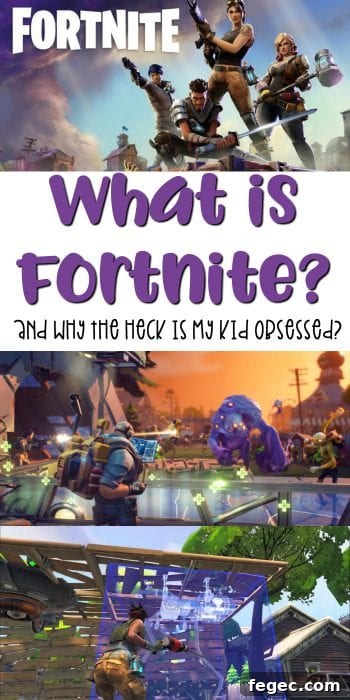
If you want to better understand what Fortnite offers and why it captures so much attention from young players, look for reliable guides that explain the game’s mechanics, social aspects, and the role of in-game purchases in a free-to-play model.