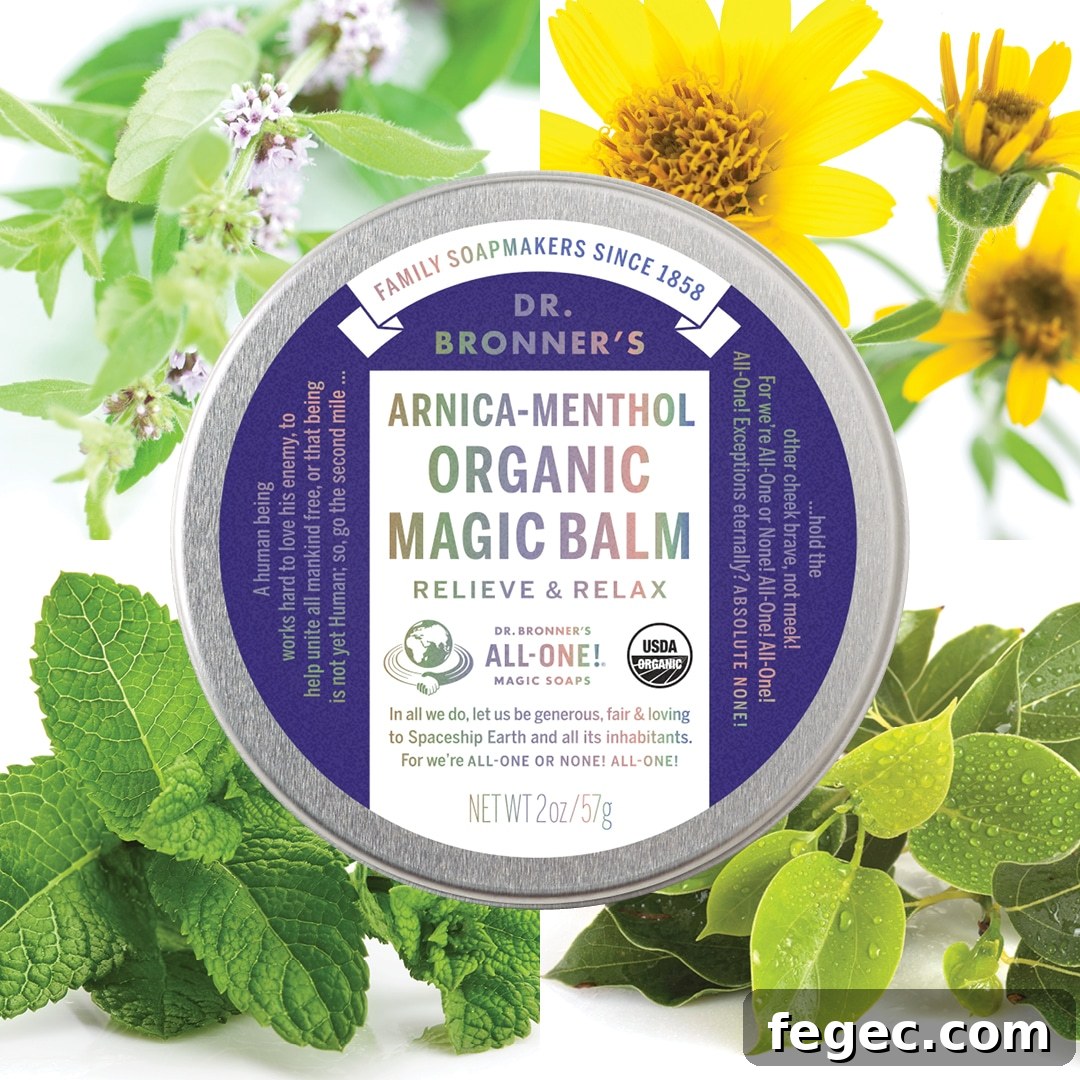
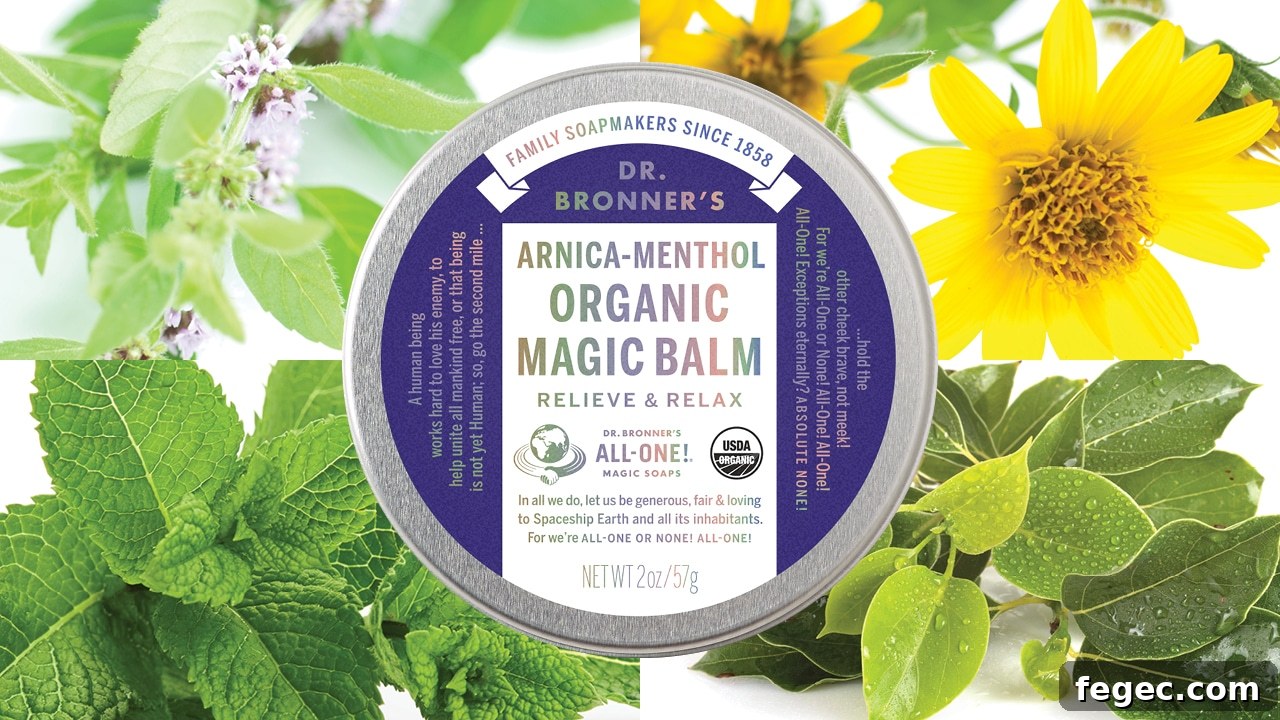
The origin story
One day an unmarked aluminum tub labeled simply “#2” appeared on my desk. No note. No instructions. When I opened it, the potent blend of camphor, menthol, peppermint and another subtle scent nearly knocked me out of my chair. It smelled like a strong vapor rub—invigorating, clearing, unmistakable. I had just discovered Dr. Bronner’s Arnica-Menthol Organic Magic Balm.
With no explanation attached, I assumed it had been left there by someone I trusted and, cautiously, I tried it. Because it smelled like a decongestant, I first used it the way I would a vapor rub. Later I learned the balm had been mixed by my brother David as a post-surf muscle rub. He realized it was something special and proposed it as a new product. That accidental introduction has since become a favorite for many household uses.
Below I break down the ingredients and explain what each contributes. The formulation combines a deeply moisturizing oil-and-wax base with concentrated botanical actives that provide cooling, circulation and soothing sensations.
The balm sits on the Unscented Organic Magic Balm base: organic avocado, coconut, olive and jojoba oils, hemp seed oil, and organic beeswax. This blend offers rich, long-lasting moisturization and nourishment without synthetic, petrochemical, or artificial additives. The base creates a smooth, emollient layer that helps the active ingredients penetrate and stay in place.
Added to that base are menthol crystals, two types of peppermint oil, camphor oil, and arnica-infused oil. Each of these botanicals brings a specific benefit. In small, controlled amounts they are powerful and effective while remaining well below safety thresholds. The result is a concentrated but balanced formulation that provides perceptible relief and comfort for a variety of uses.
- Why arnica – Arnica is an alpine plant whose flowers are traditionally infused into oil. Topical arnica has a long history of use for promoting local circulation, which can help with bruising and muscle soreness. It is commonly used in folk and botanical medicine to support recovery after minor injuries or intense physical activity.

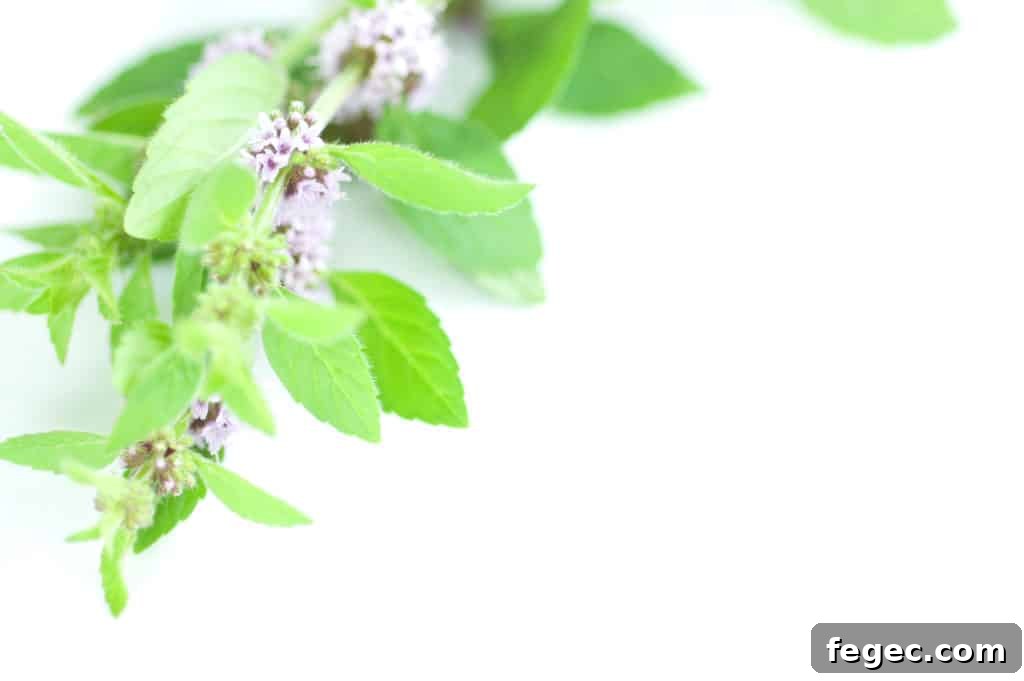
- Why menthol crystals – Menthol is extracted from mentha arvensis and concentrates the cooling component of mint. Menthol activates cold receptors in the skin, producing a cooling sensation without changing skin temperature. This may relieve overheated or irritated skin and provide soothing relief for headaches or insect bites. Clinical studies have shown topical menthol can reduce certain types of muscle and nerve pain, and it is a traditional component in topical decongestants.
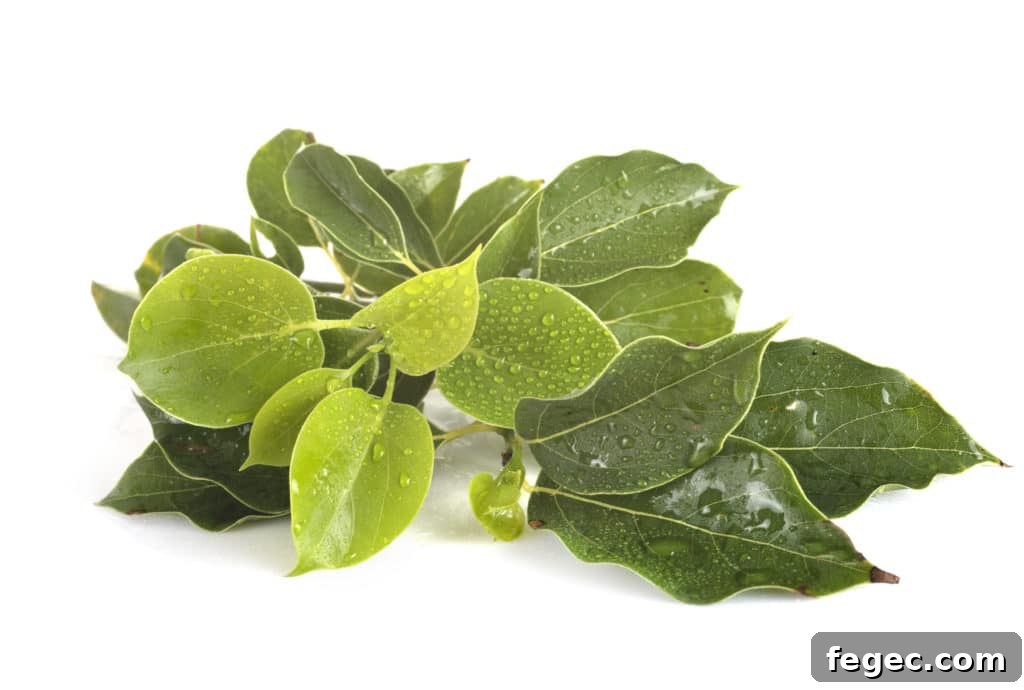
- Why camphor – Camphor oil, distilled from the bark and wood of the camphor tree, also produces a cooling sensation. Combined with menthol, camphor functions as a counter-irritant: it creates a mild, cooling or warming distraction that can temporarily reduce the perception of pain. This combined sensation can be especially effective for sore muscles and tight areas.
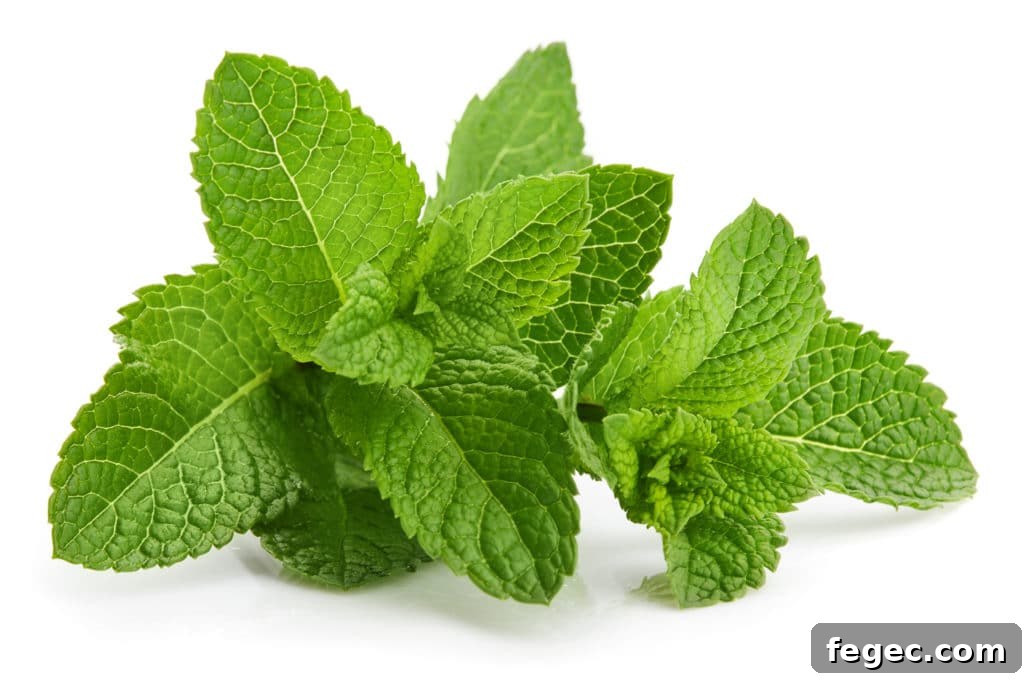
- Why peppermint oil – This balm contains two varieties of peppermint oil: Mentha piperita and Mentha arvensis. Both are steam-distilled from different mint leaves and contribute cooling, aromatic clarity and a refreshing sensation. Topically, peppermint oil is used to help relieve tension, clear nasal passages and promote alertness and comfort.
People use this balm in many creative ways. Here are four common uses, each supported by the product’s sensory and topical effects:
- Decongestant: Rub a small amount on the chest before bed (under clothing to protect sheets) to breathe more easily through the night. The scent dissipates by morning. Some people apply a thicker layer to the feet and wear socks overnight; anecdotal reports say this helps open airways.
- Muscle rub: The original intention: apply to sore or stiff muscles. The combined cooling and counter-irritant effects can help relax tight areas and reduce discomfort after activity.
- Massage balm: Use the balm during a massage instead of oil. The emollient base helps hands glide while the menthol, camphor and peppermint add an invigorating sensory effect that enhances relaxation.
- Achy feet relief: Massage into tired feet at the end of a long day. The balm softens rough skin and delivers a refreshing, restorative sensation to sore feet.
Other reported uses include applying a small amount to the temples for headache relief (avoid the eye area) and soothing insect bites. Some users say the balm helps with bruising and arthritic discomfort; while such accounts are anecdotal, they speak to the balm’s broad, practical appeal. Because the formula contains potent active botanicals, avoid open wounds and mucous membranes, and wash hands after applying to prevent accidental eye contact.
The “Magic” name echoes Dr. Bronner’s long legacy of products called “Magic Soaps.” The label is both a nod to that history and a reflection of the balm’s versatile usefulness. If you’ve tried it, your experiences and tips are welcome to share—these balms often find new uses through word of mouth.
*David Bronner, my brother, is the company’s Cosmic Engagement Officer (CEO) and the original creator of this formulation.
Further reading
- Magic Balms Usage Cheat Sheet
- Lip Balm – Not Just for the Lips
- A Little Balm Here and There
This and many other uses are discussed in my book, Soap & Soul: A Practical Guide to Minding Your Home, Your Body, and Your Spirit with Dr. Bronner’s Magic Soaps, available in hardback, eBook, and audiobook formats. My hope is that the balm becomes a useful part of your home care kit—simple, natural, and effective for everyday needs.