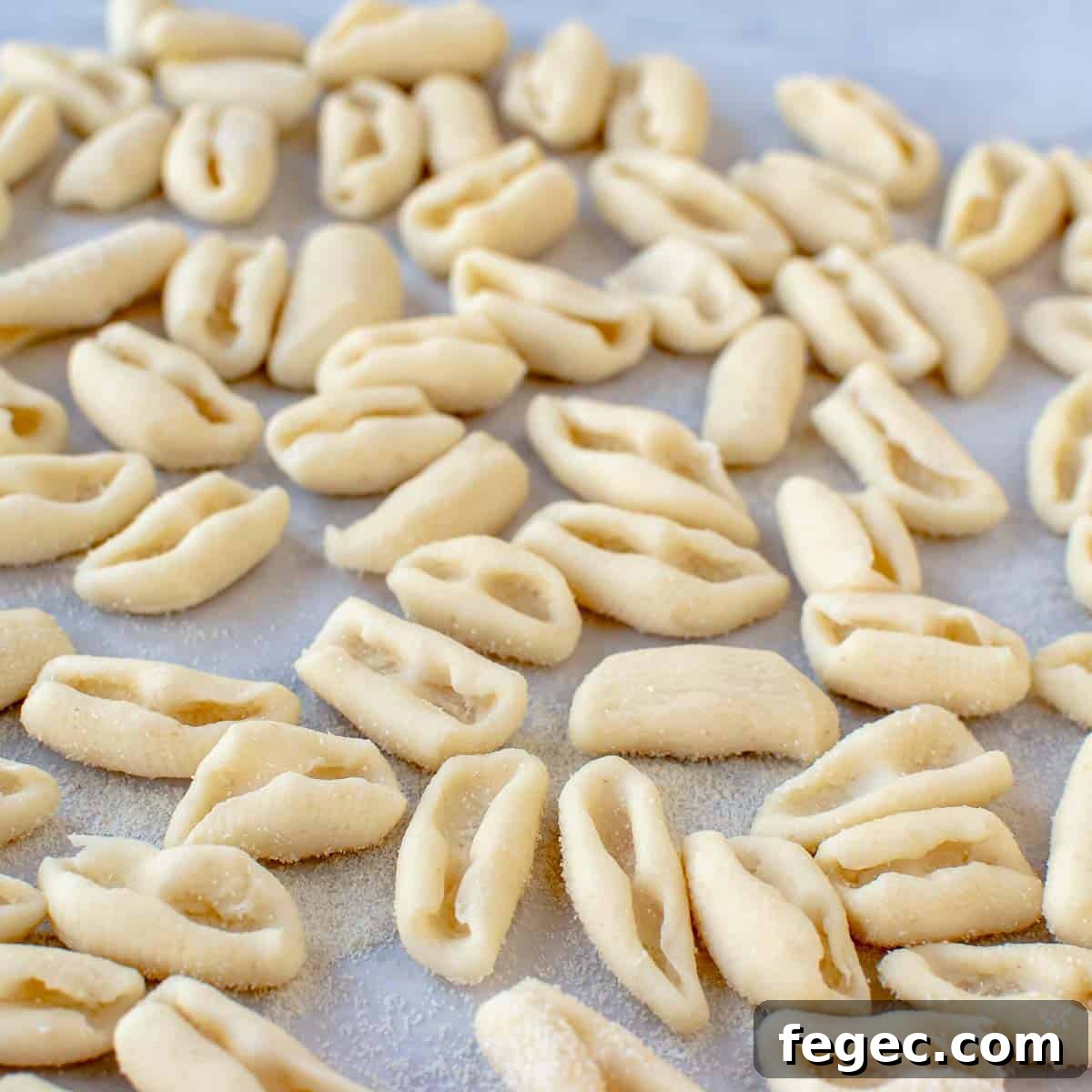
Cavatelli Pasta is one of the simplest and most adaptable homemade pastas you can make. This traditional eggless recipe uses only two main ingredients and can be prepared in about an hour without any special equipment—no pasta machine required, just basic kitchen tools and your hands.
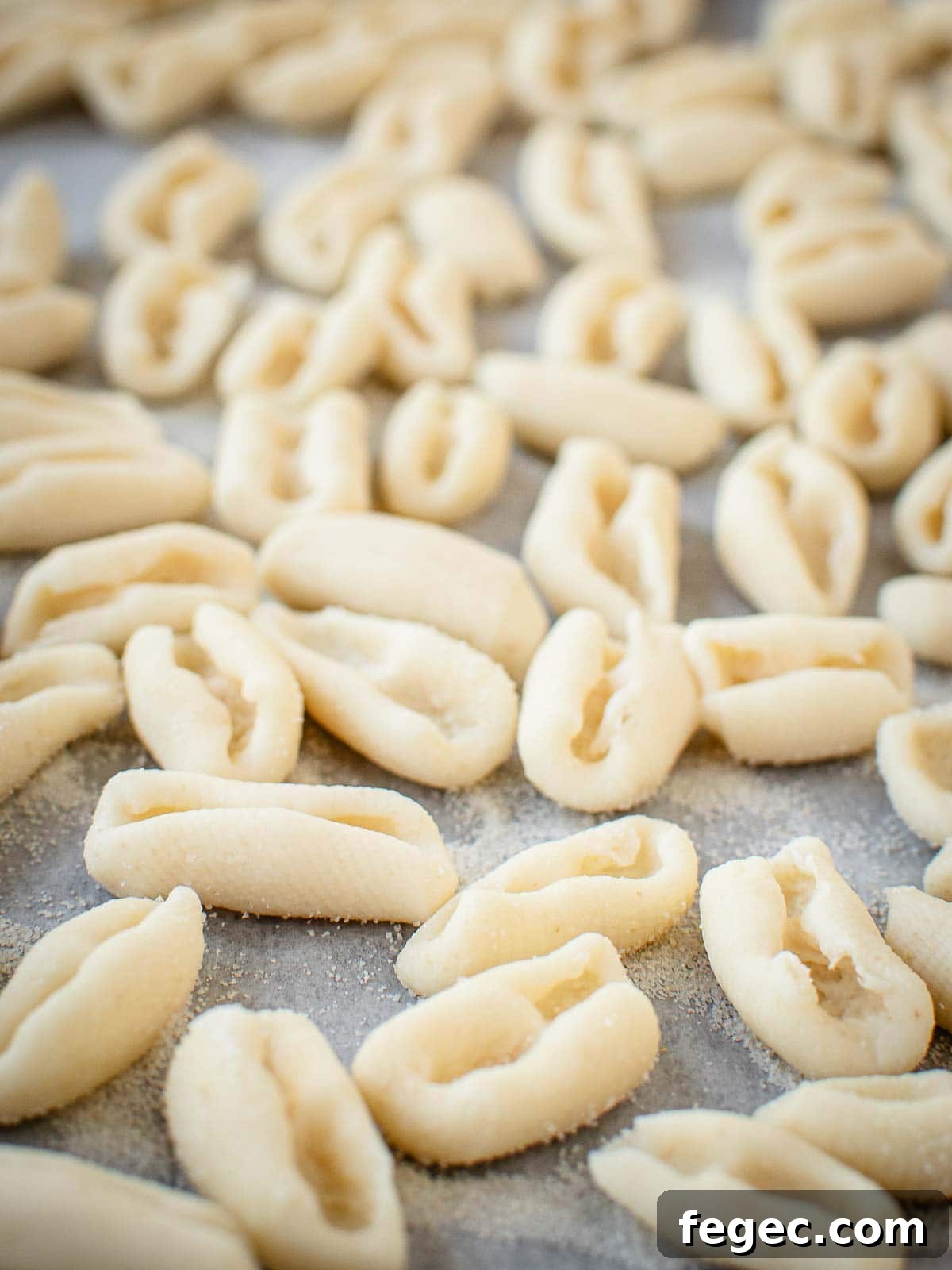
Homemade cavatelli pasta is typical of southern Italy, especially the regions of Molise and Puglia, though it is enjoyed throughout Calabria, Campania, Sicily, Abruzzo, and Basilicata. Cavatelli are short, hand-shaped pieces with a small hollow that holds sauce beautifully. Making them is a tactile, rewarding process that often becomes a family activity—mixing, kneading, rolling and shaping while sharing stories and laughter.
Table of Contents
- Why you’ll love this recipe
- Ingredients
- How to make cavatelli by hand
- Substitutions
- Storage
- Top tips
- FAQ
- Serving suggestions
- Related recipes
- Cavatelli recipe (card)
Why you’ll love this recipe
- Simple: Perfect for first-time pasta makers. The dough is forgiving and easy to work with.
- No special equipment: You don’t need a pasta machine—just a clean countertop, a knife, and your hands.
- Versatile: Cavatelli pairs well with hearty sauces such as sausage and broccoli rabe, ragù, tomato sauces, or pesto. Its hollow shape captures and holds sauce, so every bite is flavorful.
Ingredients
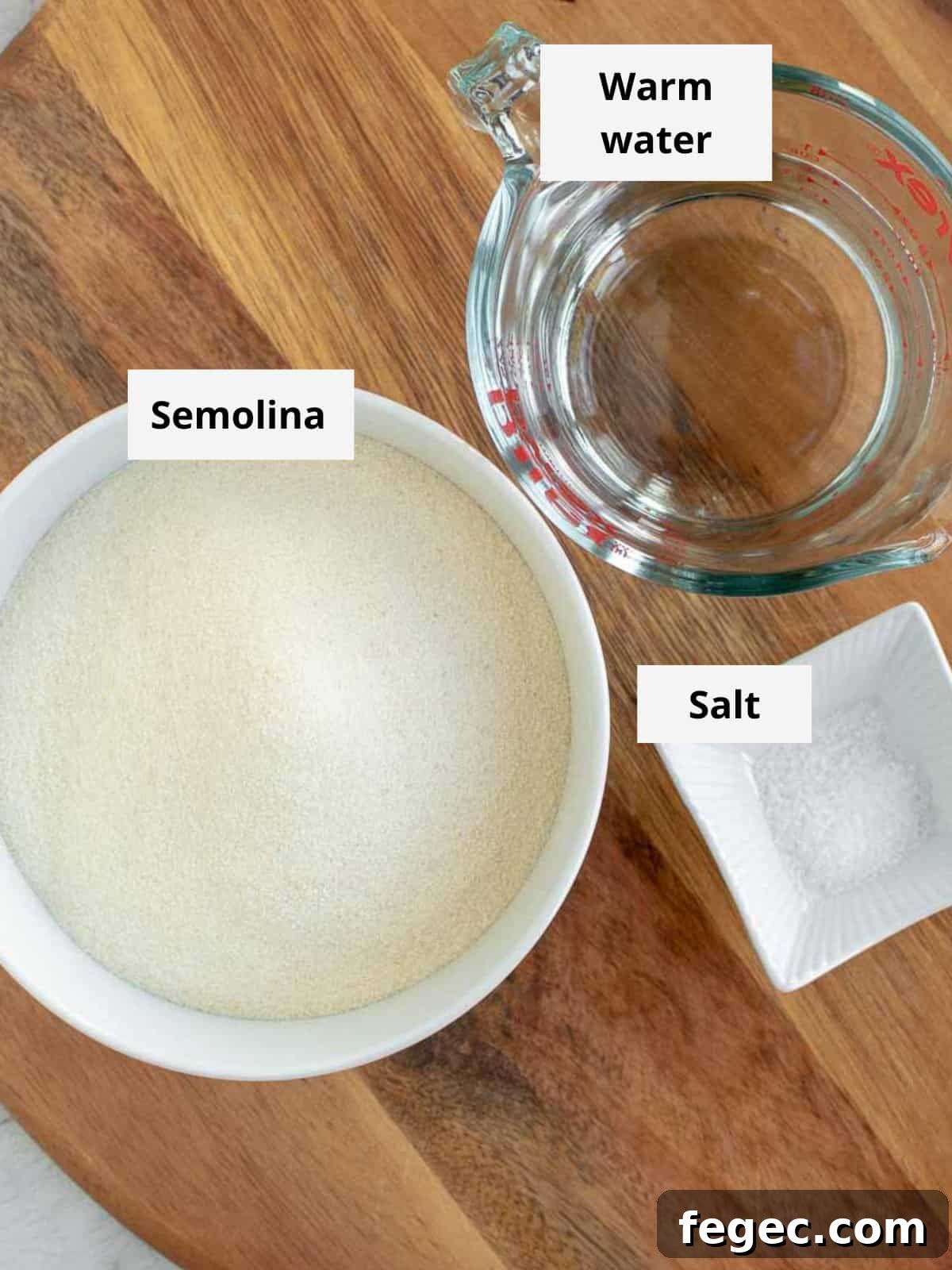
This classic eggless cavatelli uses just semolina flour and warm water, plus a pinch of salt. The semolina should be the fine “semola rimacinata” (finely ground durum wheat) rather than the coarse polenta-type semolina. Fine semolina gives the dough the ideal texture and bite.
How to make cavatelli by hand
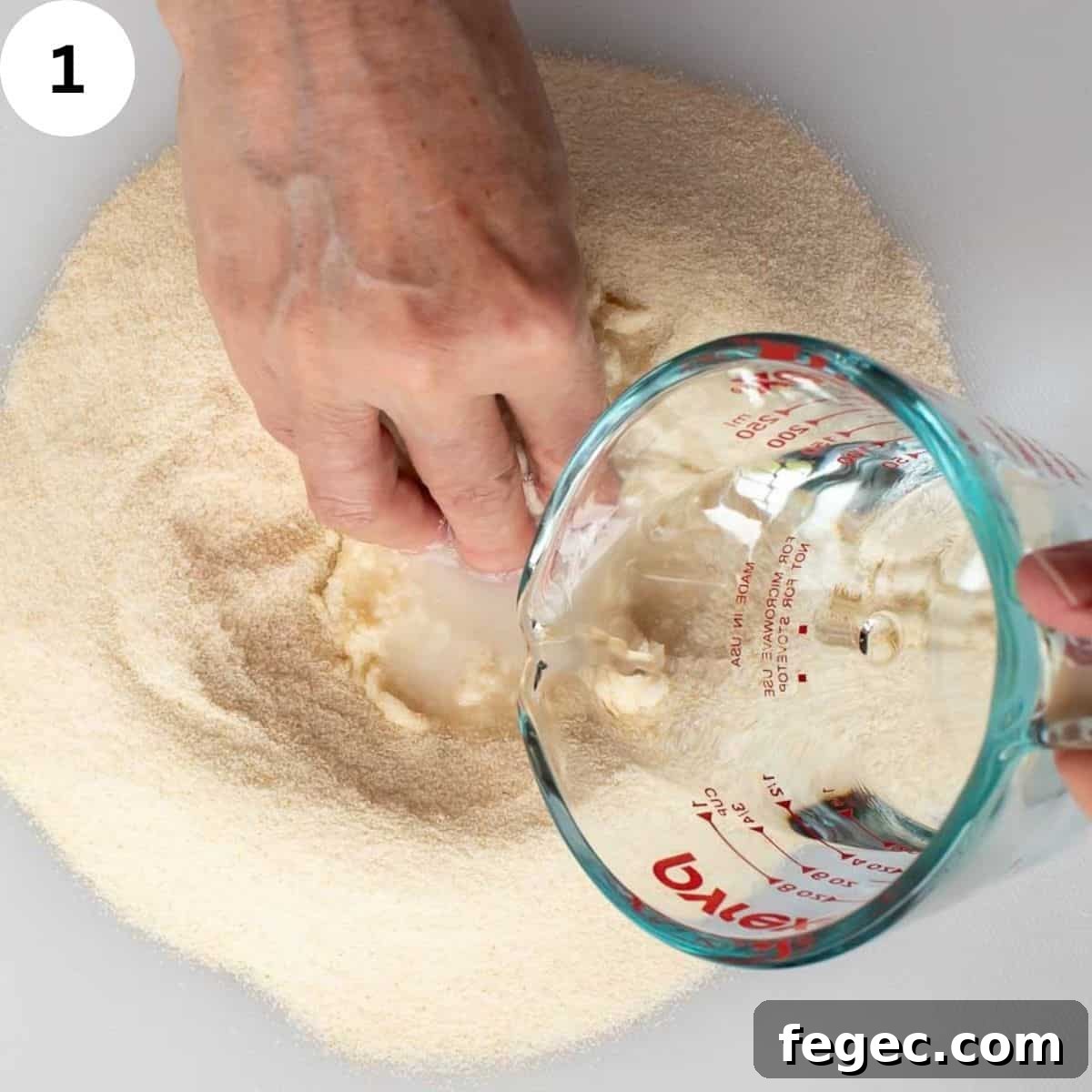
Make a well in the flour on your work surface, add salt, and gradually pour in warm water.
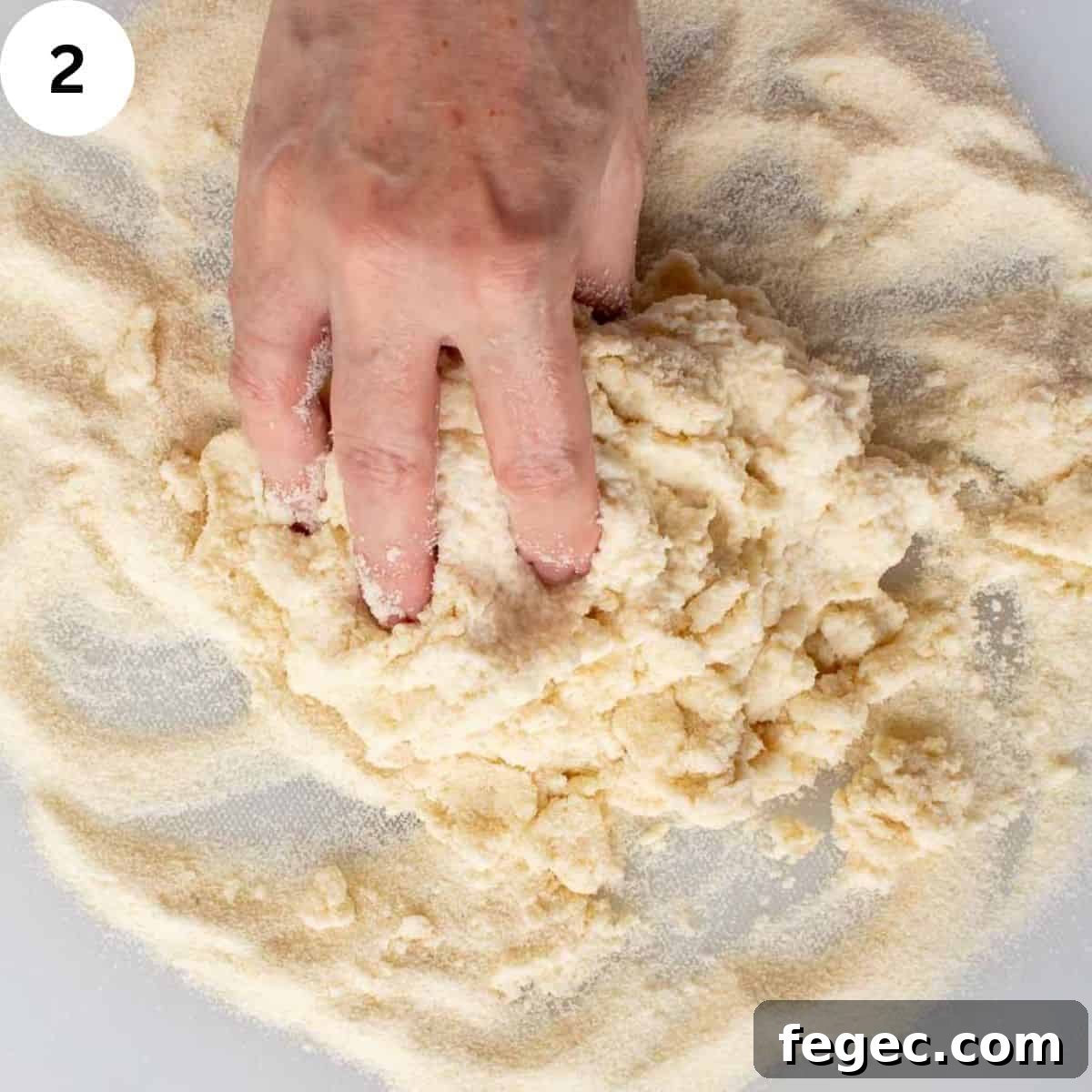
Gently combine water and semolina with your fingers, pulling flour from the edges into the well until a soft dough forms. Add water or flour as needed so the dough has the consistency of playdough.
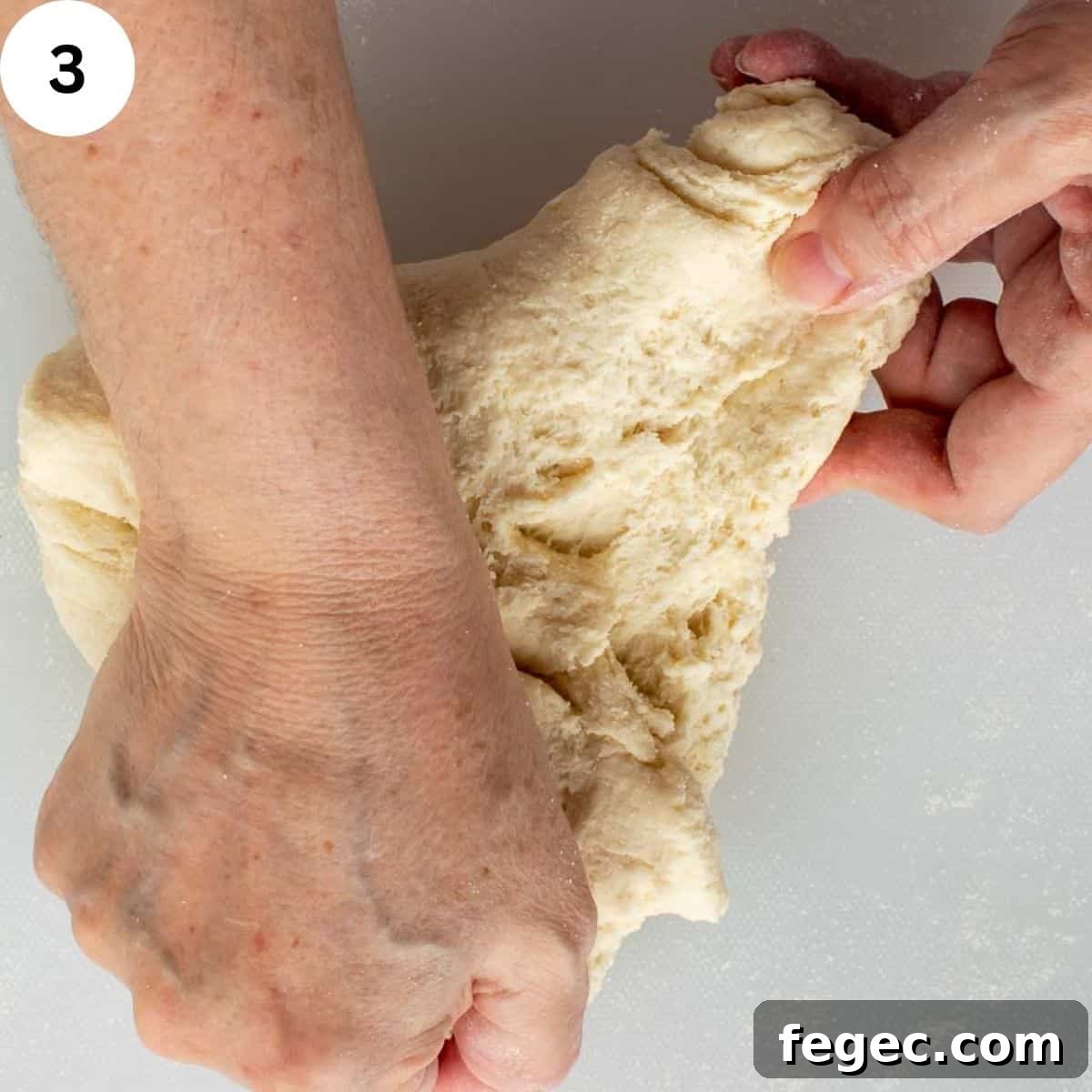
Knead the dough for 5–10 minutes until smooth and elastic, then form it into a ball and let it rest—covered—for 30 minutes. Resting relaxes the gluten and makes shaping much easier.
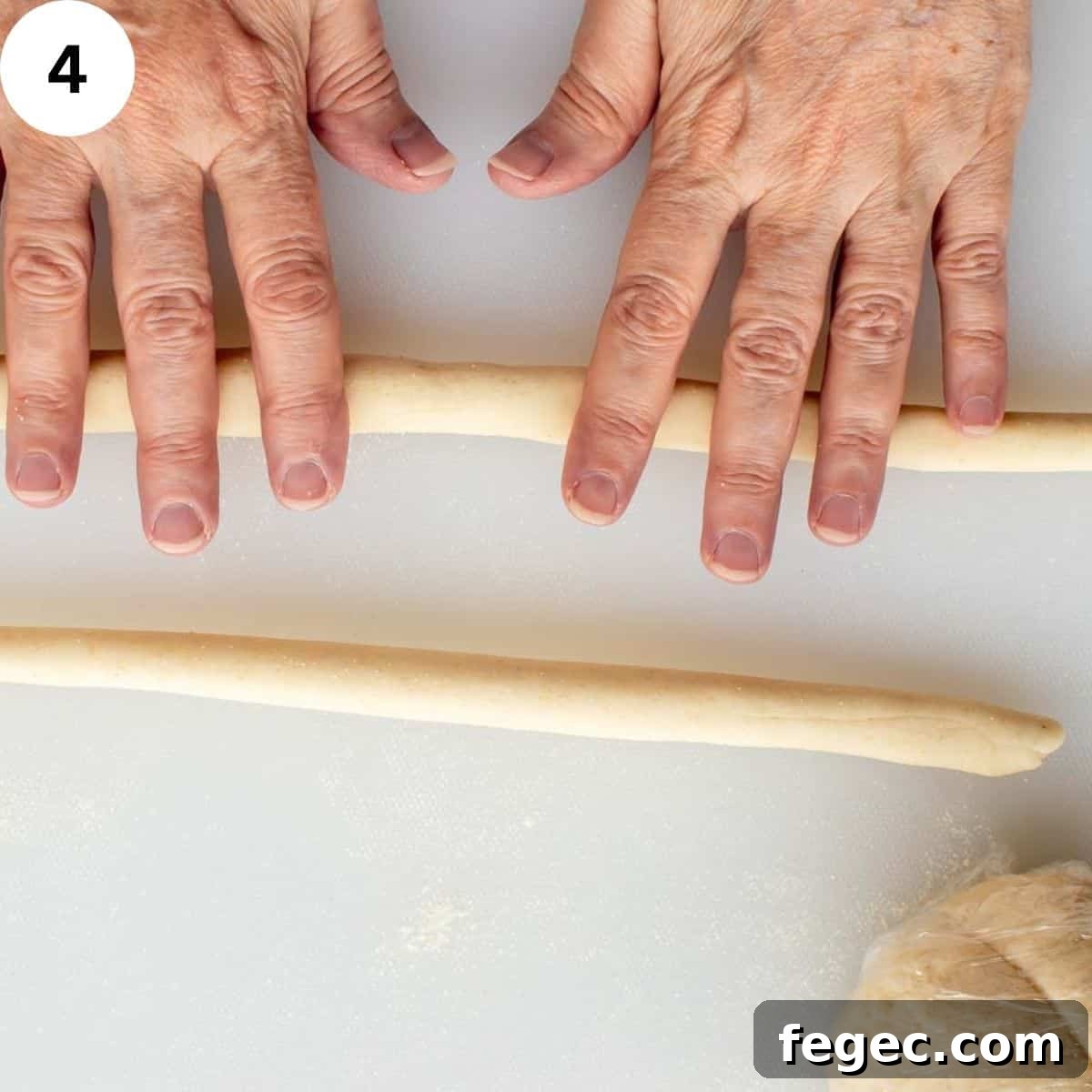
Cut off a portion of dough and roll it into a long rope roughly 1 cm (about ½ inch) in diameter. If necessary, cut the rope and roll smaller sections to reach the proper thinness.
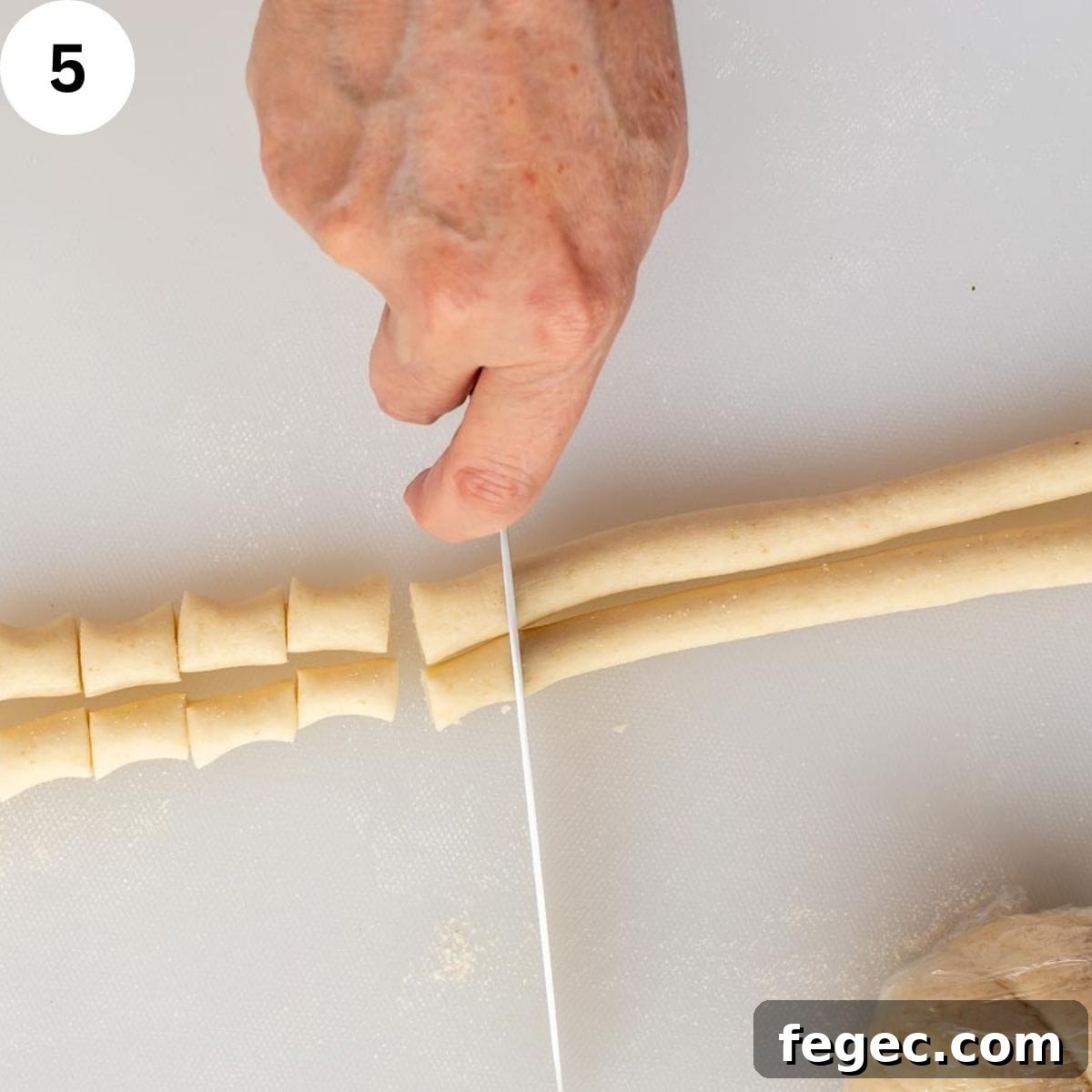
Cut the rope into pieces about 2–2.5 cm (¾–1 inch) long.
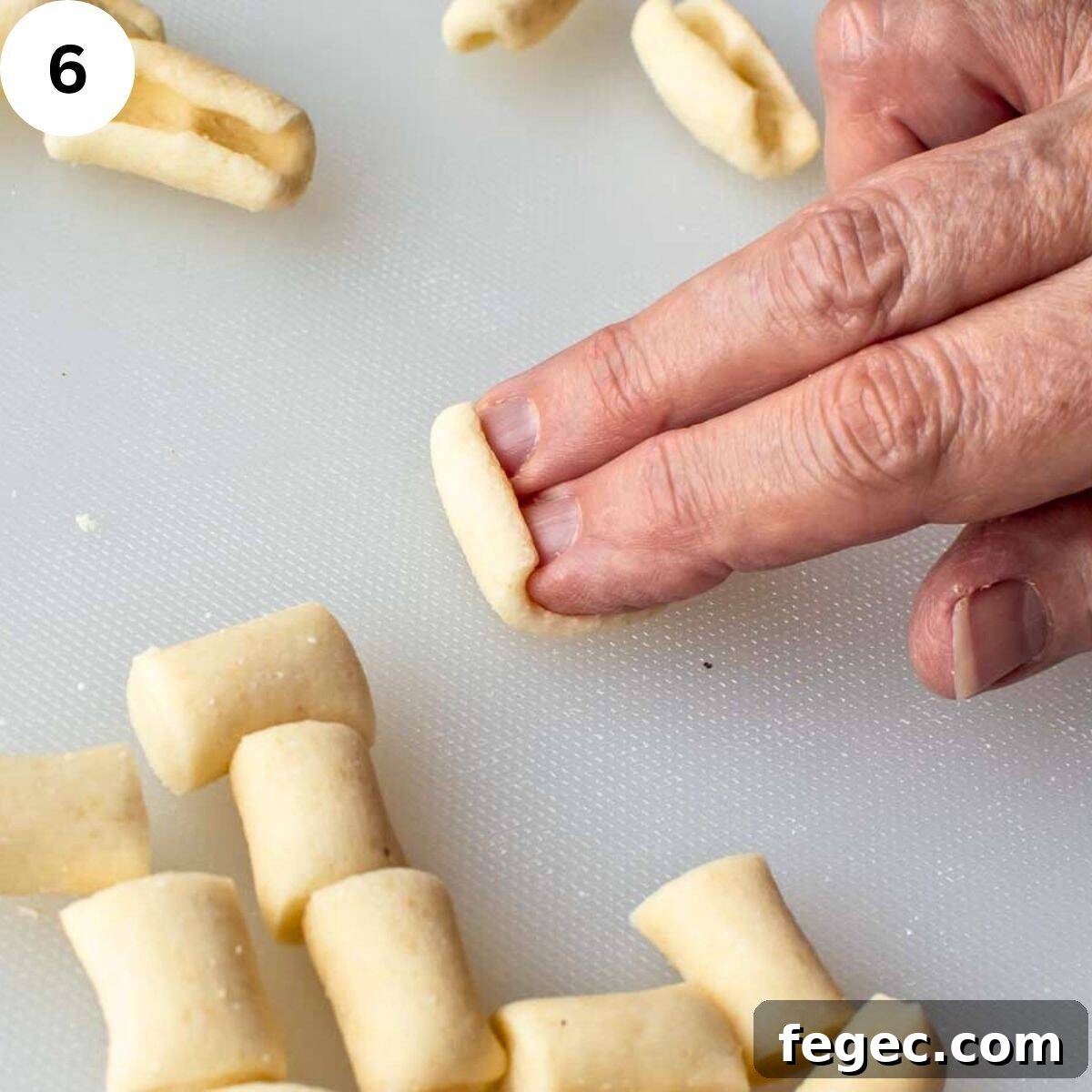
Using your index and middle fingers, press on each piece and drag it toward you to create a curl and a hollow. This motion thins the center and produces the signature indentation that holds sauce.
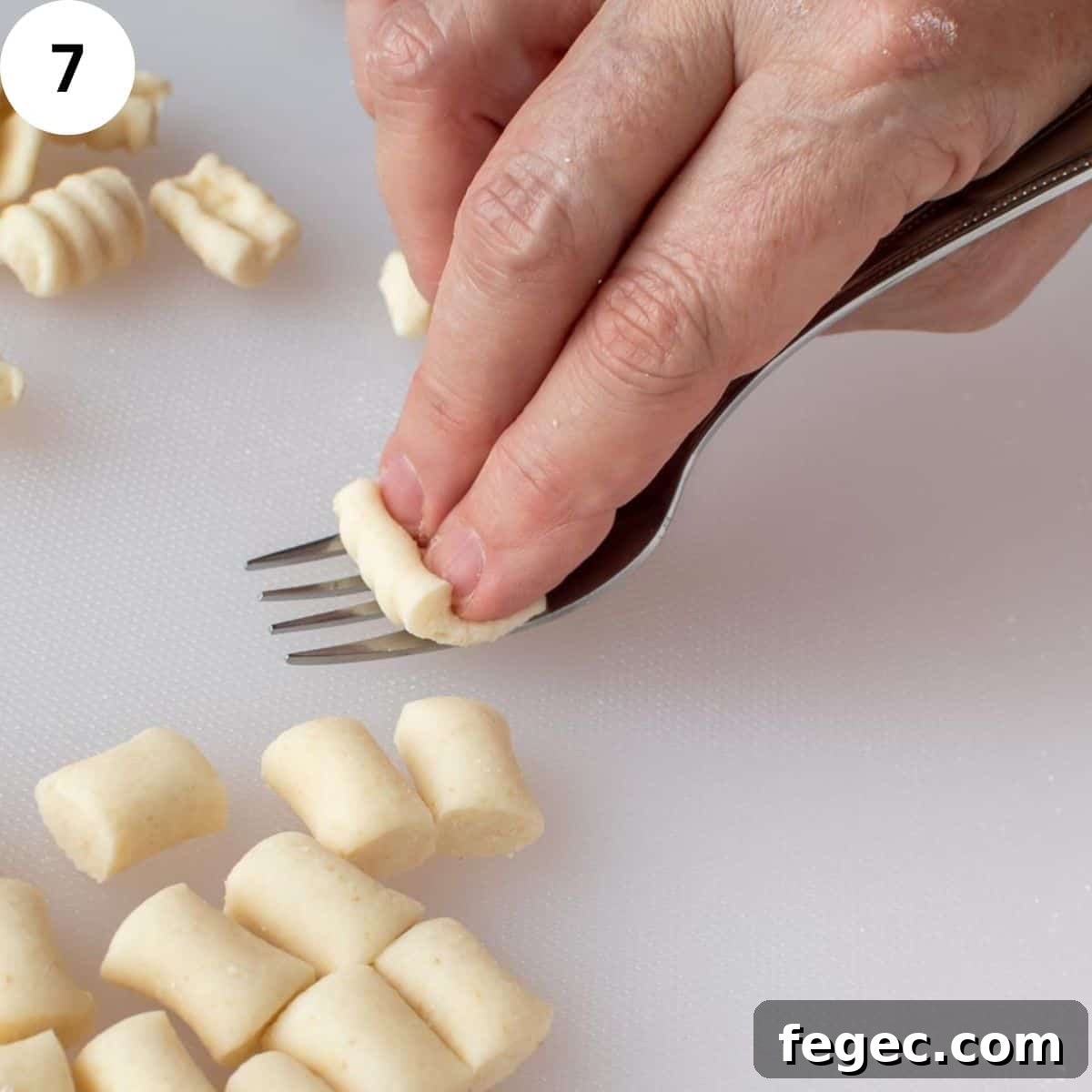
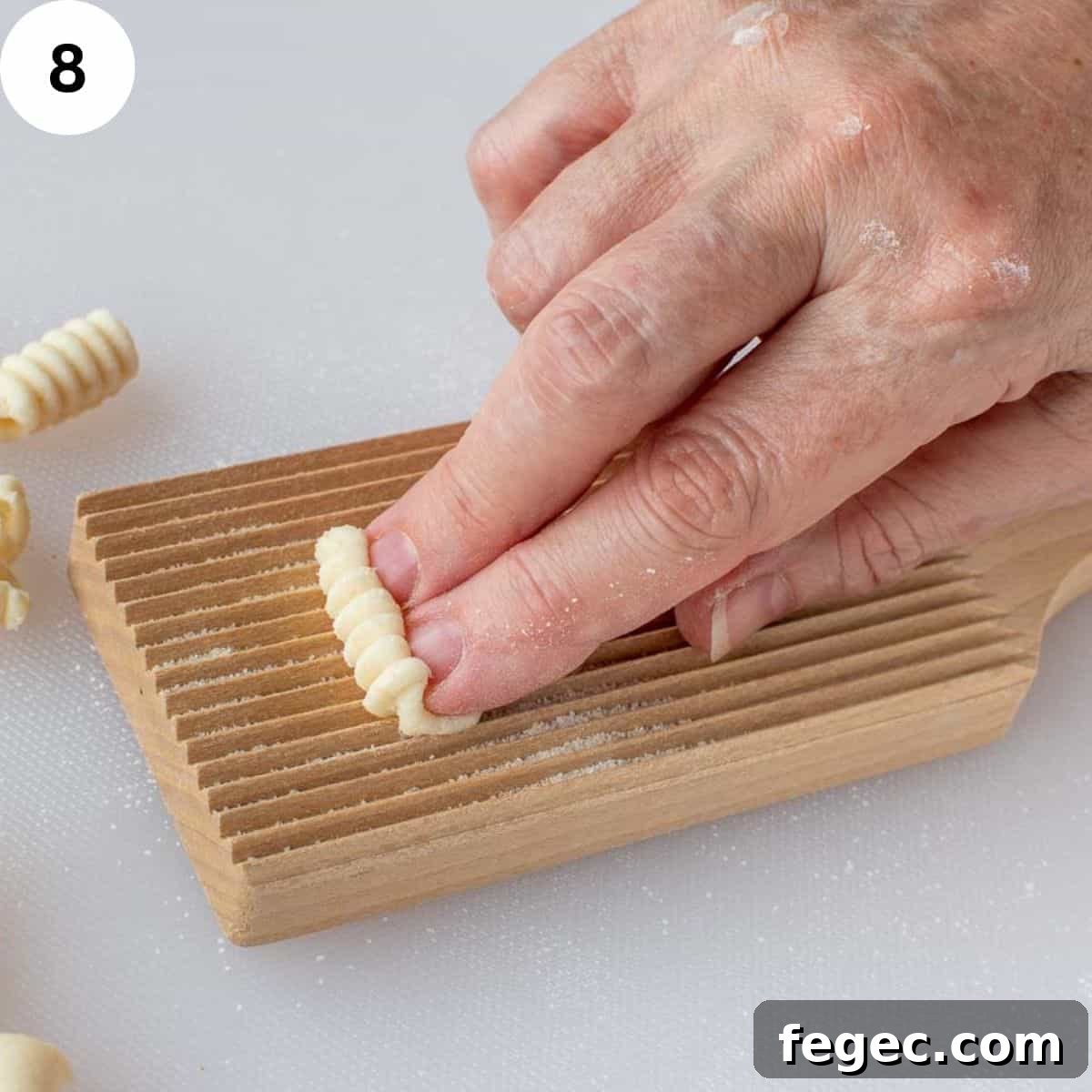
Alternatively, roll pieces against the tines of a fork to shape them, or use a cavatelli or gnocchi board if you have one.
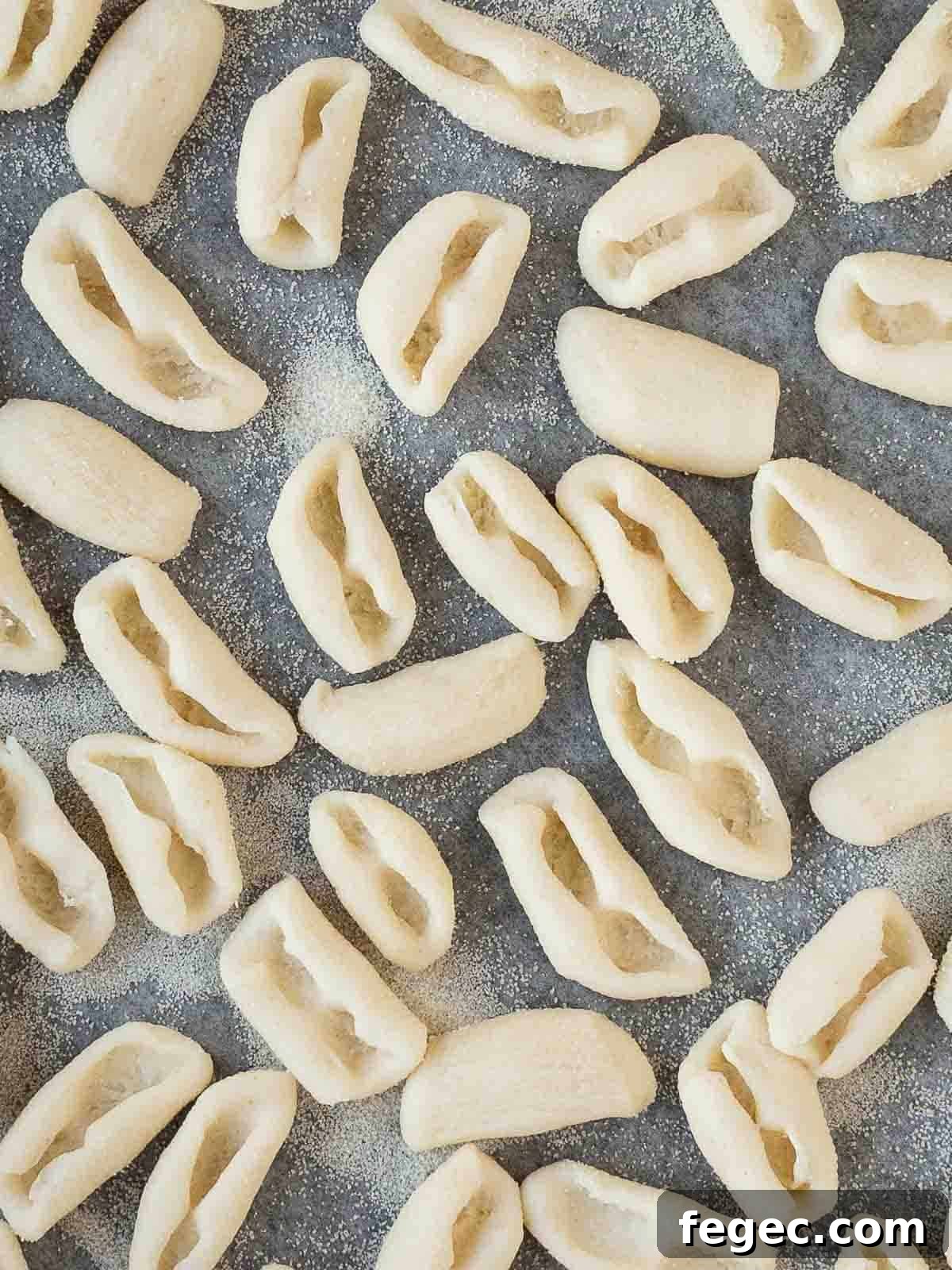
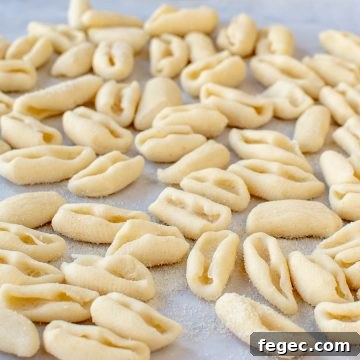
Place shaped cavatelli in a single layer on a parchment-lined tray dusted with semolina so they don’t stick.
Once shaped, cavatelli are best cooked immediately, but you can refrigerate them for 3–4 days or freeze them on a tray until solid, then transfer into a bag for up to six months. Cook frozen cavatelli directly from the freezer, adding 1–2 minutes to the cooking time.
Substitutions
- Semolina flour: You can substitute or combine semolina with all-purpose flour, 00 flour, or bread flour. A mix of semolina and another fine wheat flour often yields a pleasant texture and easier handling.
Storage
To store fresh cavatelli short-term, spread them on a parchment-lined tray in a single layer, cover with a kitchen towel, and refrigerate for up to 3–4 days. For longer storage, freeze on a tray, then transfer to an airtight bag for up to 6 months. When cooking from frozen, add a minute or two to the usual cook time and test for doneness by tasting.
Top tips
- Roll the dough rope thin—almost pencil-thin. Cavatelli should be noticeably thinner than gnocchi to cook and texture properly.
- Be patient while learning the shaping motion. Pressing firmly while dragging creates the proper curl and hollow.
- If dough shrinks back while rolling, let it rest a few minutes. Resting relaxes the gluten and makes shaping easier.
- Handmade cavatelli will be rustic and uneven; this is part of their charm and gives great texture when cooked with sauce.
- You can scale this recipe up easily, but shaping by hand takes time—allow extra hands or time for larger batches.
FAQ
Cavatelli are short, curled pieces with a small hollow that captures sauce. The texture is firm and slightly chewy since they are made without eggs, typically with semolina and water.
What is cavatelli similar to?
Cavatelli can resemble gnocchi in size but differ in ingredients and texture. Gnocchi are often made with potatoes or ricotta and are soft and pillowy, while cavatelli are denser and chewier. Gnocchetti are a very close cousin—made from the same dough but smaller and slightly different in shape.
What does cavatelli mean?
The name comes from the Italian for “little hollows,” referring to the indentation in each piece that holds sauce. Some regional variations include ricotta in the dough for a softer result.
Serving suggestions
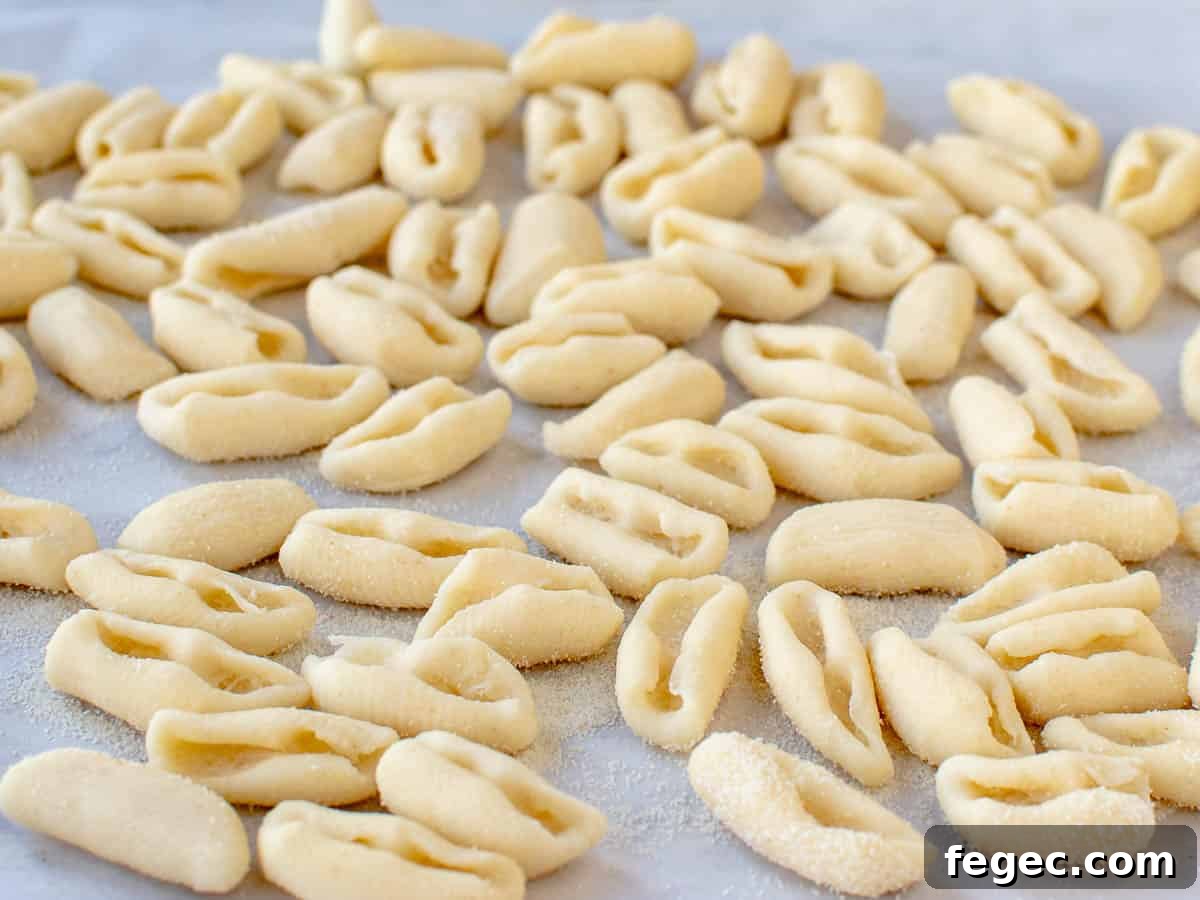
Cavatelli pairs beautifully with robust sauces like ragù, sausage and broccoli rabe, or a simple garlic-butter sauce. Serve with crusty bread to mop up the sauce and a bright salad on the side to balance the meal.
Related recipes
Try these complementary dishes when you want variety: Chicken and Vodka Pasta, Pangrattato (toasted breadcrumbs), or Pesto Trapanese. These make excellent companions to cavatelli or ideas for other meals.
Cavatelli Recipe
This traditional eggless cavatelli uses just two ingredients and takes about an hour to make. Cavatelli are firm to the bite and hold hearty sauces well.
Ingredients
- 2 cups (286 grams) finely ground semolina flour (semola rimacinata)
- ¾ cup warm water, more or less as needed
- ½ teaspoon salt
Instructions
- Place the semolina flour on a work surface or in a bowl. Make a well in the center and sprinkle with salt.
- Add most of the warm water into the well.
- Combine water and flour with your fingers or a fork, pulling in flour until a dough forms. Adjust with a little more water or flour as needed; the dough should be soft and supple.
- Knead for 5–10 minutes until smooth and elastic. Form into a ball.
- Wrap and rest for 30 minutes to allow the dough to relax.
- Cut off about one-quarter of the dough and rewrap the remainder. Roll the portion into a rope about 1 cm (½ inch) in diameter.
- Cut the rope into 2–2.5 cm (¾–1 inch) pieces.
- Press and drag each piece with two fingers to form a curled shape with an indentation. Alternatively, roll pieces against a fork or gnocchi board.
- Arrange shaped cavatelli in a single layer on parchment dusted with semolina.
- Bring a large pot of water to a rolling boil and add a heaped tablespoon of salt.
- Add the cavatelli and cook 8–10 minutes, depending on size; taste after 5 minutes and adjust as needed. Larger pieces may take longer.
- Drain, reserving some pasta water, and combine with your chosen sauce. Serve hot.
Notes
- Use finely ground semolina (semola rimacinata) for the best texture; avoid coarse semolina used for polenta.
- Roll the ropes thin—cavatelli should be much thinner than gnocchi to achieve the right texture.
- To freeze: flash-freeze shaped pieces on a tray, then transfer to a freezer bag for up to 6 months. Cook from frozen; allow extra cook time.
Nutritional estimate per serving
Calories: 403 kcal | Carbohydrates: 82 g | Protein: 14 g | Fat: 1 g | Fiber: 4 g
Nutritional information is an estimate and will vary based on exact ingredients and brands used.