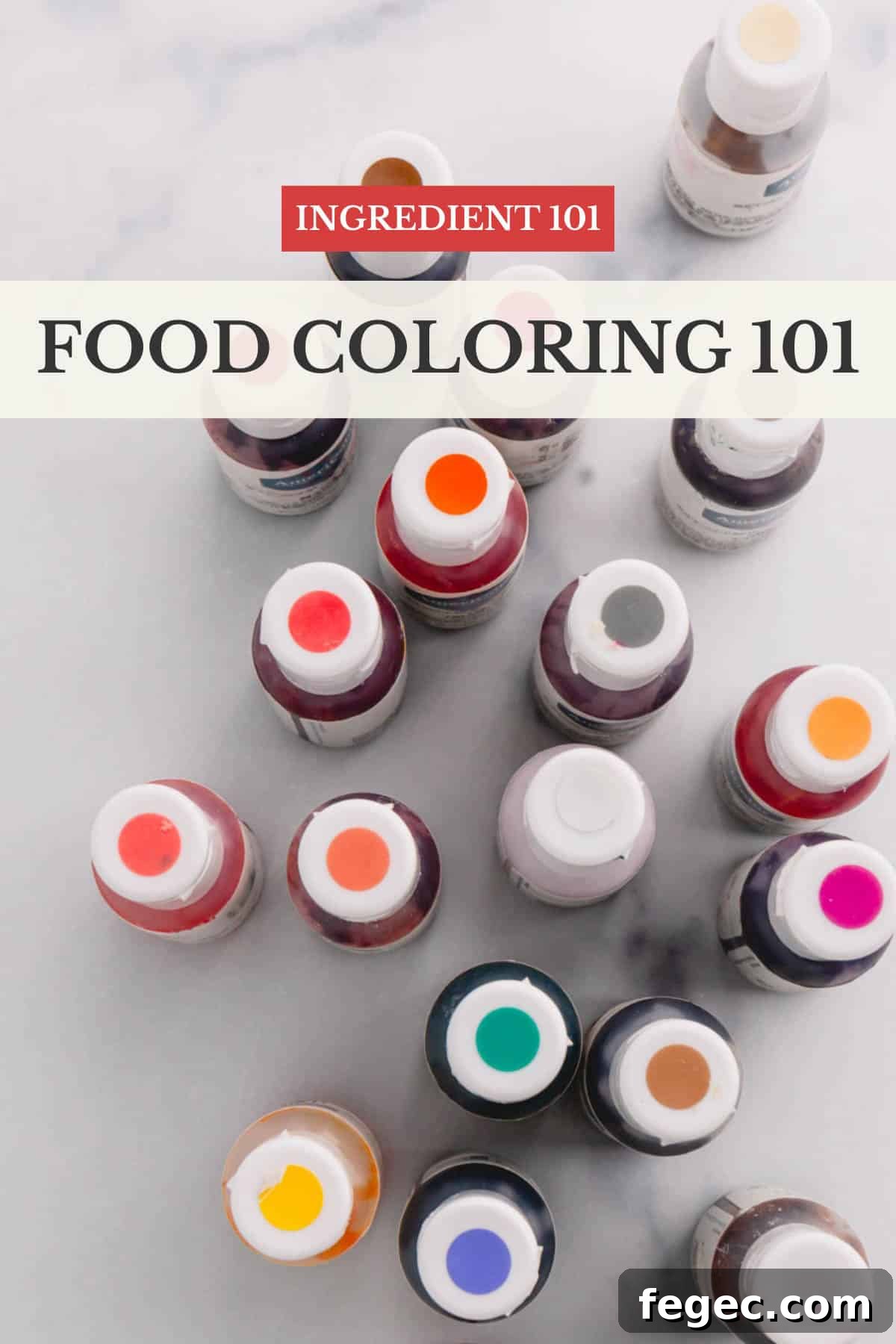
This complete food coloring guide explains everything you need to know about food colorings—liquid, gel, and powdered—and how to use them to achieve vibrant, professional-looking baked goods. With a few simple tips and techniques, decorating becomes easy and fun.
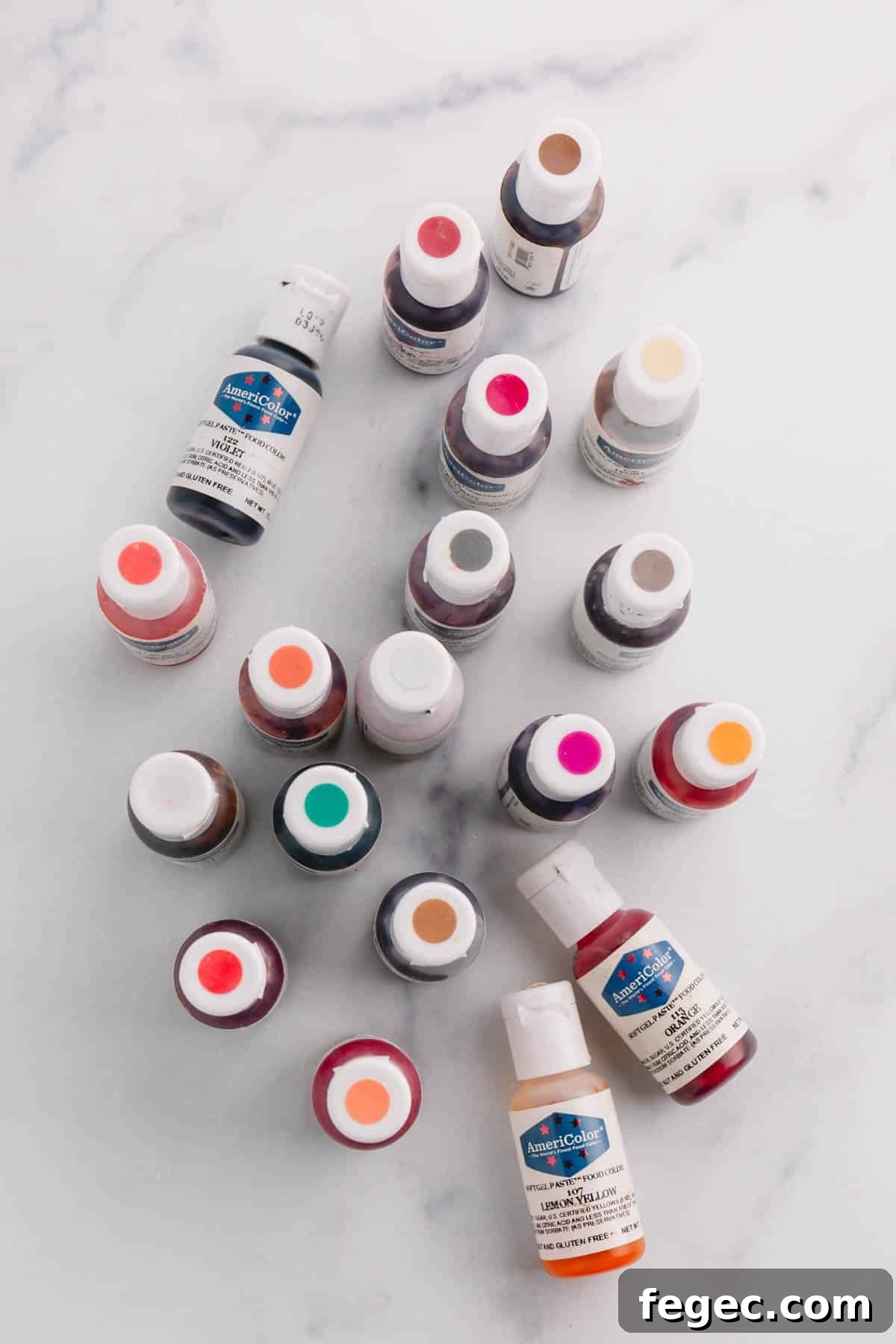
Why Use Food Coloring
After spending time shaping sugar cookies or baking a layer cake, the decorating stage is the most rewarding. While plain powdered sugar icing or cream cheese frosting can be lovely, adding color makes finished desserts pop and look more exciting.
The best way to achieve bold, consistent color is to choose the appropriate form of food coloring—liquid, gel, or powder—based on your recipe and desired result. This guide covers the differences between each type, when to use them, and practical tips to get reliable, vibrant color every time.

Food Coloring Guide: 3 Main Types
Below are the main categories of food coloring, with their advantages, downsides, and best uses.
1. Liquid Food Coloring
Liquid food coloring is widely available and water-based. It produces lighter, more subtle shades and is useful when you only need a hint of color.
- Pros: Easy to use—add drops directly to frosting or batter until you reach the shade you want.
- Cons: Because it’s water-based, adding too much can thin batters and icings, causing cookies to spread, cakes to sink, or frosting to become runny.
- How to use: Best for coloring delicate items like Easter eggs or for when only a pale tint is desired.
2. Gel Food Coloring
Gel food coloring is highly concentrated, usually with a glycerin or corn syrup base. It yields bright, intense colors without adding significant moisture, making it a favorite for bakers aiming for vivid hues.
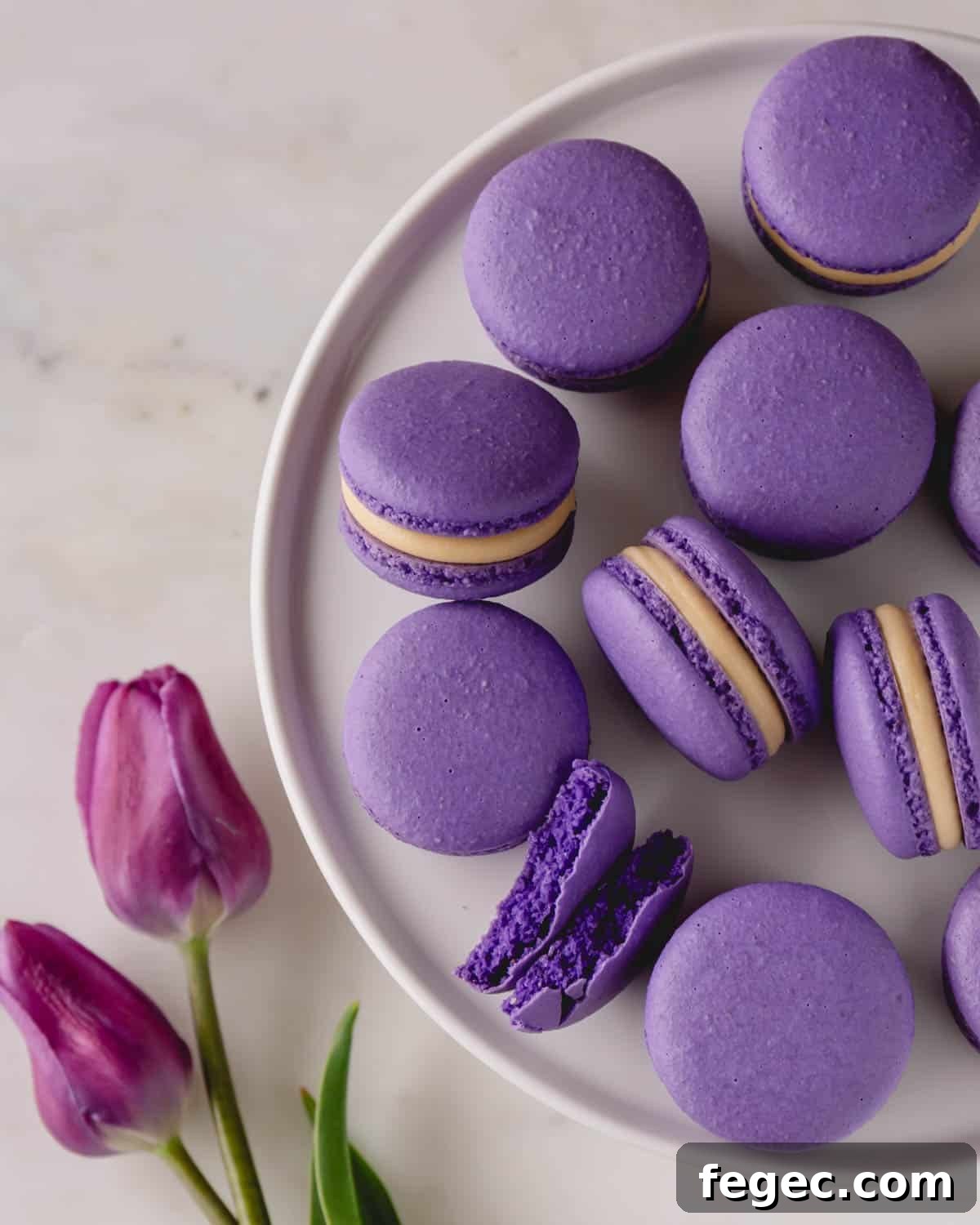
- Pros: Produces strong, saturated colors with just a small amount. Ideal for recipes where extra liquid would cause problems, such as delicate cookies or macarons.
- Cons: Easy to overdo—start conservatively since the color can deepen over time.
- How to use: Begin with a tiny amount, such as a single drop, and add gradually. Prepare colored icings in advance so the final shade can develop fully.
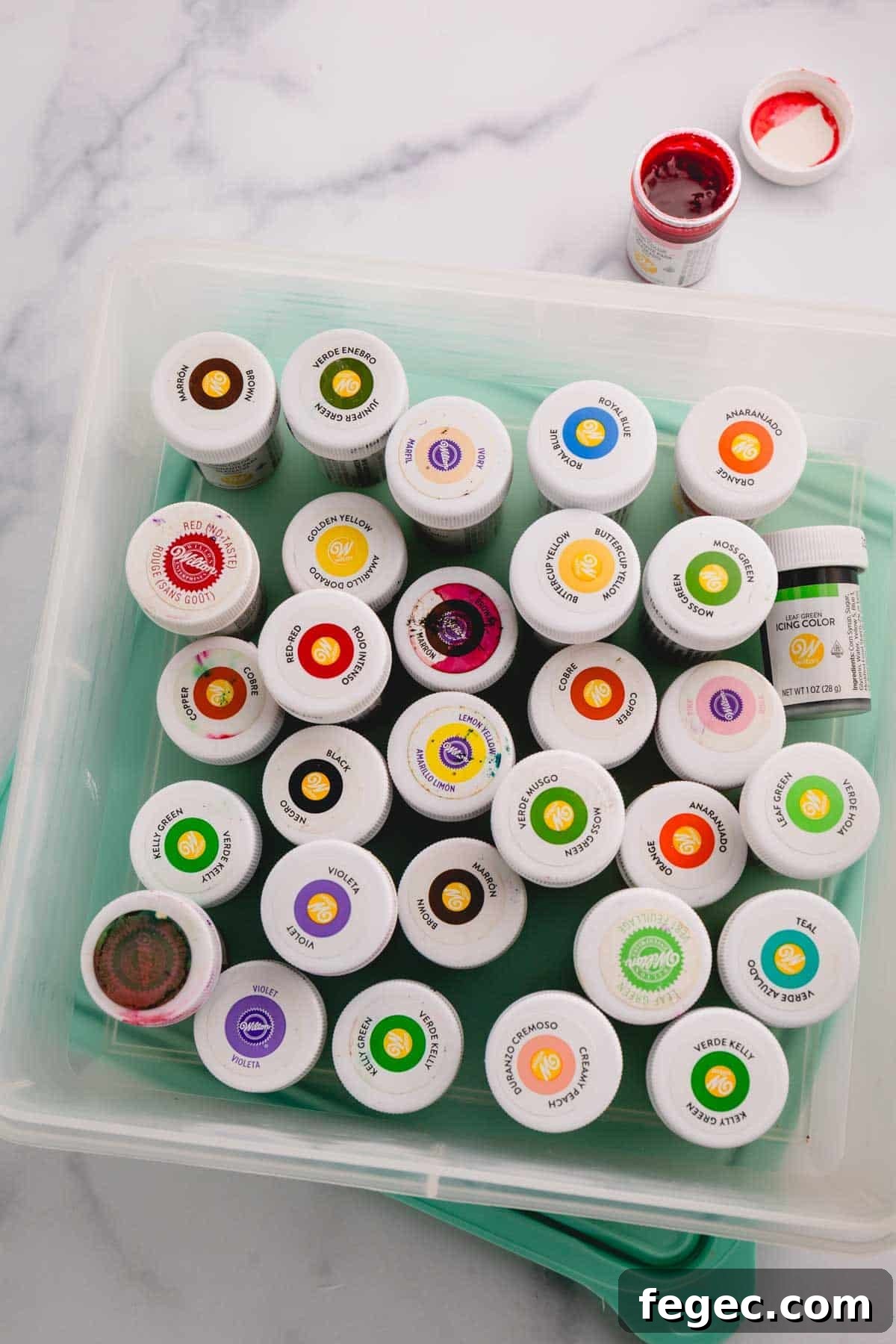
3. Powder Food Coloring
Powdered food coloring is versatile and moisture-free, which makes it useful for confections and recipes sensitive to liquid. It can be mixed into dry ingredients, dusted onto surfaces, or combined with extracts to make edible paint.
- Pros: Concentrated and moisture-free, so it won’t alter the texture of items like meringues, macarons, or chocolates.
- Cons: Often requires online purchase and takes practice to use effectively; results can require some experimentation.
- How to use: Use in recipes where added liquid would be problematic—chocolates, candy coatings, meringues, and macarons are ideal candidates.
Water-Soluble vs. Oil-Soluble Food Coloring
Food colorings are also classified by solubility: water-soluble (water-based) or oil-soluble (fat-soluble). Choosing the right type for your recipe is essential for even mixing and stable color.
- Water-based: Use with water-based recipes like royal icing, meringues, and macarons.
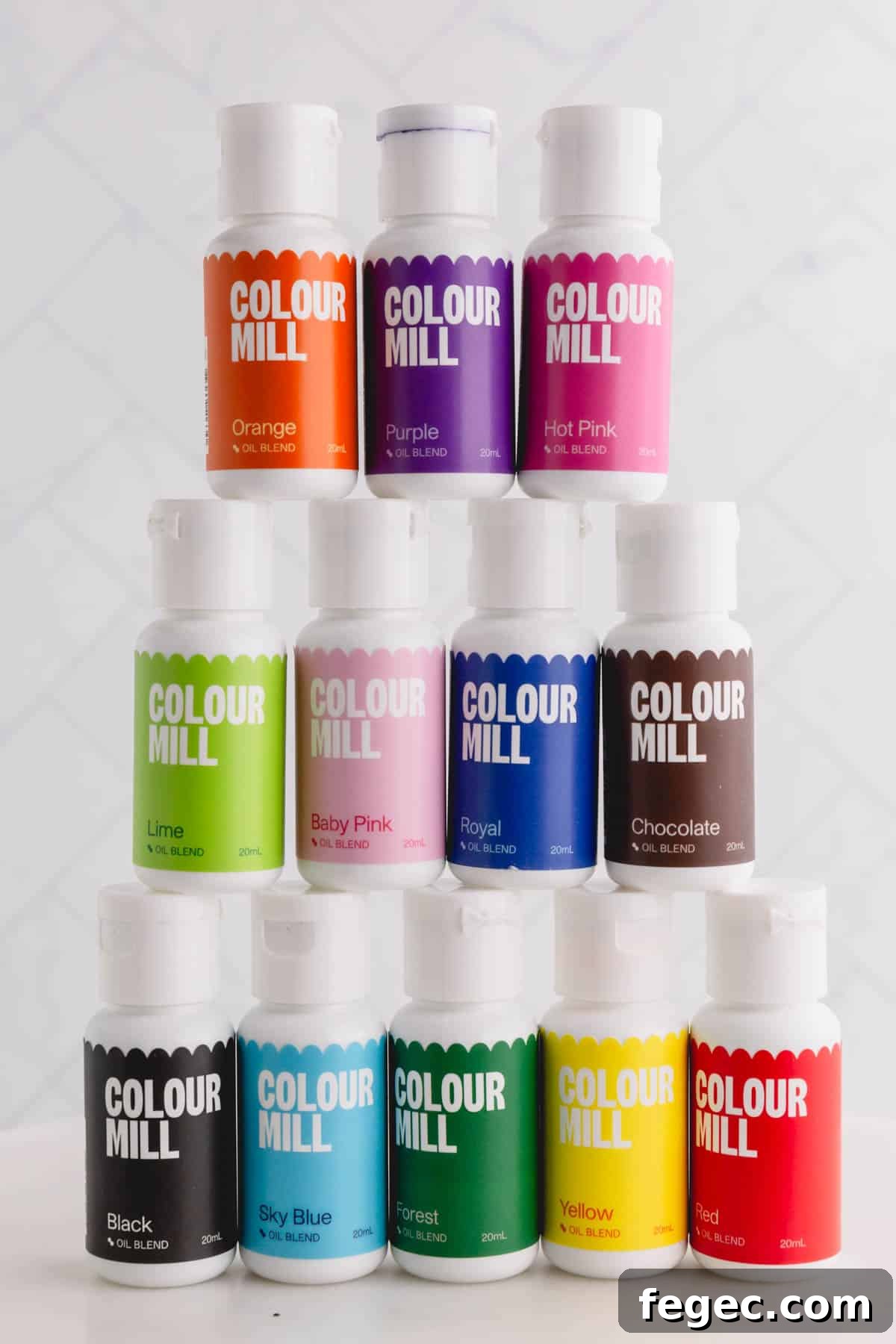
- Oil-based: Use with high-fat recipes such as white chocolate, candy melts, and some buttercreams.
As a rule: if the recipe’s base is oil or butter, use oil-soluble color. If the base is water or egg-white based, use water-soluble color. Always check ingredient lists—if the color’s first ingredient is water, it’s likely water-based; if it lists oil components, it’s oil-based.
Check the ingredients
Inspect the product label to determine solubility. This quick check prevents separation, clumping, or uneven coloring in your final product.
Natural Food Coloring vs. Synthetic Food Coloring
Synthetic dyes produce bold, consistent colors with minimal effect on taste, while natural colorants are plant-based and may alter flavor and shade, especially when heated.
- Synthetic: Made from artificial dyes (commonly labeled FD&C numbers). They deliver bright, reliable results and rarely affect flavor when used in normal amounts.
- Natural: Sourced from plants (spirulina, beet juice, turmeric, paprika, etc.). They can add subtle color but may impart flavor and often fade or shift in heat.
Food Coloring Tips
These practical tips will help you achieve consistent, attractive colors without compromising texture or flavor.
- Start small: Add color incrementally—1–2 drops or a small dab at a time—and stir thoroughly before adding more.
- Be patient: Colors often deepen after a few minutes; wait at least 15 minutes to judge the final shade.
- Use clear bowls: Glass or clear bowls let you see the true color while mixing.
- Begin with a neutral base: White or pale bases take color more predictably than chocolate or fruit-flavored batters, which already have tints.
- Create custom shades carefully: Test small amounts before coloring an entire batch. Reference mixing charts and keep notes of ratios that work.
- Have fun: Decorating is creative—experiment and enjoy the process.

Ideas for Using Food Coloring
Once you understand how each type behaves, you can apply color in many creative ways. Here are a few popular uses:
- Valentine’s Day sugar cookies—use gel coloring to make deep red royal icing without adding excess moisture.
- Red velvet cakes and cupcakes—either liquid or gel can work, but gel is useful for richer color with less liquid.
- DIY colored sugar—gel coloring colors sugar without making it clumpy, creating vibrant sprinkles or sparkling toppings.
- Strawberry buttercream and macarons—a small amount of pink gel produces a lovely, consistent hue.
Food Coloring Guide FAQs
Synthetic food coloring has a long shelf life when stored properly. Liquid or gel colors can dry out if left open, and potency may decline over several years. Store colors in a cool, dark place with lids tightly closed for maximum longevity.
Mixing colors takes practice. Start with small amounts and refer to a reliable mixing guide or chart. Test on a small portion of frosting or batter before committing to a full batch to avoid unexpected shades.
Synthetic dyes generally do not affect flavor when used in normal quantities. Natural colorants may impart a subtle taste from their source ingredient, so consider their flavor impact when choosing them.
More Helpful Baking Guides
- How to Soften Butter (in 30 seconds!)
- How to Make Royal Icing
- How to Make DIY Colored Sugar
- How to Temper Chocolate