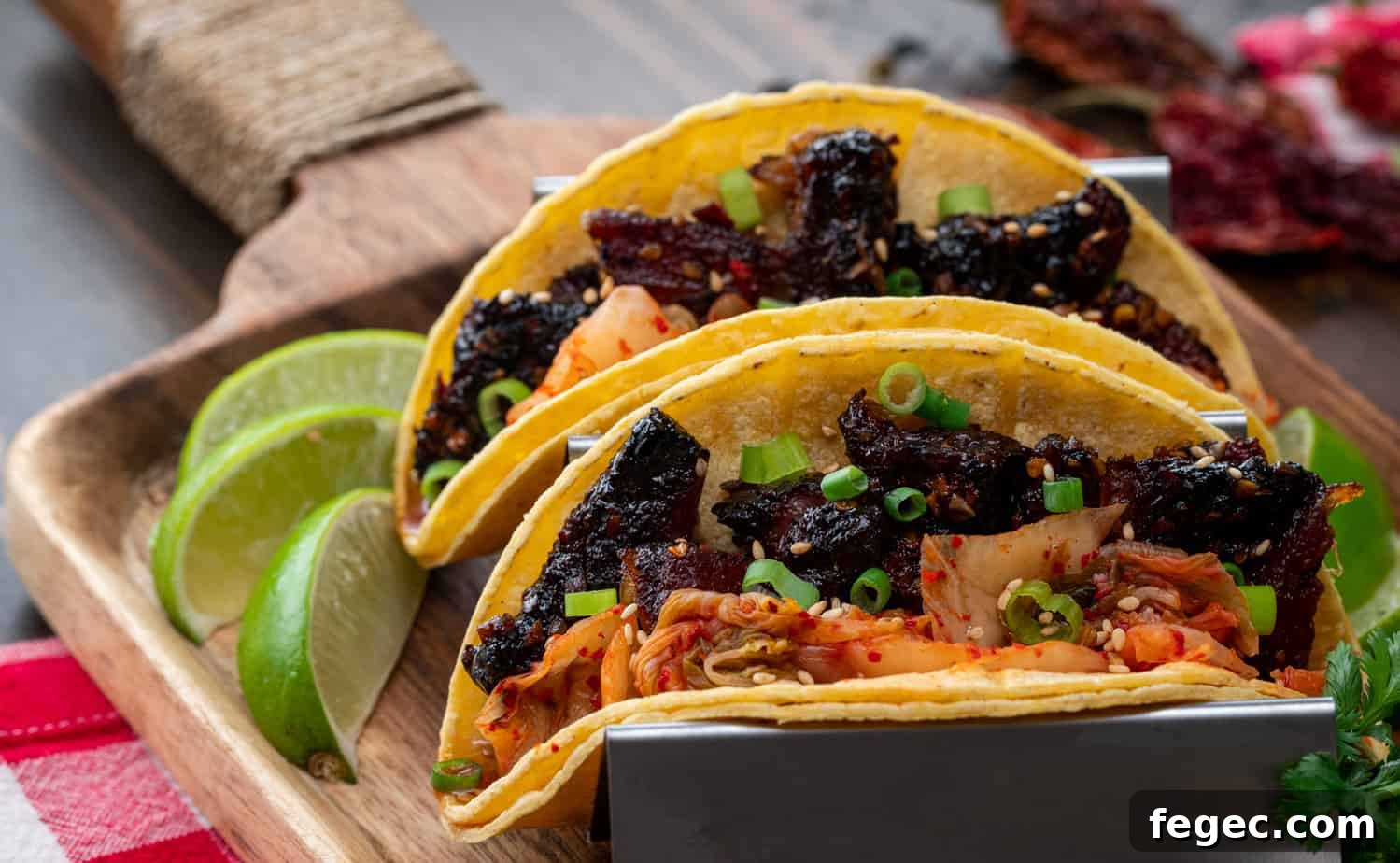
Pork belly is one of the most versatile proteins for the barbecue. Its balance of fat and meat, plus its even shape, makes it ideal for many preparations — from cured bacon to porchetta to richly flavored burnt ends. One of the best uses for pork belly is cutting it into large, silver-dollar-sized cubes, smoking them low and slow, and finishing them into succulent, caramelized burnt ends perfect for tacos or serving on their own.
Because pork belly renders beautifully, dicing it before smoking increases surface area and accelerates the cook without sacrificing tenderness. Smaller pieces develop a deeply flavored, crunchy bark while the interior becomes silky and melt-in-your-mouth. With proper temperature control and patience, you can transform pork belly into a show-stopping barbecue dish in a manageable amount of time.
Smoking Pork Belly for Burnt Ends
Pork belly generally cooks more quickly than larger barbecue projects such as brisket or pork shoulder, but achieving a truly tender, rendered interior can still take several hours. The target internal temperature for the richest, most tender results is around 200°F, where connective tissues and fat fully break down. Dicing the belly into 1.5–2 inch cubes shortens cook time, concentrating smoke and heat so the pieces develop a deep, caramelized bark while becoming tender inside.
Maintain a consistent smoker temperature—around 250°F—to develop the bark and render fat without drying the meat. A reliable meat thermometer makes monitoring internal temperature straightforward; avoid opening the smoker frequently, since temperature swings prolong the cook time.
Dry Rub vs Sauce — Why Not Use Both?
Barbecue lovers often debate dry rubs versus wet sauces, but pork belly burnt ends benefit from a hybrid approach. Start with a simple, assertive dry rub to form a robust, crunchy bark. After the meat has developed color and texture from the smoke, introduce a sauce to add depth, gloss, and an extra layer of flavor. This two-step process is common across many pork preparations and yields balanced, intensely flavored burnt ends when done correctly.
Smoked Korean Pork Belly Tacos
Burnt ends shine in many dishes: served alone as a canapé, tossed into baked beans, or folded into tacos. Smoked Korean-style pork belly tacos are a personal favorite. Asian flavor elements — gochugaru (Korean red chili flakes), soy sauce, rice wine vinegar, sesame oil, ginger, and garlic — pair exceptionally well with smoky pork belly. Combined with brown sugar and sesame, the result is sweet, savory, slightly spicy, and utterly craveable.
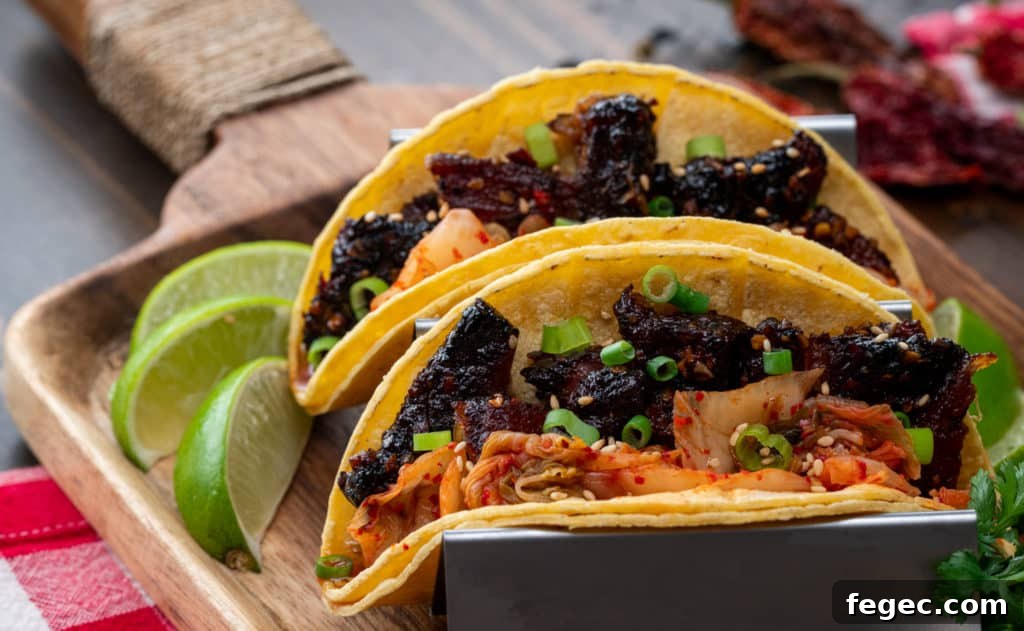
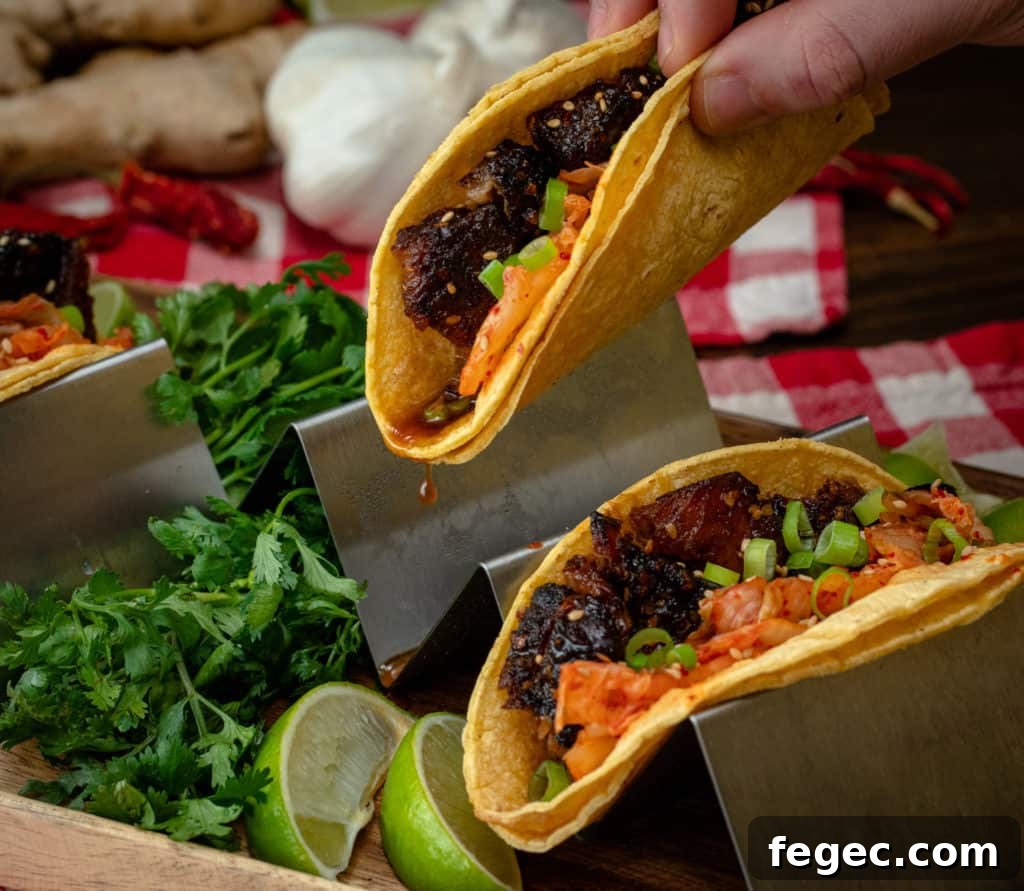
Build tacos with warmed corn tortillas, kimchi for acidity and texture, sliced green onions, toasted sesame seeds, and a squeeze of lime for brightness. The final dish tastes restaurant-quality while remaining easy to prepare at home. Follow the recipe below for ingredient amounts and step-by-step instructions.
Making Smoked Pork Belly Tacos
1. Preheat your smoker to ~250°F
2. Prepare the water pan (optional)
Add ½ lime (sliced), 1 tablespoon whole black peppercorns, and 6 lightly smashed garlic cloves to the water pan if your smoker accommodates one. This is optional but helps create a gentle, aromatic steam during the cook.
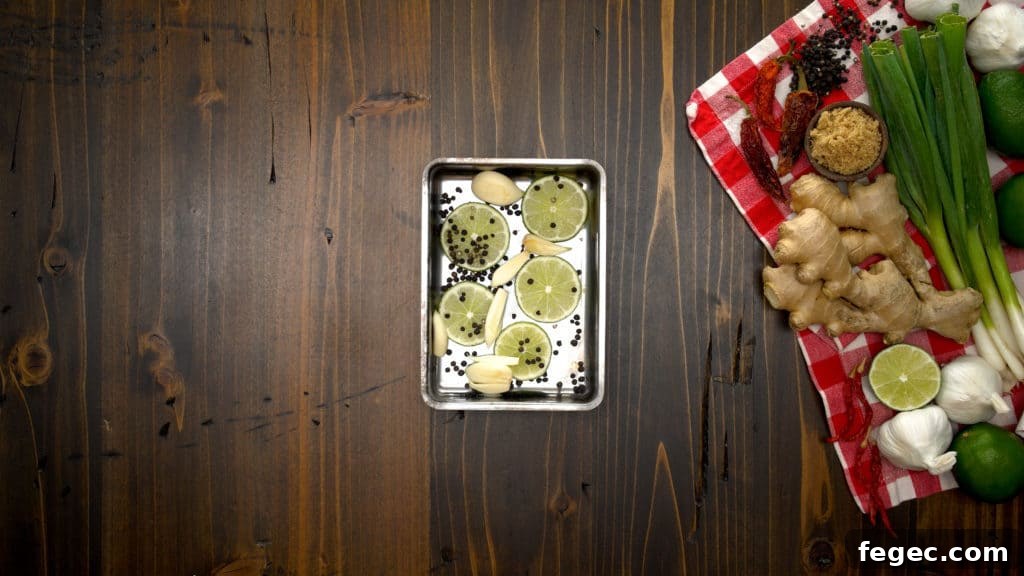
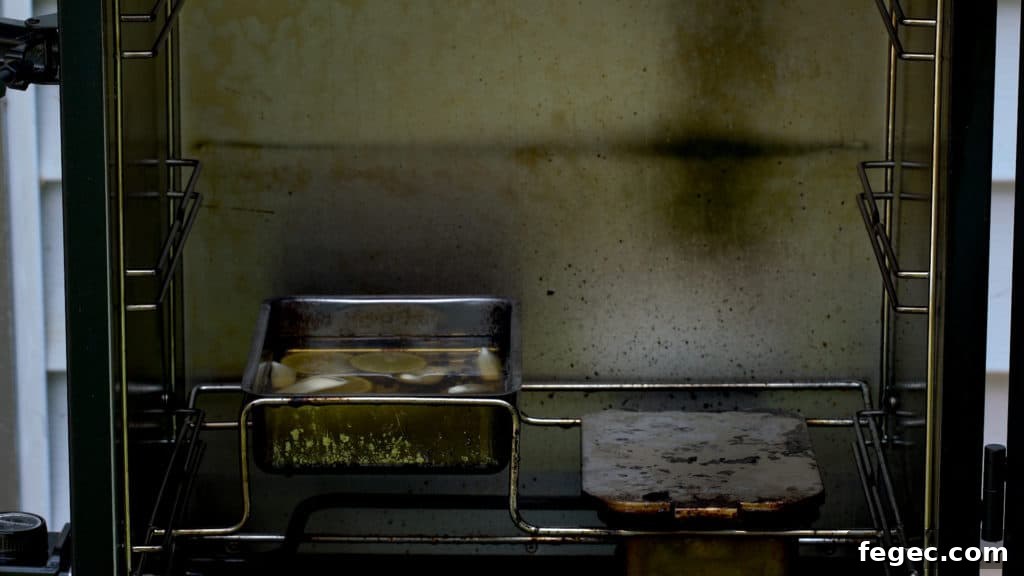
3. Place the water bowl inside the smoking chamber (optional)
4. Mix the spice blend
Combine brown sugar, gochugaru, sea salt, ground black pepper, sesame seeds, and garlic powder. This simple rub creates a sweet, savory base with a hint of Korean heat.
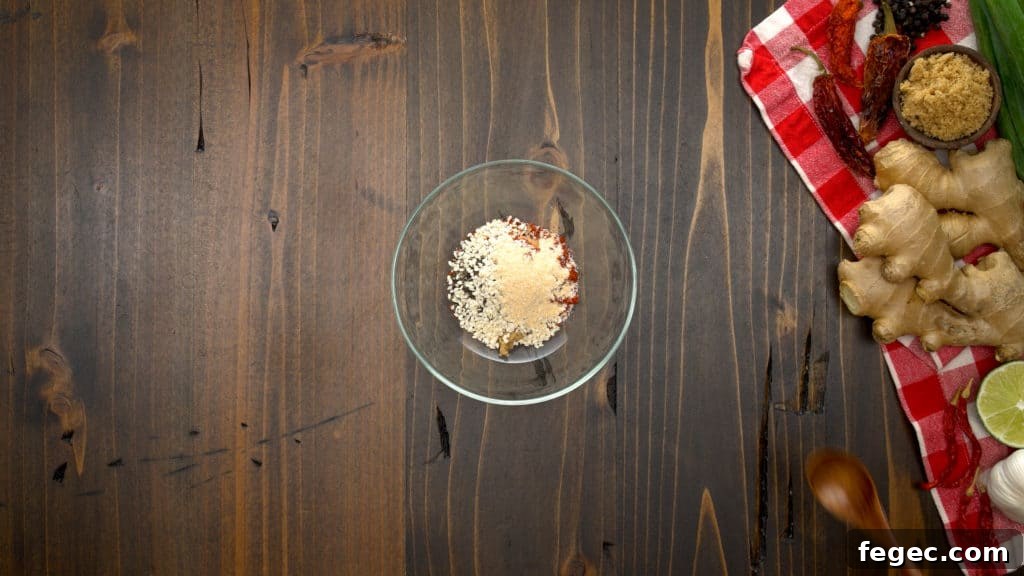
5. Cut and season the pork belly
Trim skin if present and cut the pork belly into 1.5–2 inch chunks. Coat each piece liberally with the spice mix and press the rub into the meat with your fingers.
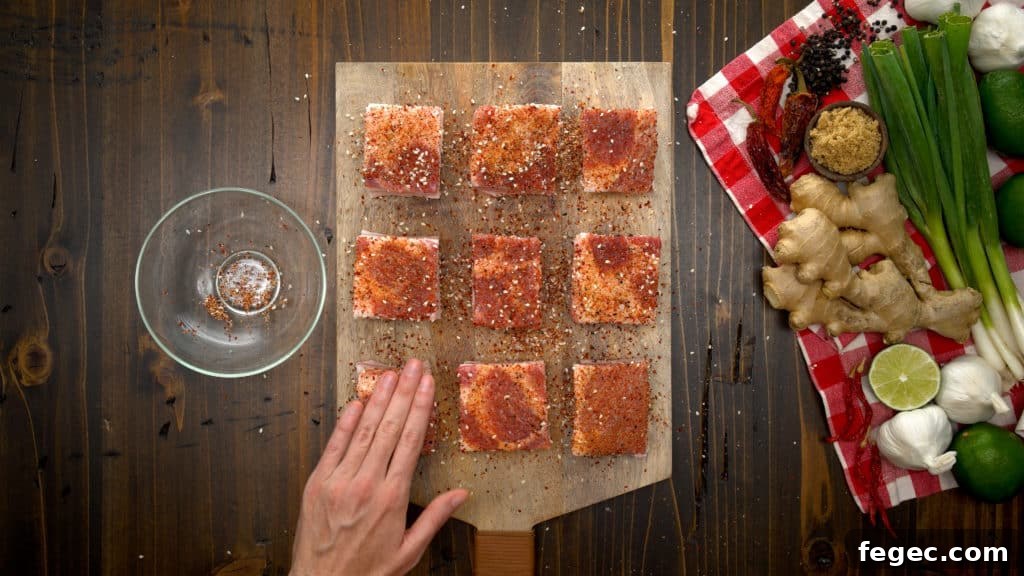
6. Arrange on a rack
Lay the pork belly chunks on a smoker rack or a metal cookie rack placed on smoker grates to prevent pieces from falling through.
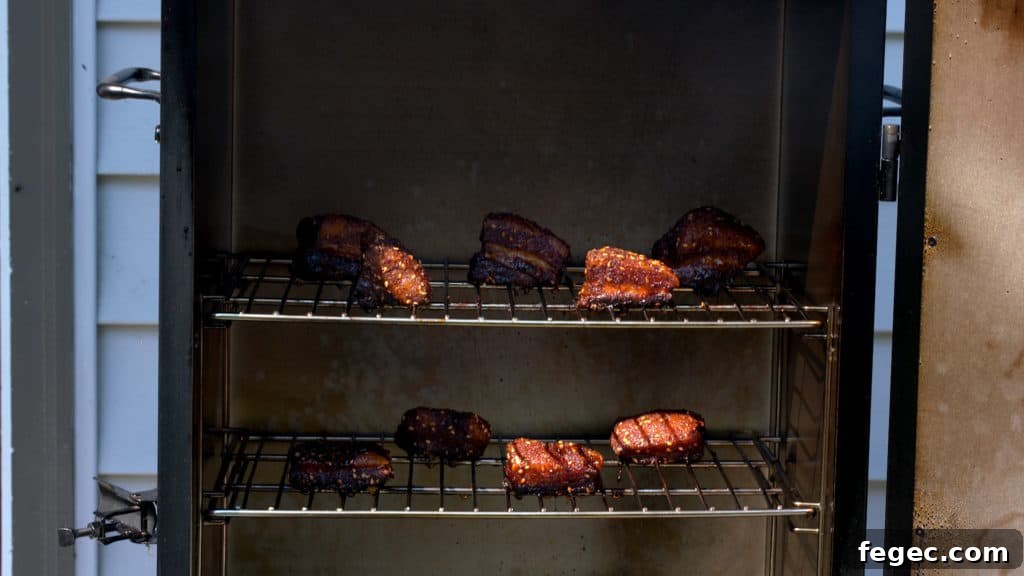
7. Smoke the pork belly
Place the rack in the smoker and smoke for about 2 hours, resisting the urge to open the smoker too often. Replenish wood chips as needed. The pieces should develop a dark, amber bark that is caramelized and crunchy on the outside but still juicy within. If the bark needs more color, smoke an additional 30 minutes.
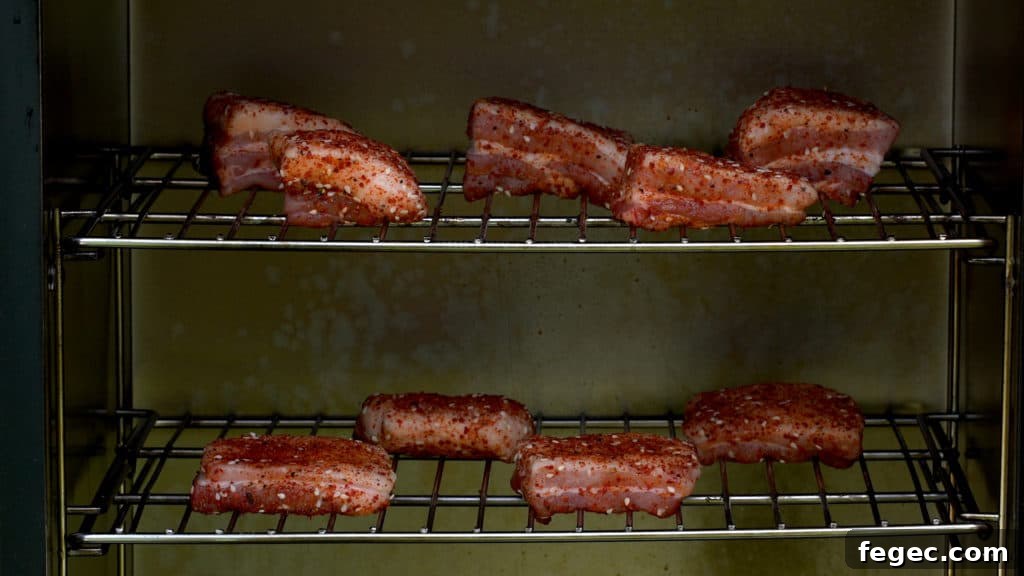
8. Prepare sauce and finishing glaze
While the pork smokes, whisk together the Korean-style sauce: brown sugar (reserve ⅓ cup), soy sauce, rice wine vinegar, sesame oil, minced ginger, minced garlic, and a pinch of gochugaru. Warm gently just to dissolve sugar and marry flavors, then set aside. Combine softened butter and honey for the glaze.
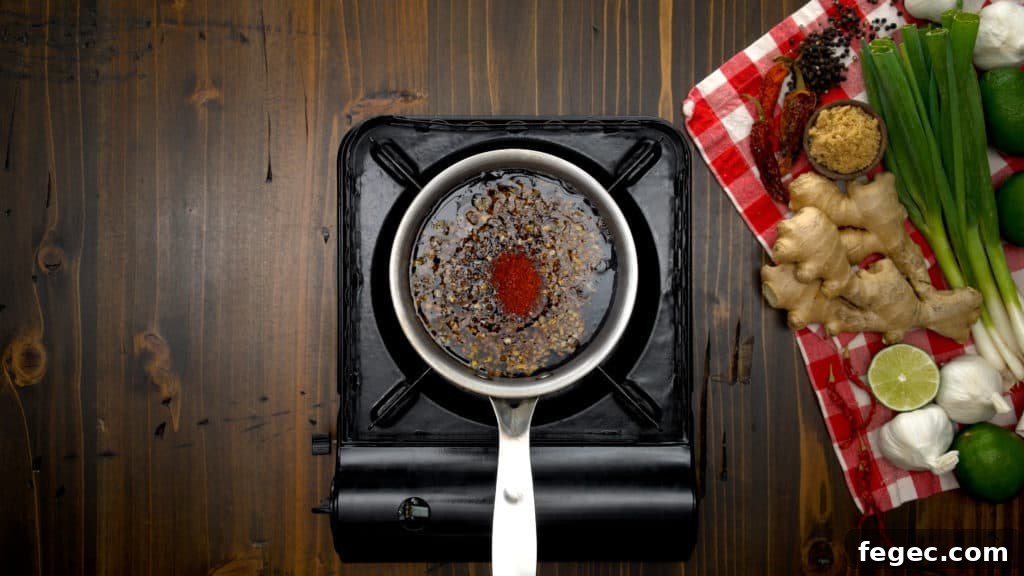
9. Honey-butter and sugar finish
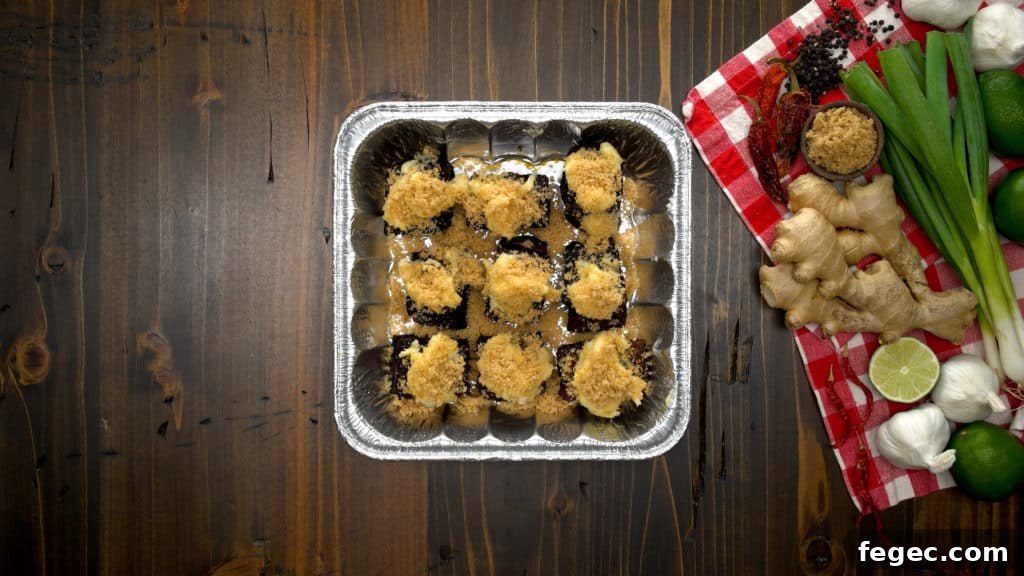
When the pork belly has a deeply caramelized exterior, remove it from the smoker. Brush the chunks with the honey-butter mixture and sprinkle with the reserved ⅓ cup brown sugar. Place the pieces into a deep roasting pan and cover tightly with aluminum foil.

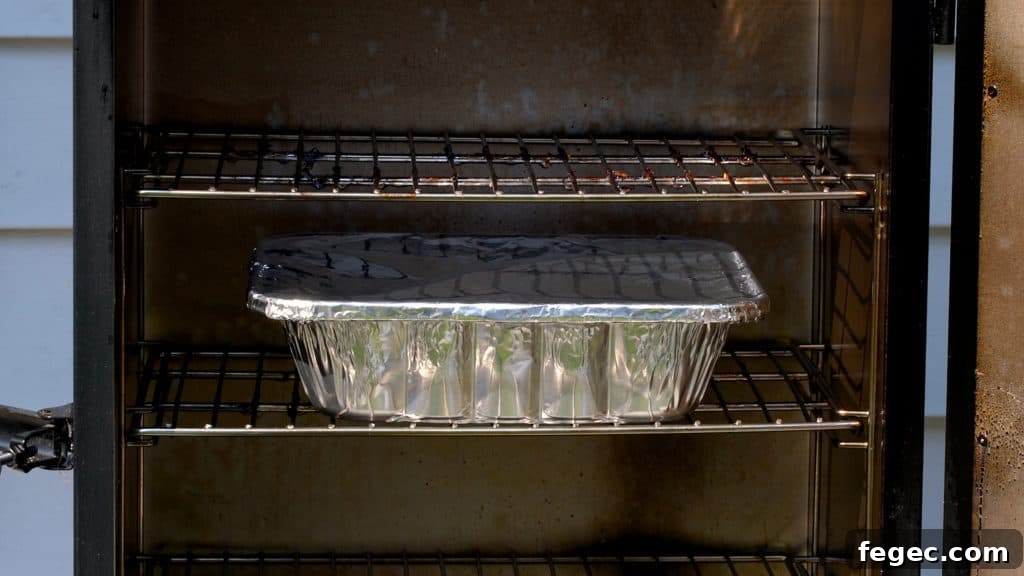
10. Braise in the smoker
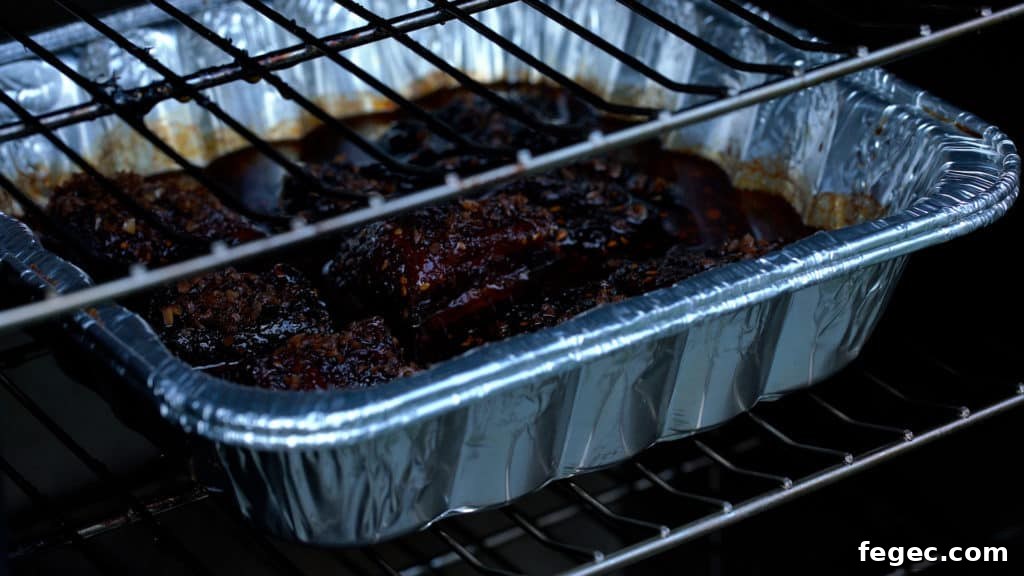
Return the covered pan to the smoker and continue cooking for another 1–1.5 hours. Check for tenderness: the pieces should feel almost buttery when probed. If needed, give them another 30 minutes until they soften.
11. Add the sauce
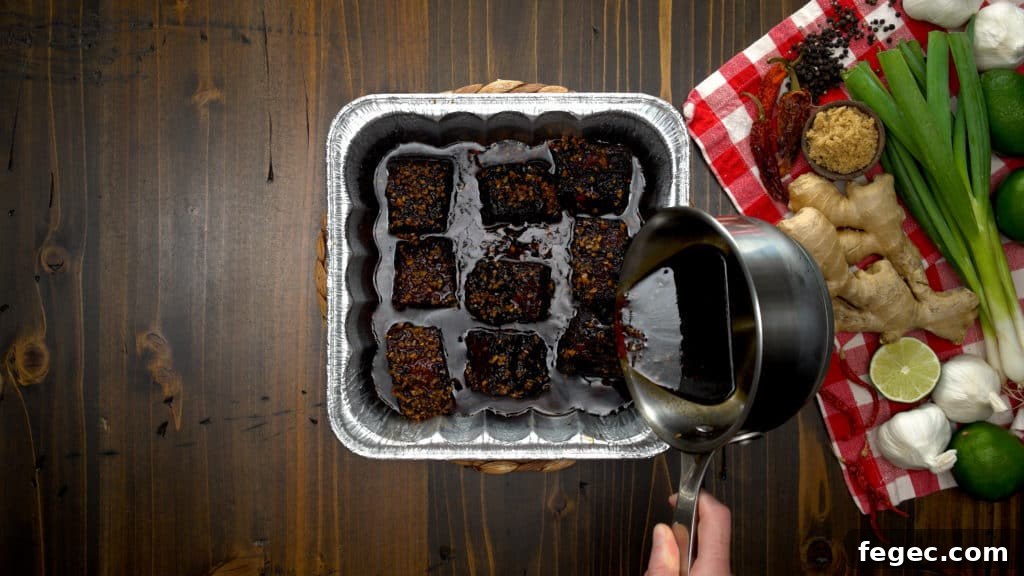
Once the pork is tender, remove the foil and pour the prepared Korean-style sauce over the pieces. Return the pan to the smoker, uncovered, and cook for another 20–30 minutes to reduce and glaze the sauce onto the meat. Target an internal temperature of around 200°F for the most tender outcome.
12. Finish and shred
Once finished, remove the pan from the smoker and let the meat rest briefly. Use two forks to shred or break the pork belly into smaller pieces suitable for tacos or serving. The exterior should be sticky and caramelized while the interior remains rich and soft.
13. Assemble tacos
Warm corn tortillas and build each taco with pork belly burnt ends, a spoonful of kimchi, sliced green onions, toasted sesame seeds, and a squeeze of lime. The combination of smoky, sweet, spicy, and tangy elements creates a memorable and balanced bite.
14. Serve and enjoy
Serve the tacos immediately while hot and juicy. These burnt ends also pair beautifully with simple sides like pickled vegetables, steamed rice, or a crisp slaw. Leftovers reheat well and make a delicious sandwich filling or bowl topping.
Recipe Summary
Smoked Korean Pork Belly Burnt Ends Tacos yield a bold, craveable flavor: sweet brown sugar, savory soy, aromatic sesame, bright vinegar, and a touch of Korean chili combine with smoky, richly rendered pork. The method balances a dry rub to build bark and a sweet-spicy sauce to finish, producing tender, sticky burnt ends perfect for tacos or sharing.
Smoked Korean Pork Belly Burnt Ends Tacos
Sweet brown sugar, soy, sesame oil, and Korean chili flakes meld with smoky pork belly for an addictive flavor combination perfect for tacos.
Ingredients
Water Bowl (optional)
- ½ lime, sliced
- 1 tbsp whole black peppercorns
- 6 cloves garlic, slightly smashed
Spice Rub
- 3 tsp brown sugar
- 3 tsp gochugaru (Korean red chili flakes)
- 1 tsp sea salt
- 1 tsp ground black pepper
- 1 tsp sesame seeds
- ½ tsp garlic powder
- 2–3 lb pork belly, skin removed, cut into 1.5” chunks
- ½ cup butter, softened
- 2–3 tbsp honey
Sauce
- ⅔ cup brown sugar (separated)
- ⅔ cup soy sauce
- 3 tbsp rice wine vinegar
- 2 tbsp sesame oil
- 3 tbsp ginger, minced
- 6–8 cloves garlic, minced
- ½ tsp gochugaru
Tacos
- 16 corn tortillas
- Korean-style kimchi
- Green onions, sliced
- Toasted sesame seeds
- Lime wedges
Instructions (brief)
- Preheat smoker to 250°F. Place water bowl with optional aromatics if desired.
- Mix the spice rub. Season pork belly cubes thoroughly.
- Smoke pork belly on a rack for about 2 hours until a dark, caramelized bark forms. Add more smoke time if needed.
- Prepare sauce and combine butter with honey for glazing. Reserve ⅓ cup brown sugar for the pan finish.
- Brush smoked pieces with honey-butter, sprinkle reserved brown sugar, place in a foil-covered pan, and return to smoker for 1–1.5 hours until very tender.
- Remove foil, add Korean-style sauce, and smoke uncovered 20–30 minutes until glazed and sticky. Target internal temperature ~200°F.
- Let rest briefly, shred or break into smaller pieces, and serve on warmed corn tortillas topped with kimchi, green onions, sesame seeds, and lime.
What’s your favorite way to use pork belly burnt ends? Share your ideas and variations — they’re always fun to try.