
Sourdough pizza dough makes some of the best pizza you can bake at home. The complex, tangy flavor combined with a crust that’s both crispy and tender is irresistible. This version is mixed using a stand mixer or Thermomix, which saves effort during the kneading stage while preserving the dough’s texture and taste.
This recipe requires an active, bubbly sourdough starter. If you prefer a faster option, you can use a discard-based quick dough instead and still get a tasty result.
What If You Need Sourdough Pizza In A Hurry?
This is a genuine sourdough base, but if time is tight you can add a pinch of commercial yeast to speed fermentation. For example, mixing at lunchtime and leaving the dough in a warm place typically produces ready-to-shape dough by late afternoon without extra yeast. If you need the dough ready within a few hours, a small amount of yeast accelerates the rise while still allowing the dough to display sourdough character. This flexibility makes the recipe very adaptable to busy schedules.
Don’t Use A Rolling Pin!
One of the most important tips for great sourdough pizza is to avoid a rolling pin when shaping the bases. Rolling compresses gases and flattens the lovely bubbles that give sourdough its airy texture.
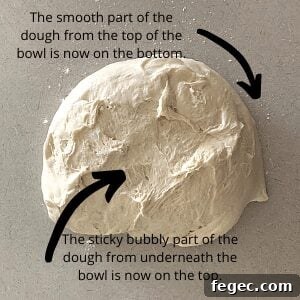
When you turn the dough out of the bowl, place it smooth-side down on your countertop, the same way you would with bread dough. Divide the dough into portions — around 290g per pizza is a good guide — using a bench scraper or your hands. Form each portion into a tight ball.
Use your fingers to press the dough from the center toward the edges, preserving a slightly thicker rim. If you need to stretch it further, pick the disk up and gently rotate it while allowing gravity and the dough’s elasticity to widen the circle. This method preserves the dough’s open crumb so you end up with soft pockets of air encased in a crisp base.
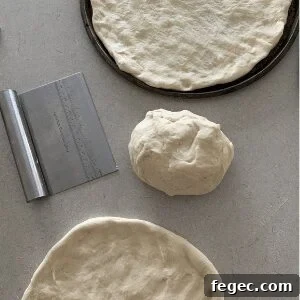
Shaping by hand rather than pinning makes a noticeable difference in the oven: the crust will blister, the edges will puff, and the center will hold up under toppings without becoming dense.
Cooking Your Sourdough Pizza
You can bake these pizzas in a regular home oven with excellent results. Two great methods are a cast iron skillet for deep dish-style pizzas or perforated pizza trays for thinner crusts. Perforated trays promote airflow and help crisp the bottom crust in conventional ovens.
A wood-fired oven or a pizza stone will also produce outstanding results if you have access to them. No matter which method you choose, start with a very hot oven to quickly set the crust and produce a crisp exterior. If needed, reduce the temperature slightly after the crust sets so the toppings cook through without burning.
Can You Freeze Sourdough Pizza Dough?
Yes — this dough freezes beautifully. For convenience, make a large batch, shape the balls and freeze them between sheets of baking paper on a tray. Once the pieces are solid, remove the tray and store the stacked dough wrapped in foil or in a sealed container. You can top and bake frozen bases directly without thawing for quick homemade pizza nights, or thaw in the fridge before using. You can also freeze pre-baked bases for later use.
Equipment for Sourdough Pizza Dough
You don’t need specialized tools, but a few items make the process easier and improve results:
- Stand mixer or Thermomix — makes kneading faster and more consistent.
- Digital scales — for accurate ingredient measurement.
- Mixing bowl — a clear bowl helps you watch the dough rise.
- Bench scraper or dough scraper — useful for dividing and handling sticky dough.
- Perforated pizza trays or a pizza stone — for a crisp bottom crust.
- Cast iron skillet — ideal for deep-dish sourdough pizzas.
- Pizza cutter — for clean slices through hot cheese and crispy crust.
Further Reading
If you enjoy this sourdough pizza dough, consider exploring articles on the best flours for sourdough pizza, Thermomix sourdough recipes, and versatile sourdough flatbreads that can double as mini pizzas. Recipes for sourdough naan and other flatbreads are also great companions for sourdough baking enthusiasts.
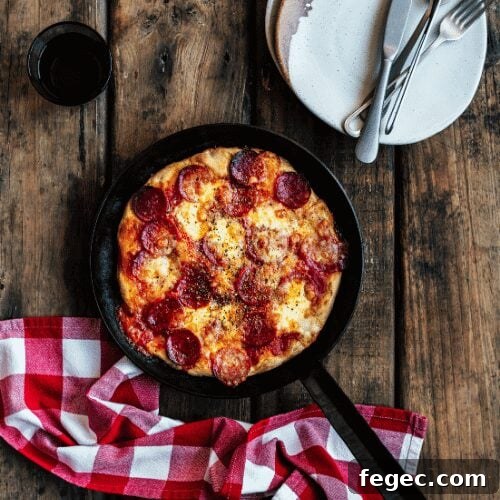
Sourdough Pizza Dough (in a Stand Mixer)
Equipment
- Stand Mixer
- Digital Scales
- Mixing Bowl
- Pizza Trays or Pizza Stone
Ingredients
- 500 g Bread Flour
- 20 g Salt
- 30 g Olive Oil
- 20 g Honey
- 280 g Water
- 200 g Sourdough Starter, active and fed
Instructions
- Measure all ingredients directly into the bowl of your stand mixer or Thermomix. The dough is forgiving so you can add ingredients on top of one another.
- Use the dough/knead function and mix for approximately 4–5 minutes until the dough is smooth and elastic. For Thermomix, use the dough function for 4 minutes. If the dough feels sticky, add a small amount of flour and knead for another minute or two until it becomes silky.
- Transfer the dough to a warm, lightly oiled bowl. Cover with cling wrap or a damp tea towel and leave to rise until doubled in size. Fermentation time varies with kitchen temperature; watch the dough rather than the clock. Using 200 g starter speeds the process compared to smaller starters.
- When doubled, divide the dough into balls of about 290 g each for a typical pizza size. Let the balls rest on the counter, covered with a tea towel, for around 30 minutes so the gluten relaxes.
- Shape each ball by pressing with your fingers into a disk and stretching with your hands. Avoid using a rolling pin to preserve the dough’s airy crumb. Place each shaped base on a pizza tray or into a cast iron skillet.
- Preheat the oven to 230°C / 450°F until very hot. Bake pizzas for about 15 minutes, or until toppings are cooked and bases are crisp on the bottom. If your oven runs very hot, you can lower the temperature slightly after the crust sets to protect the toppings.
Notes
Using a Stand Mixer: A stand mixer, food processor or Thermomix simplifies the kneading required for this recipe. It saves time and energy while producing a consistent, silky dough.
Kneading by Hand: Hand kneading is possible but requires more effort — expect to knead 10–12 minutes until the dough is smooth and elastic.
Pre-baking: If you use heavy toppings, consider blind-baking bases for 4–5 minutes after docking with a fork to prevent soggy bottoms.
Freezing: The dough freezes very well. Freeze dough balls or rolled but uncooked bases between sheets of baking paper. You can also freeze pre-baked bases for ready-to-top pizzas later.
Nutrition
Calories: 2313 kcal • Carbohydrates: 417 g • Protein: 65 g • Fat: 39 g • Fiber: 13 g
Nutrition information is automatically calculated and should be used as an approximation.
Like this recipe? Rate and comment below!