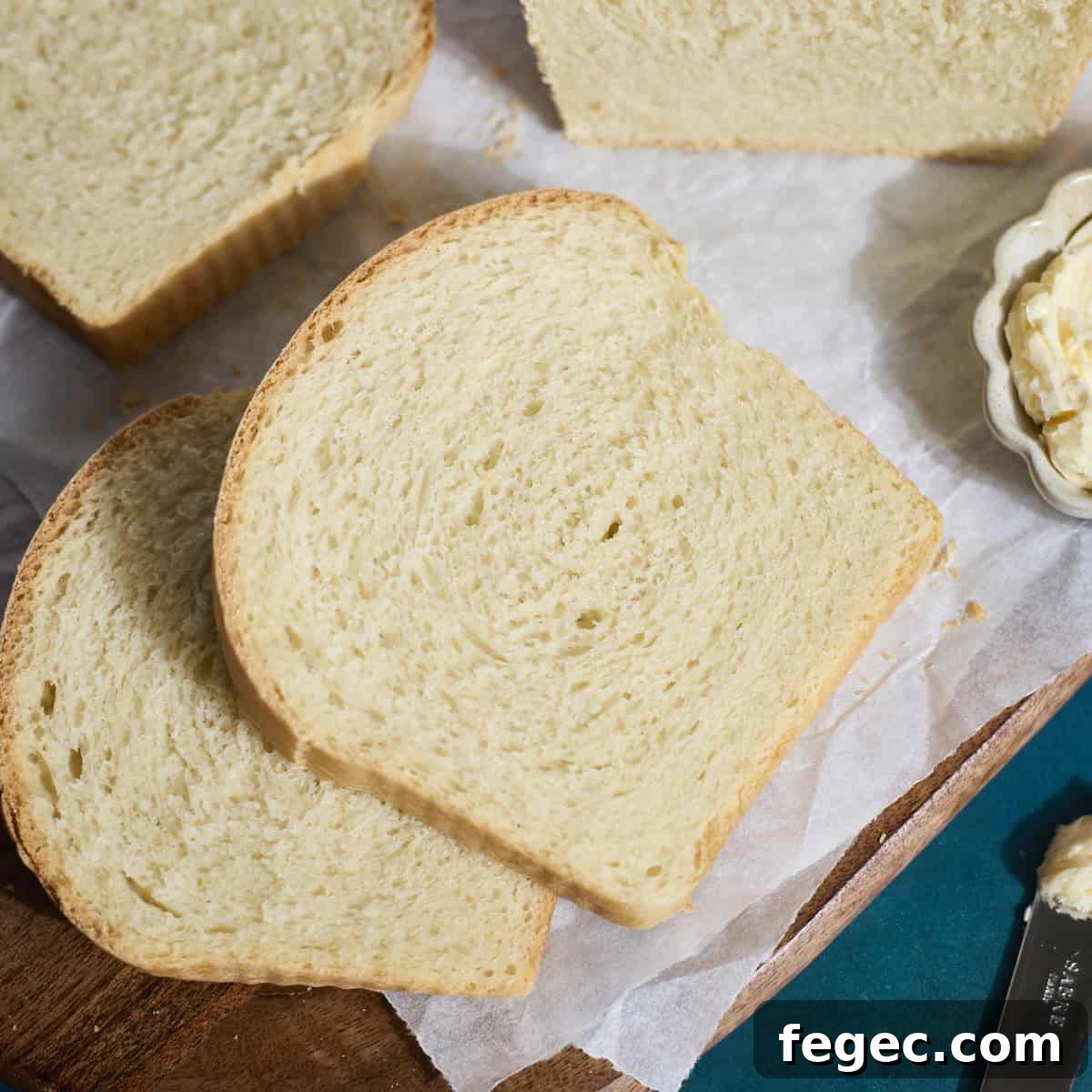
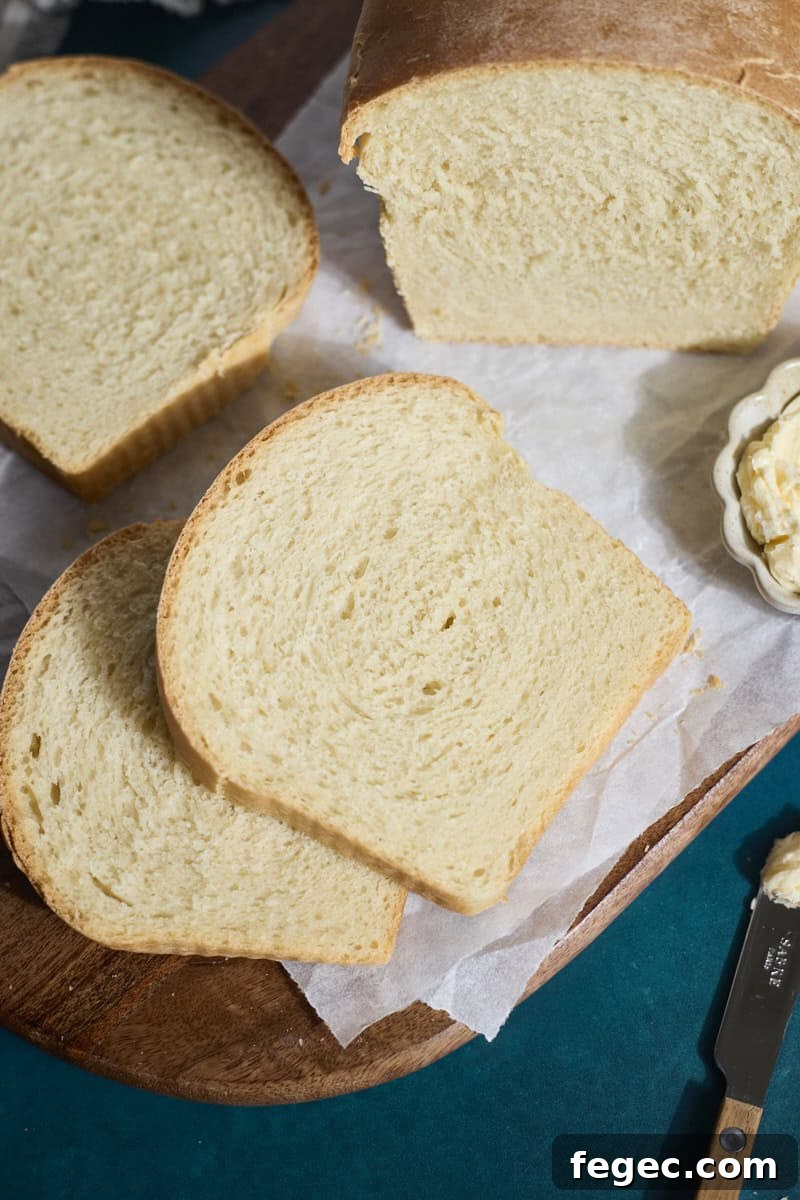
This Sourdough Discard Sandwich Bread is light, tender, and ready the same day. It makes excellent toast, sandwiches, or a simple snack — and it’s a smart way to use up sourdough discard while producing a soft, flavorful loaf.
[feast_advanced_jump_to]
Why you’ll love this recipe
- This is a same-day recipe so you can enjoy a fresh loaf in a few hours.
- You can easily swap in active sourdough starter for the discard if you prefer.
- Bread baking is approachable. Even if your loaf isn’t perfectly shaped, it will taste great.
- Try the Sourdough Discard Rolls or Sourdough Discard Focaccia for more ideas.
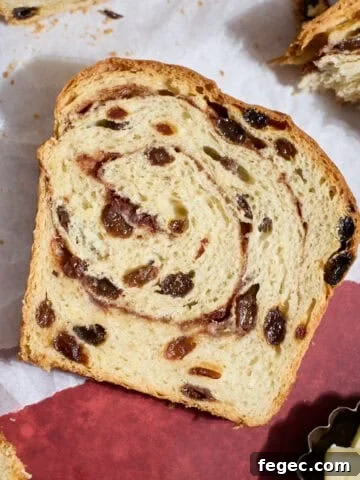
- This loaf is a versatile base — add cinnamon sugar, raisins, nuts, cheese, or other inclusions to customize it.
Ingredients
A few simple ingredients are all you need to make this sandwich bread.
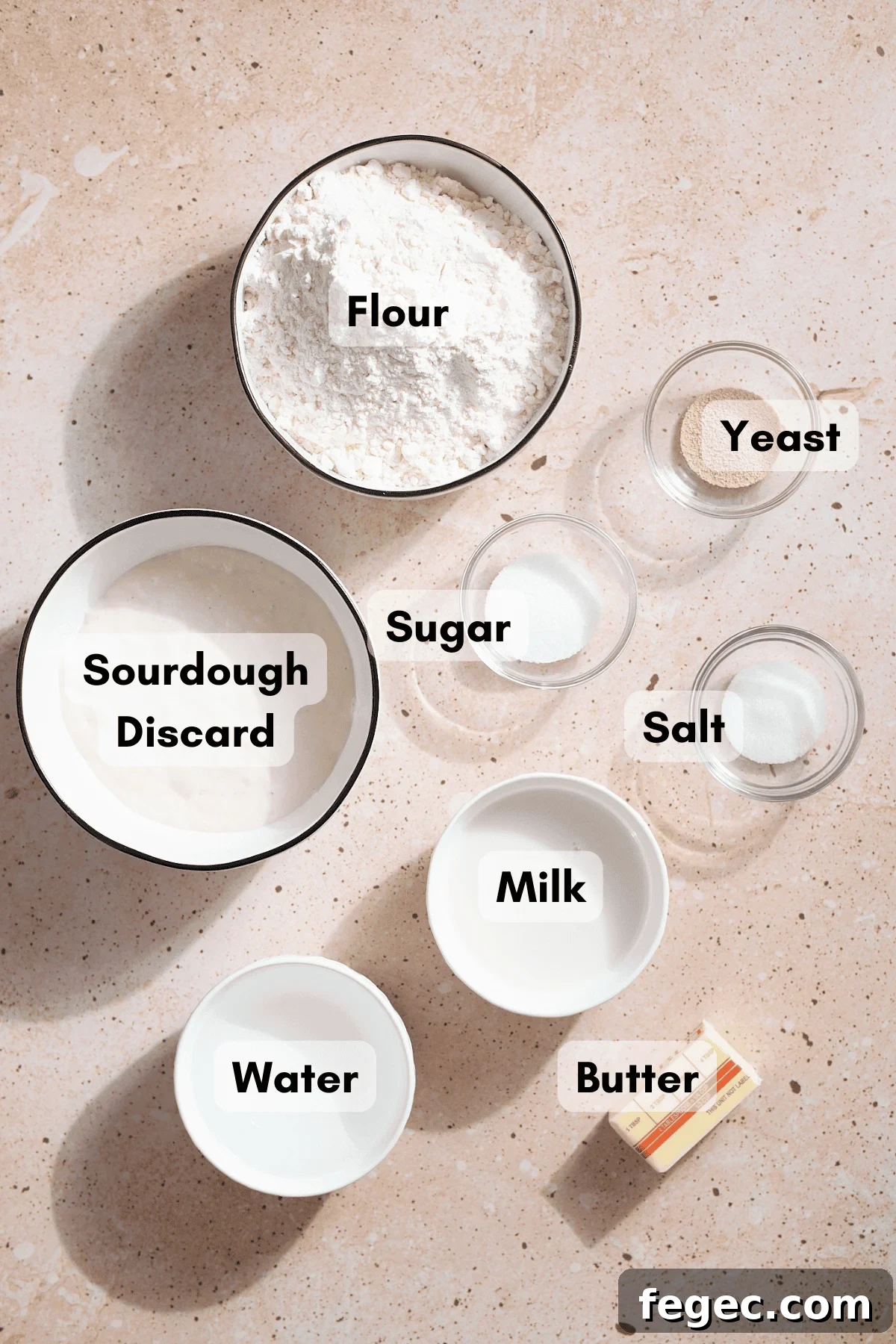
- Water: Warmed to about 110°F to activate the yeast. Avoid temperatures over 120°F which can damage yeast.
- Sourdough discard: Use unfed discard at room temperature. This recipe is calibrated for a starter kept at a 1:1 flour-to-water ratio; adjust slightly if your starter uses a different feeding ratio.
See the full recipe below for exact measurements and step-by-step directions.
Substitutions & Variations
This loaf adapts well to a variety of changes. A few options:
- Use active starter: Omit the yeast and replace the discard with 200g active starter. Allow longer rise times when using active starter.
- Add inclusions: After rolling the dough, add fillings like cinnamon sugar, dried fruit, nuts, or cheese, then roll and bake. Moist inclusions may increase baking time.
- Experiment with flours: Try part or all whole wheat for a heartier loaf, or other flour blends — adjust hydration as needed.
- Make bagels: This dough can be adapted into bagels with method changes and shaping.
How to Make Sourdough Discard Sandwich Bread
The method is straightforward: mix, knead, rise, shape, proof, and bake. A concise overview is below; follow the full recipe section for detailed measurements and timing.
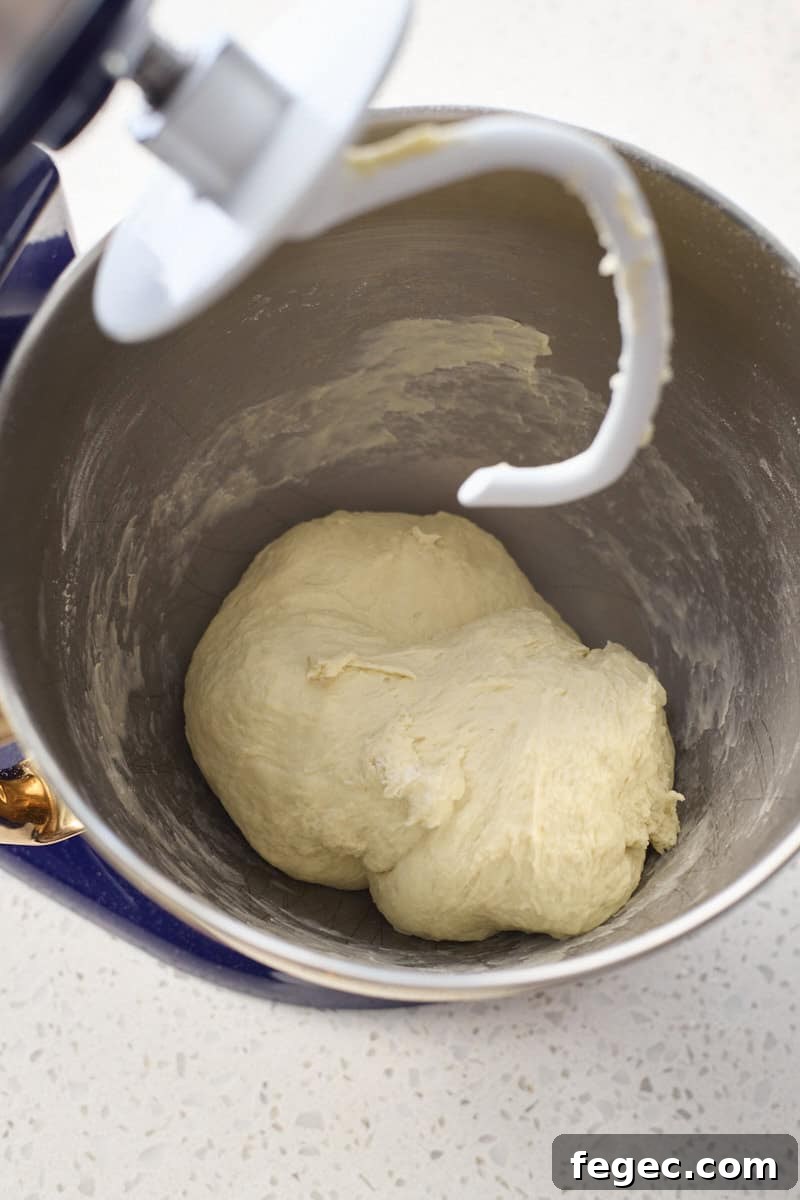
- Step 1: Combine ingredients in a stand mixer fitted with a dough hook or in a large bowl until a rough dough forms.
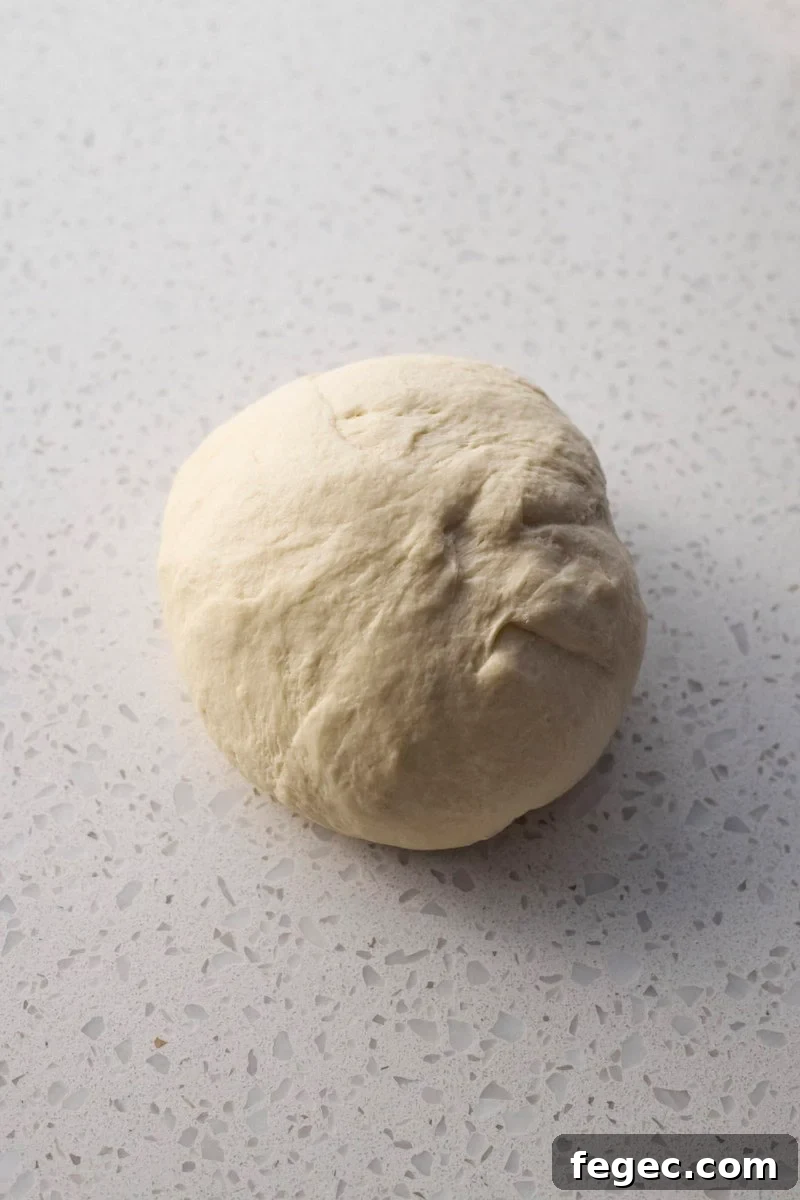
- Step 2: Knead the dough until smooth and soft.
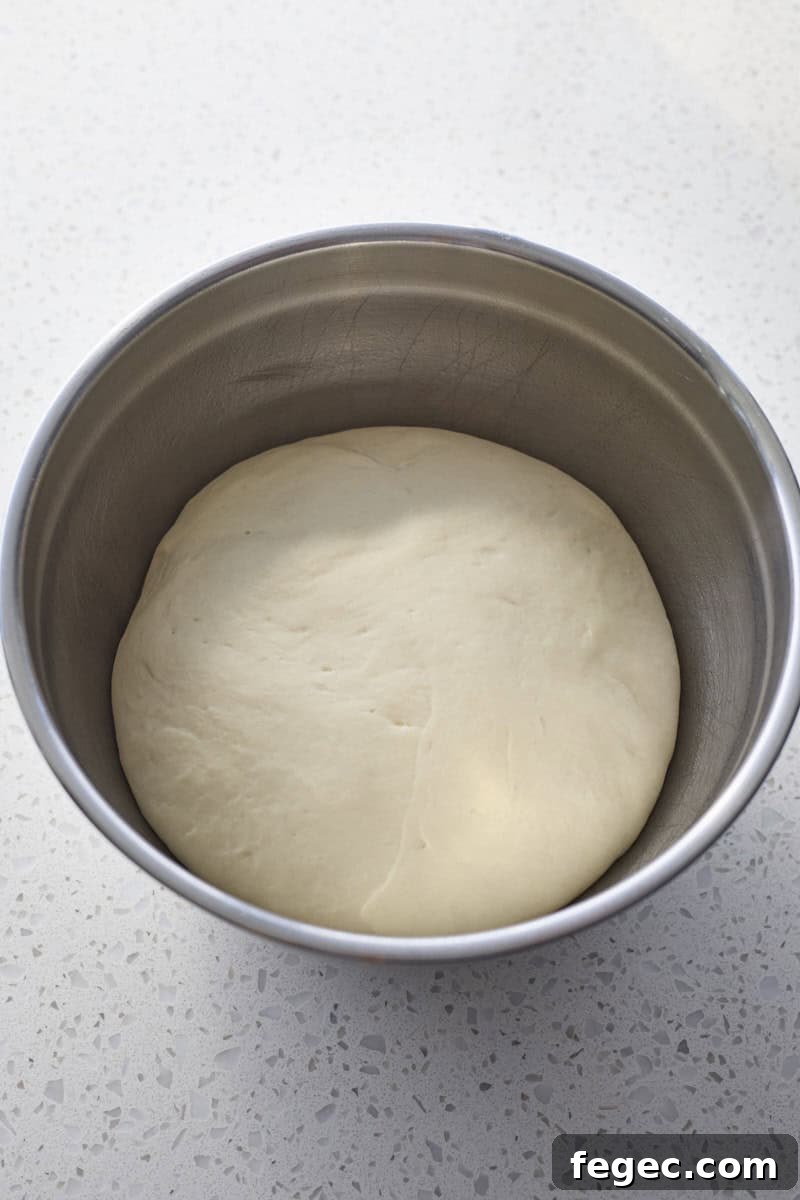
- Step 3: Place dough in a lightly oiled bowl, cover, and let rise 1½–2 hours or until doubled.
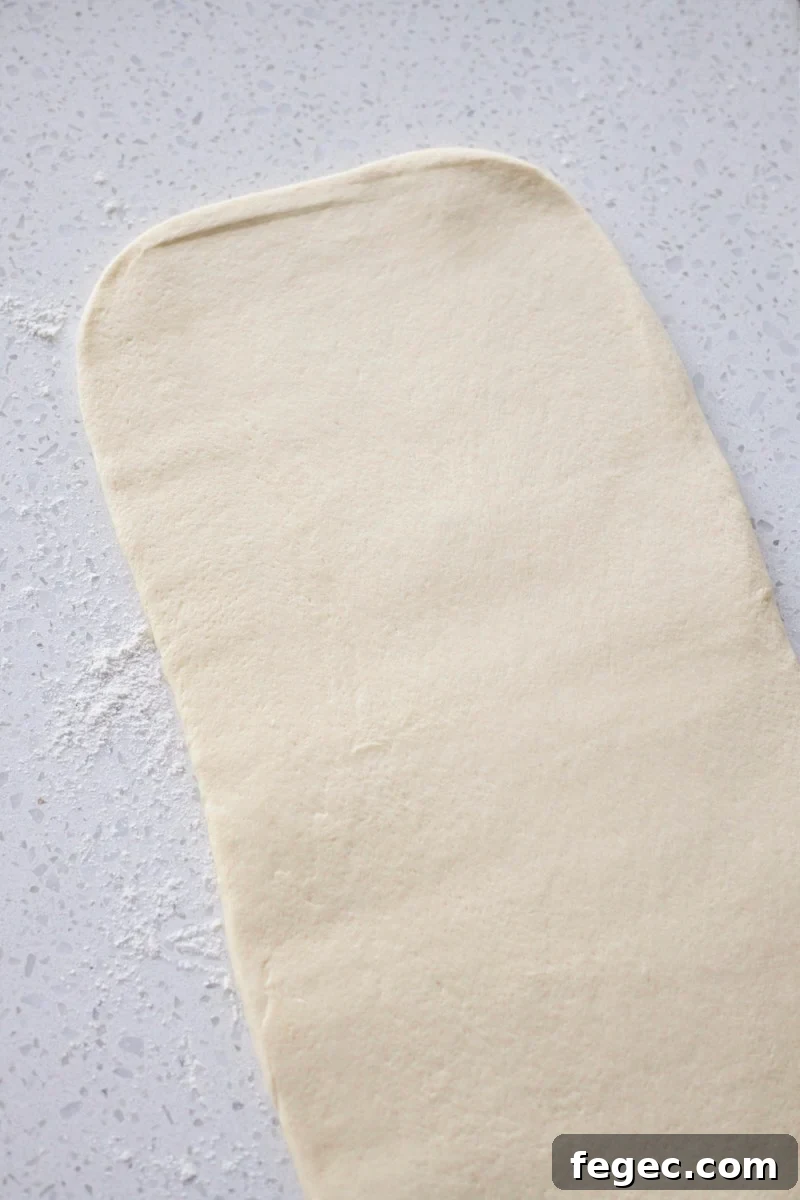
- Step 4: Roll the dough into a 9×18-inch rectangle (width equal to your loaf pan), then roll into a log from the short side.
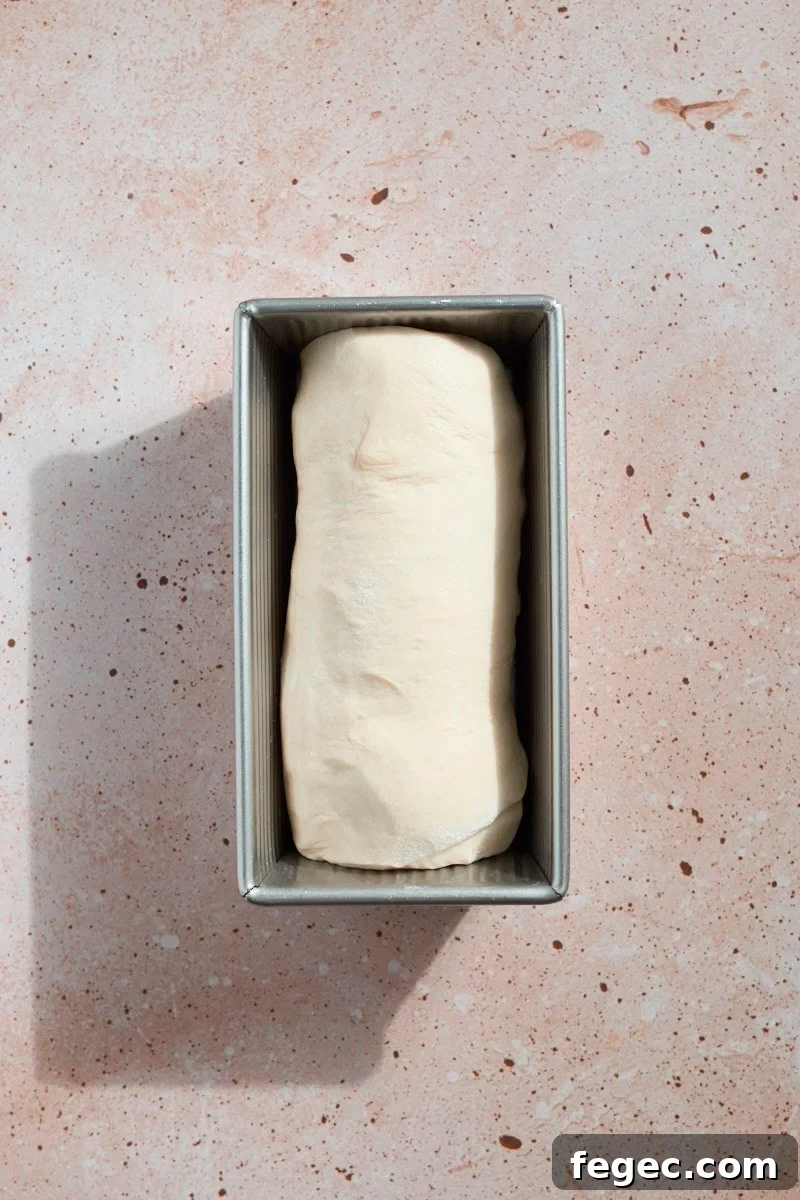
- Step 5: Place the log seam-side down into a greased 9×5-inch loaf pan.
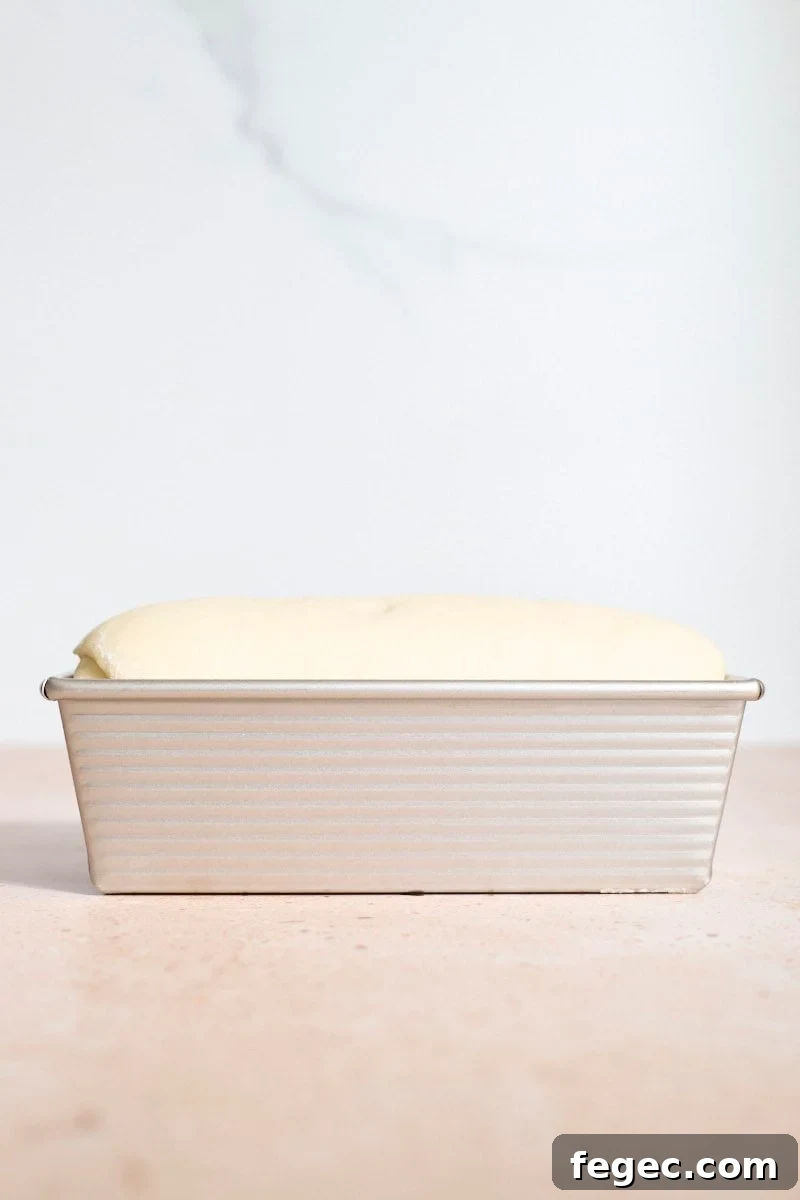
- Step 6: Loosely cover and proof until the dough is about 1 inch above the pan edge.
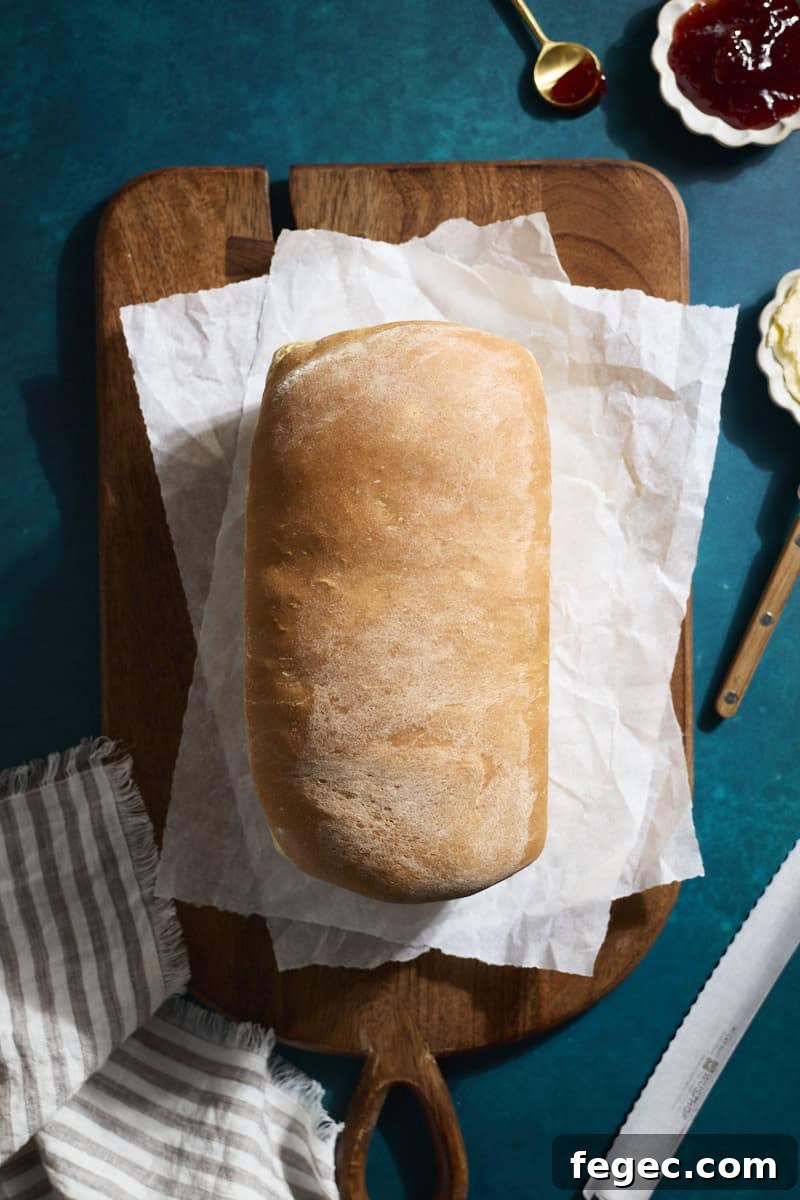
- Step 7: Bake until golden and the internal temperature reaches 190°F.
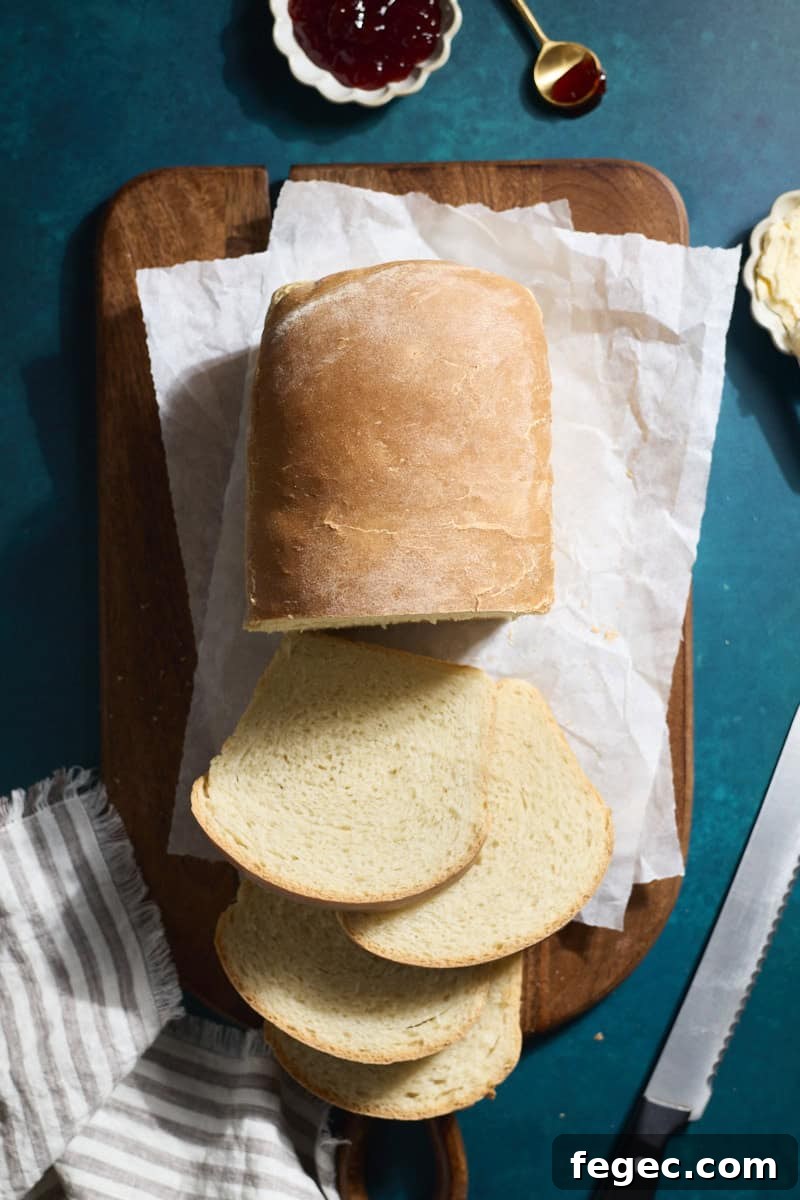
- Step 8: Cool the loaf at least an hour before slicing for best texture.
Expert Baking Tips
- Knead until smooth and soft. Proper kneading develops gluten and gives the loaf structure. When in doubt, knead a bit longer.
- Match the dough width to your pan. Rolling wider than your pan leads to uneven shaping and bumpy sides.
- Shape like a burrito. Roll the dough into a uniform log — not overly tight, but not loose — and set seam-side down in the pan.
- Cover the dough loosely during the second rise. Grease the plastic wrap so it won’t stick, but leave room for the dough to expand.
- Check doneness by temperature. An internal temperature of 190°F indicates a fully baked sandwich loaf.
Shaping the Loaf
Good shaping leads to an even loaf that slices well. Keep these points in mind:
- Keep width in check: The rolled rectangle should match the width of your pan.
- Roll consistently: Aim for an even thickness across the log to avoid one side rising more than the other.
- Place seam-side down: The ends will seal against the pan during baking.
- Cover loosely for final proof: Use greased plastic wrap or a clean towel so the dough can rise without being restricted.
Storage
Room temperature: After the loaf cools completely, store in an airtight bag or container for up to 3 days.
Freezer: Once fully cooled, wrap the whole loaf or individual slices in a freezer-safe bag with excess air removed and freeze up to 2 months.
- Thaw whole loaf: Let thaw at room temperature, then refresh in a 350°F oven until warmed through before slicing.
- Thaw slices: Thaw at room temperature or toast directly from frozen.
Recipe FAQs
Sourdough discard is the portion of starter removed when you feed your starter. Instead of tossing it, use it in recipes like this sandwich bread to add flavor and reduce waste.
A reliable visual cue is the dough rising about 1 inch above the edge of the loaf pan. At that point, the loaf is usually ready to bake.
Use an instant-read thermometer: the loaf is done when the internal temperature reaches around 190°F. Appearance and a hollow tap can also help, but temperature is most consistent.
More Sourdough Discard Bread Recipes
-
Sourdough Discard Whole Wheat Sandwich Bread
-
Easy Sourdough Discard Bread
-
Sourdough Discard Cinnamon Raisin Bread
-
Sourdough Discard Brioche Bread
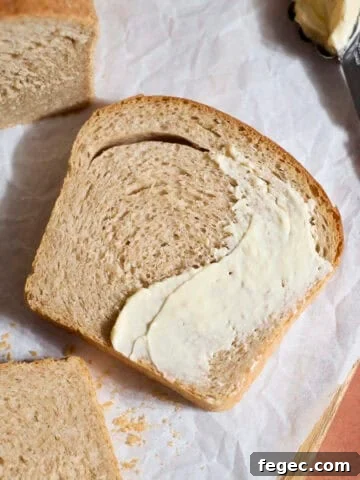

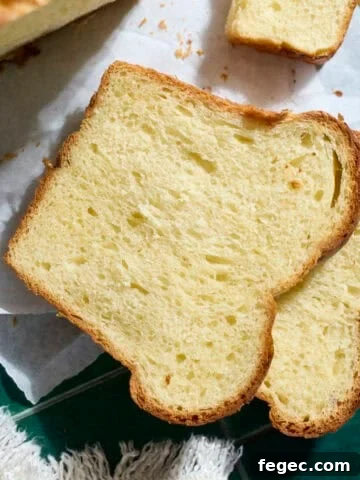
If you tried this Sourdough Discard Sandwich Bread, please leave a star rating and share how it turned out in the comments. Happy baking!
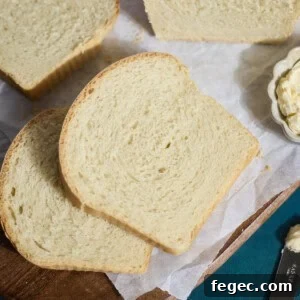
Sourdough Discard Sandwich Bread
Jessica Vogl
Equipment
-
Kitchen scale
-
9×5-inch baking pan
-
Rolling pin
-
Kitchen thermometer
Ingredients
- ½ cup water warmed to 110℉
- ¼ cup + 1 Tablespoon non-dairy or regular milk warmed to 110℉
- 1 Tablespoon granulated sugar
- 1 ¼ teaspoons active dry yeast
- 3 cups + 1 Tablespoon all-purpose flour
- 200 grams (about ¾ cup) sourdough discard unfed, at room temperature
- 1 ½ teaspoons kosher salt
- 4 Tablespoons unsalted butter melted
Instructions
-
Combine warm water and warmed milk in the bowl of a stand mixer fitted with a dough hook (or use a large bowl). Add the sugar, then sprinkle the yeast on top. Let sit 5 minutes until foamy. If the yeast doesn’t foam, use fresh yeast.
-
Add the flour, sourdough discard, and salt. With the mixer on low, slowly pour in the melted butter and mix until a rough dough forms and pulls away from the bowl.
-
Turn the dough onto a smooth surface and knead 4–5 minutes until soft and smooth. Adjust with 1 tablespoon of flour or water at a time if sticky or stiff. Place in an oiled bowl, cover, and let rise 1½–2 hours until doubled.
-
Grease a 9×5-inch loaf pan and set aside.
-
On a lightly floured surface, roll dough into a 9×18-inch rectangle (9 inches should match pan width). Roll from the short side into a log, transfer seam-side down to the pan, and tuck ends as needed.
-
Loosely cover with greased plastic wrap or a towel and let rise about 1 hour until dough is ~1 inch above the pan edge.
-
Preheat oven to 350°F. Bake 40–45 minutes until golden and internal temperature reaches 190°F.
-
Cool in the pan about 10 minutes, then transfer to a rack and cool fully (about 1 hour) before slicing.
Video
Notes
To use active starter: Omit the yeast and use 200g active starter in place of the discard, then increase rise times as needed.
Try the whole wheat variation for a heartier sandwich loaf.