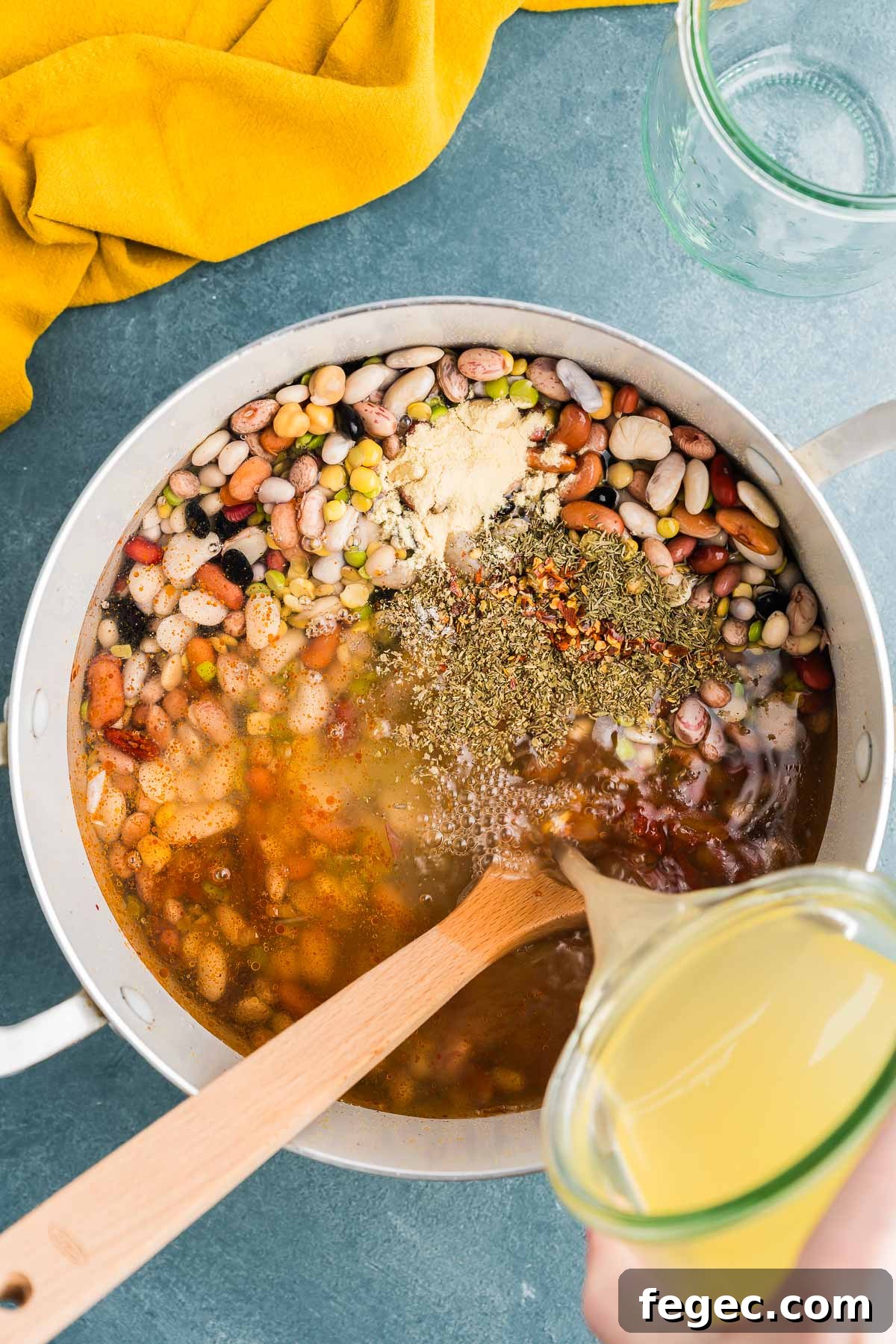
Before you learn how to season soup with everyday pantry staples, it helps to understand the basics of what makes a pot of soup taste good.
Making soup taste great isn’t complicated. Most of the time a bland pot only needs a few simple adjustments from ingredients you already have. Over the years I’ve picked up easy tricks that reliably improve flavor — the practical, no-fuss techniques I reach for during soup season when I just want dinner on the table.
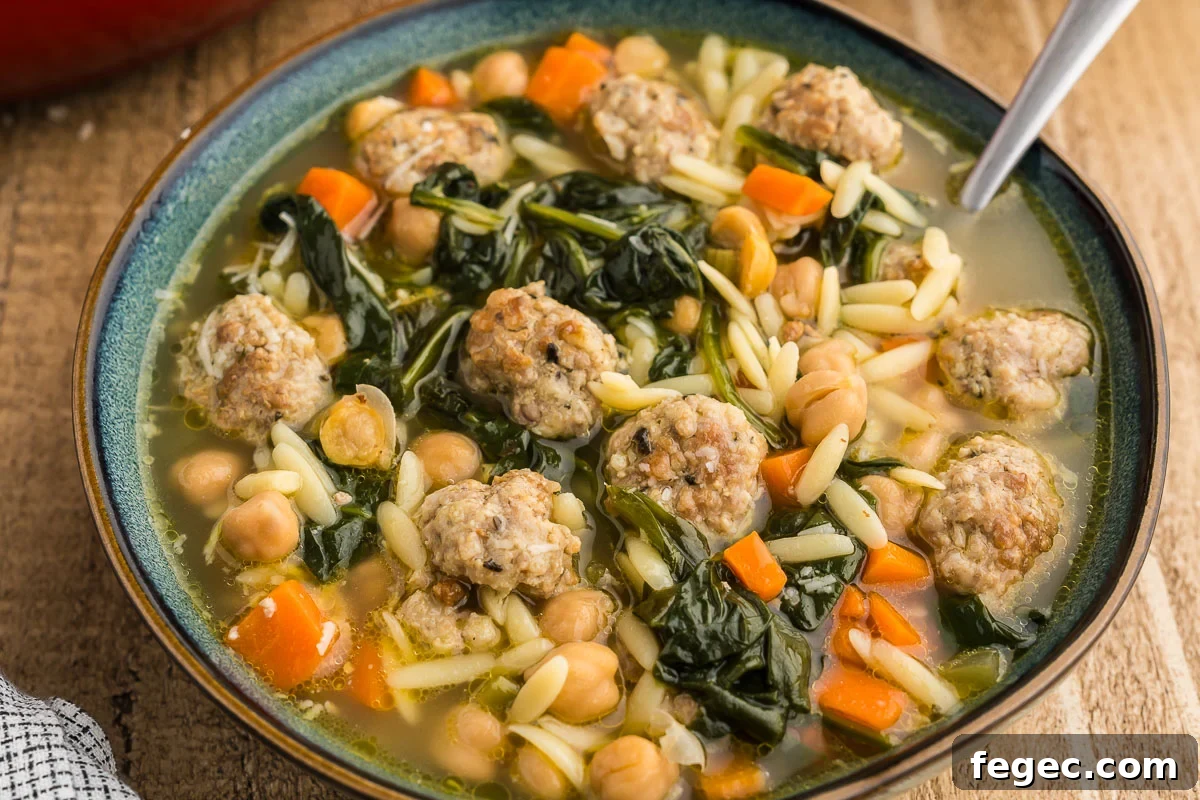
How to Season Soup: The Basics
When it comes to seasoning soup, salt and acidity matter most.
- Salt and simple spices: Table salt, black pepper, garlic powder, chili powder, Italian seasoning, red pepper flakes, and a bay leaf build a quick savory foundation.
- Fat for richness: Olive oil, butter, heavy cream, or coconut milk round out brothy soups and tame sharp edges.
- Acid: Fresh lemon juice or a splash of vinegar brightens everything instantly — a squeeze or two of lemon can elevate many recipes.
- Hot sauce: Adds brightness, acidity, and heat all at once and works in more soups than you might expect.
Once these elements are in place, most soups already taste noticeably better.
Pantry Staples That Add Depth
When a soup needs more body or flavor and you don’t want to run to the store, these pantry items are my go-to fixes.
- Tomato paste: Adds umami and deeper color; great for thickening and enriching broths.
- Soy sauce: Quick savory depth without changing the character of the soup.
- Worcestershire: Adds mild tang and warmth that layers well with beef or vegetable bases.
- Dijon mustard: A quiet hero in creamy or chicken-based soups for subtle complexity.
- Broths and stocks: Using a good chicken or vegetable stock strengthens the base more than water does.
- Canned tomatoes: Provide acidity, texture, and body.
- Sour cream: Stirred in at the end, it softens sharp flavors in creamy soups.
- Bacon fat: Rendering bacon in the pot builds a smoky, salty base; reserve the crispy bits to crumble on top for texture.

Go-To Spices to Season Soups
Simple spices do the heavy lifting in most kitchens. Keep these near the stove for quick flavor boosts.
- Garlic powder: Fast way to add savory depth.
- Onion powder: Brings slow-cooked onion flavor without chopping.
- Curry powder: Warm and cozy with sweet potatoes, root vegetables, or squash.
- Chili powder: A staple for chili and taco-style soups.
- Ground cumin: Earthy and warm; pairs well with tomatoes, beans, and chicken.
- Ground coriander: Gentle and bright; balances heavier vegetables.
- Cayenne pepper: A small pinch wakes up broth without making it overly spicy.
- Paprika (including smoked): Adds warmth and subtle sweetness; smoked paprika brings gentle smokiness.
- Italian seasoning: An all-in-one blend for brothy soups with chicken, vegetables, or pasta.
- Thyme leaves: Classic for chicken noodle and vegetable soups.
- Bay leaves: Provide slow-building savory depth.
- Cinnamon sticks: A small stick brightens chili, squash soups, and tomato-based stews.
- Ground ginger: Great in carrot or squash soups.
- Dried parsley: Mild, helps round out vegetable-based soups.
- Black pepper: Freshly cracked tastes livelier and sharpens flavor.
- Red pepper flakes: Adjustable heat that doesn’t overpower.
- Poultry seasoning: Comforting in chicken or turkey soups.
- Ground turmeric: Adds color and subtle earthy warmth to vegetable soups.
Fresh Ingredients for Extra Brightness
When soup tastes flat, it often needs something fresh instead of more salt. These simple add-ins lift flavor quickly.
- Fresh garlic: Sharper and cleaner than garlic powder; a clove or two makes a big difference.
- Fresh onion: Adds natural sweetness and depth; a little diced onion added toward the end can pull flavors together.
- Fresh herbs: Basil, parsley, cilantro, thyme, or rosemary add color and brightness.
- Fresh vegetables: Bell peppers, jalapeños, tomatoes, leafy greens, and swiss chard contribute texture, sweetness, or acidity.
- Beans and root vegetables: White beans, canned beans, sweet potatoes, and root veg add body and help balance strong flavors.
When Your Soup Needs a Touch of Sweetness
Tomato acidity can sometimes dominate. A small amount of sweetness restores balance.
- Small amounts count: A drizzle of maple syrup or a pinch of brown sugar tames sharp edges, especially in tomato-heavy soups.
Easy Soup Seasoning Profiles
Use these quick profiles to guide the flavor direction of your soup.
- Italian: Garlic powder, Italian seasoning, black pepper, bay leaf, canned tomatoes, and lemon juice.
- Mexican-inspired: Chili powder, red pepper flakes, garlic powder, canned tomatoes, and a splash of vinegar or lemon; tomato paste for richness.
- Rustic farmhouse: Thyme, black pepper, bay leaf, garlic powder, root vegetables, sweet potatoes, canned tomatoes, and olive oil.
- Cozy creamy: Garlic powder, black pepper, thyme, heavy cream or coconut milk, and a spoonful of sour cream.
- Bright and fresh: Fresh basil, tomatoes, bell peppers, lemon juice, and olive oil.
- Indian-inspired: Curry powder, ground coriander, cayenne, coconut milk, and a touch of maple syrup.
- Umami-rich: Soy sauce, tomato paste, Worcestershire, garlic powder, and a bay leaf.
- Comfort-classic: Italian seasoning, garlic powder, canned tomatoes, chicken stock, and a splash of lemon or vinegar.
How to Season Chili
Chili loves bold flavors. A few pantry items transform a flat pot into something rich and layered.

- Chili powder and cumin: Essential base flavors.
- Cinnamon: A tiny pinch adds warmth and balance.
- Dark chocolate: Melts into the pot for deep richness.
- Tomato paste: Adds thickness and umami.
- Cayenne: For controlled heat.
- Soy sauce or Worcestershire: Adds savory depth.
- Maple syrup: Balances acidity from tomatoes.
How to Season Chicken Noodle Soup
Chicken noodle soup is simple to make but easy to under-season. These basics keep it comforting and bright.
- Garlic powder and black pepper: Essential base.
- Thyme leaves: Warm and comforting.
- Bay leaf: Adds slow-building savory flavor.
- Italian seasoning: Familiar and cozy.
- Fresh lemon juice: Brightens the broth.
- Fresh herbs: Adds color and freshness.
- Olive oil: Rounds out the mouthfeel.
How to Season Vegetable Soup
Vegetable soup is flexible and forgiving. Use these tips to boost flavor.
- Italian seasoning and garlic powder: Reliable starting point.
- Soy sauce: Enhances vegetable savoriness.
- Curry powder or ground coriander: Adds cozy depth.
- Fresh herbs: Keep the soup bright and lively.
- Root vegetables or sweet potatoes: Add body and balance acidity.
- Lemon juice or vinegar: Brings lift and brightness.
- Canned tomatoes: Contribute color and savory sweetness.
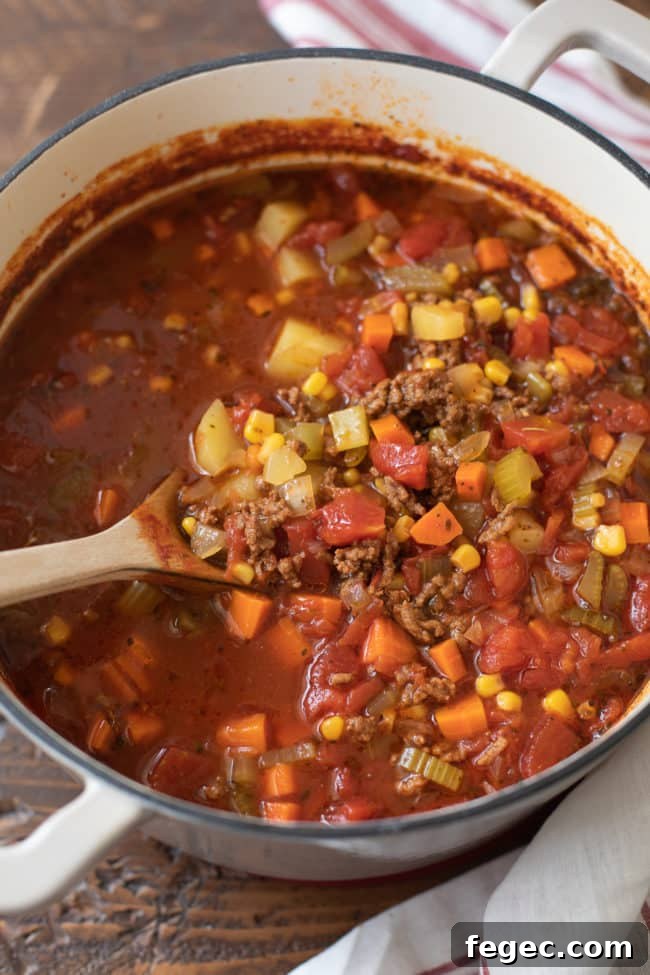
Quick Fix Guide
- If it tastes bland: Try garlic powder, tomato paste, soy sauce, Worcestershire, salt, or a splash of vinegar or lemon juice.
- If it’s too acidic: Add heavy cream, coconut milk, or a little sweetener.
- If it’s too salty: Add unsalted broth or simmer with sweet potatoes or root vegetables to absorb some salt.
- If it’s too thin: Simmer longer, reduce the liquid, or add tomato paste.
- If it’s missing depth: Add soy sauce, Dijon mustard, Worcestershire, or a bay leaf.
Frequently Asked Questions
Here are common questions about seasoning soup and straightforward answers to help you troubleshoot.
Layer simple flavors: start with salt, garlic powder, black pepper, and a bay leaf, then add acid, fat, and umami boosters like soy sauce, tomato paste, or Worcestershire to bring depth.
Add salt, garlic powder, tomato paste, soy sauce, or a splash of vinegar or lemon juice to brighten and deepen the broth quickly.
Italian seasoning, chili powder, curry powder, thyme, ground coriander, and cayenne are versatile spices that build savory flavor without overpowering the soup.
Tomato paste, soy sauce, Worcestershire, canned tomatoes, sautéed aromatics, and slow simmering all help develop deeper, richer flavor.
Use garlic powder, chili powder, curry powder, lemon juice, vinegar, tomato paste, and soy sauce to boost flavor when you’re reducing added salt.
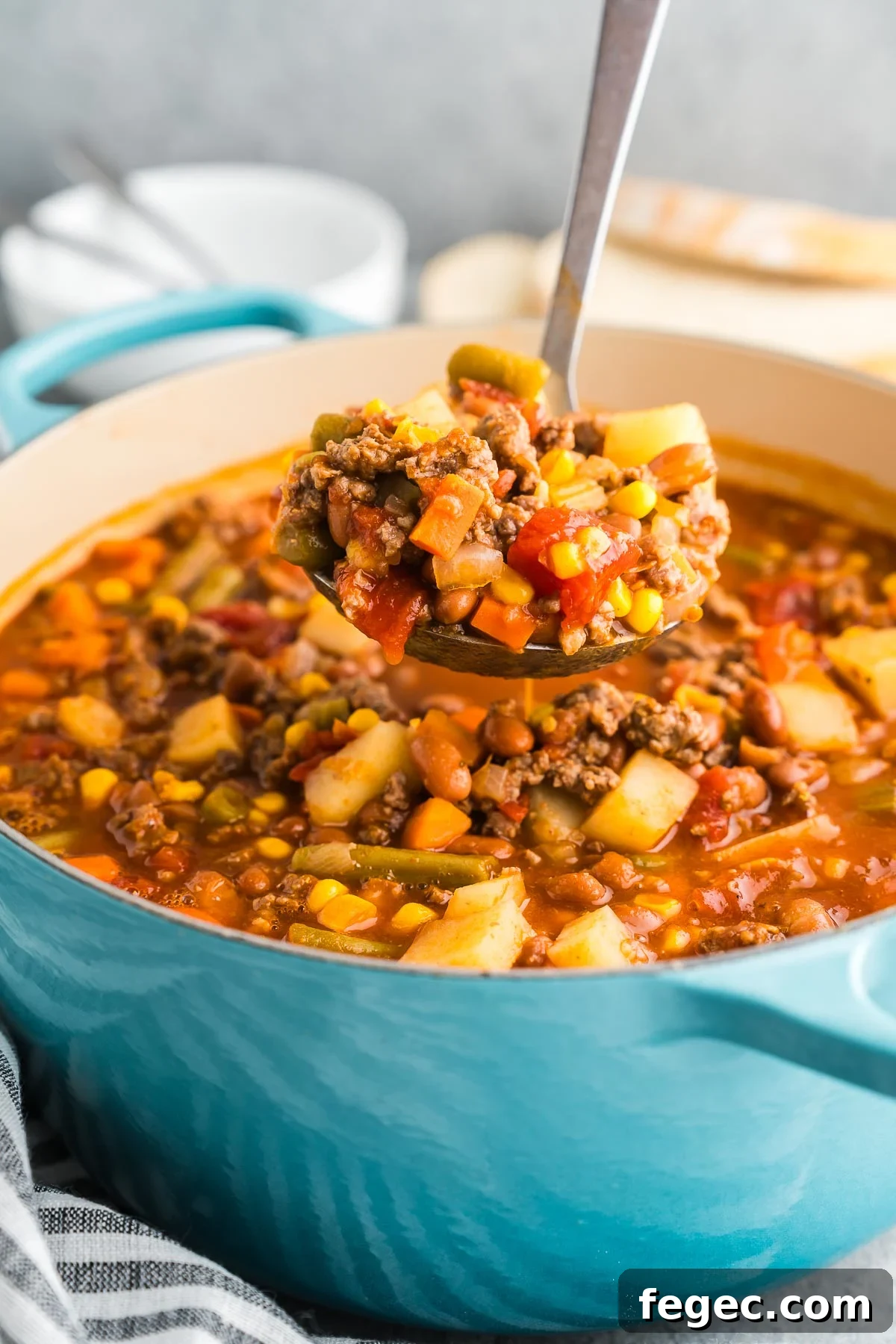
Seasoning Soup Doesn’t Need to Be Complicated
Once you learn how to season soup with a few simple pantry ingredients and fresh touches, you can turn almost any pot into a warm, comforting meal. Most soups only need small tweaks rather than complete overhauls.
With basic pantry staples, fresh herbs, and a few smart combinations you can make soups your family will ask for again. And many soups taste even better the next day after the flavors have had time to meld.
My Go-To Soups
- Crock Pot 15 Bean Soup
- Hamburger Potato Soup
- Potato Corn Chowder
- Crock Pot Spicy Chicken Soup