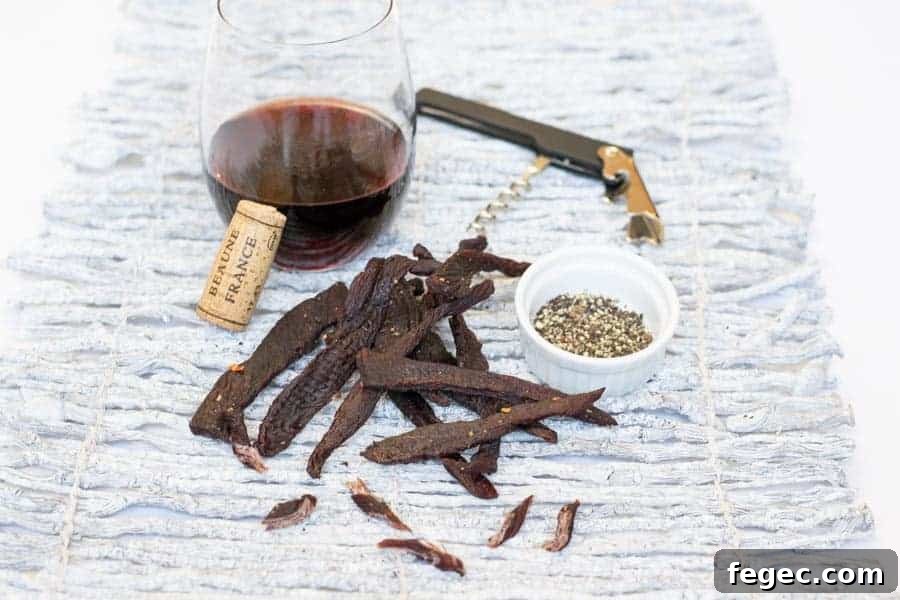
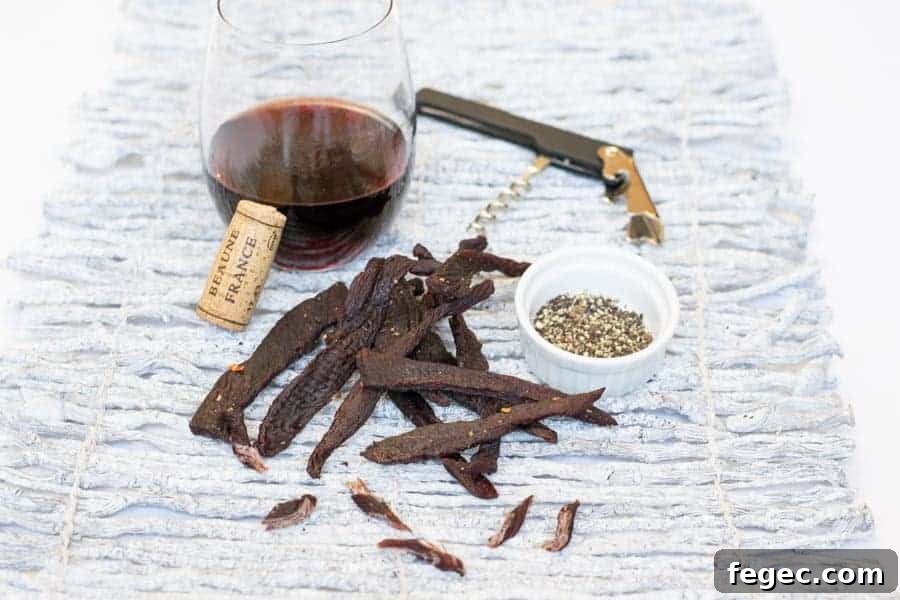
Red wine isn’t just for sipping — it makes a delicious addition to a savory jerky recipe. I love the depth and subtle fruitiness red wine brings, and this Corkscrew Deer Jerky showcases those flavors beautifully.
Slicing the Meat
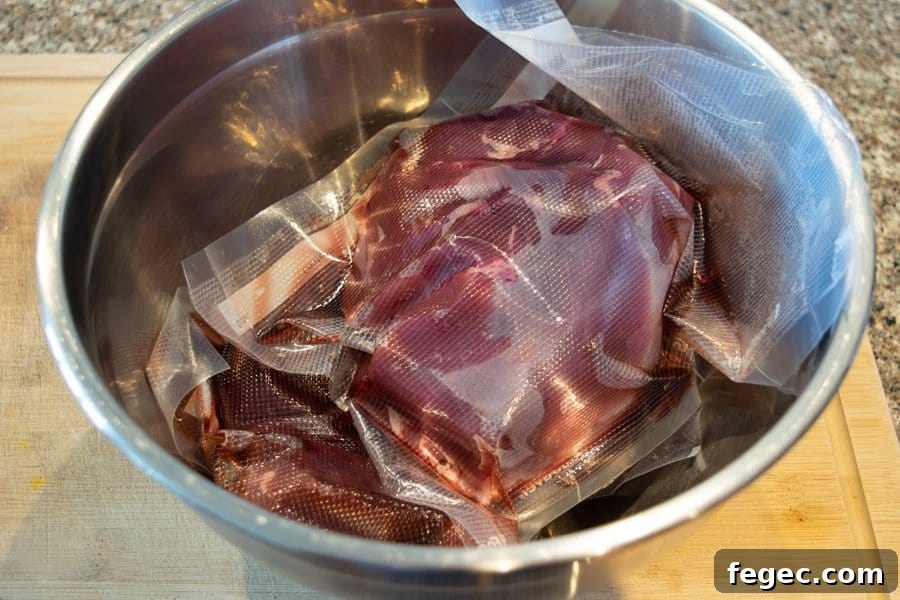
I’ve been using venison from my freezer to make jerky for several months. If you don’t have venison on hand, many local butcher shops sell roasts that work well. I thawed my frozen venison roast in a bowl of cold water kept in the refrigerator. Always defrost meat in the refrigerator rather than leaving it on the counter. Submerging a sealed package in cold water speeds up thawing safely.
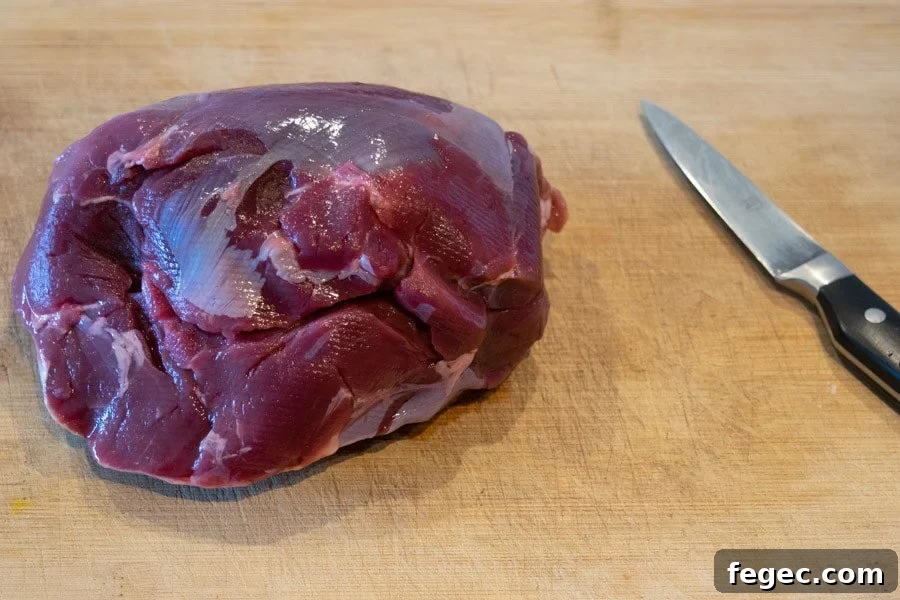
Once thawed and rinsed, trim away as much fat and silver skin as possible. Fat spoils faster than lean meat and will reduce the shelf life of your finished jerky. For consistent slices, I cut the roast into 1″ thick pieces to fit my jerky slicer. A very sharp knife helps when slicing meat that is not partially frozen. If your knife isn’t sharp or you prefer easier slicing, return the meat to the freezer for 1–2 hours so it firms up.
If you have a jerky slicer, feed the steaks through for even strips. You can slice by hand as well — just take your time to achieve uniform thickness. I separated the roast into three one-pound portions to make a few different flavor variations. The photos below show the slices ready for marinating.
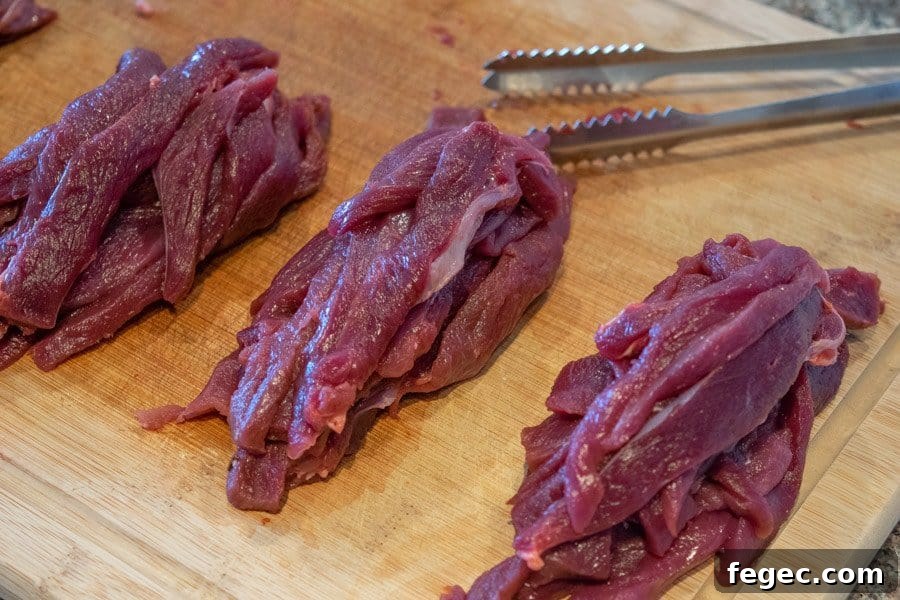
Making the Marinade
This Corkscrew Deer Jerky marinade is simple and relies on pantry staples: red wine, red wine vinegar, soy sauce, beef broth, and a few spices. These ingredients blend to give the jerky a slightly tart, berry-forward profile with savory depth. Start by combining the marinade ingredients in a zip-top bag or shallow dish.
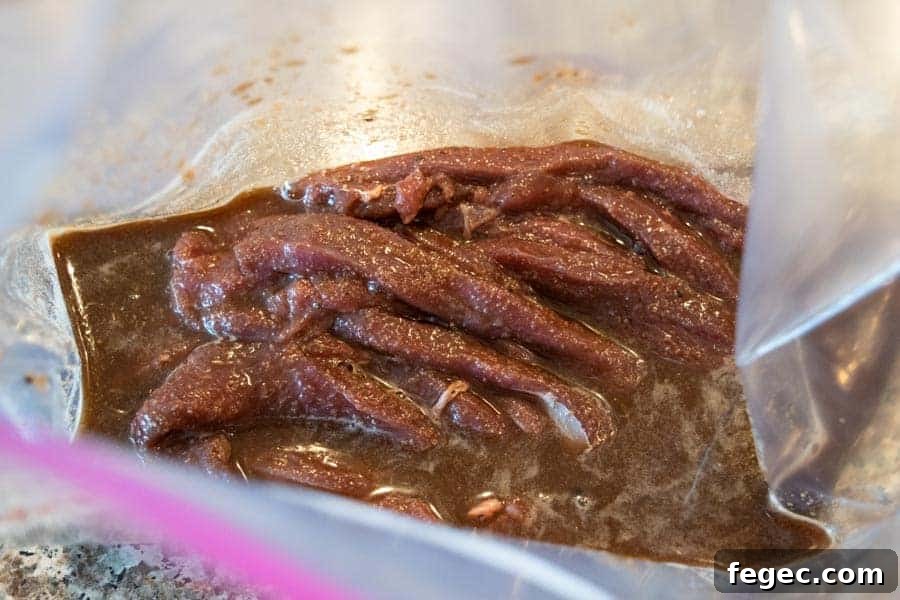
Add the jerky strips, making sure each piece is fully coated. Marinate the meat in the refrigerator for 6–24 hours, turning or massaging the bag every few hours so the flavors distribute evenly. After marinating, remove the strips and allow excess marinade to drain in a colander.
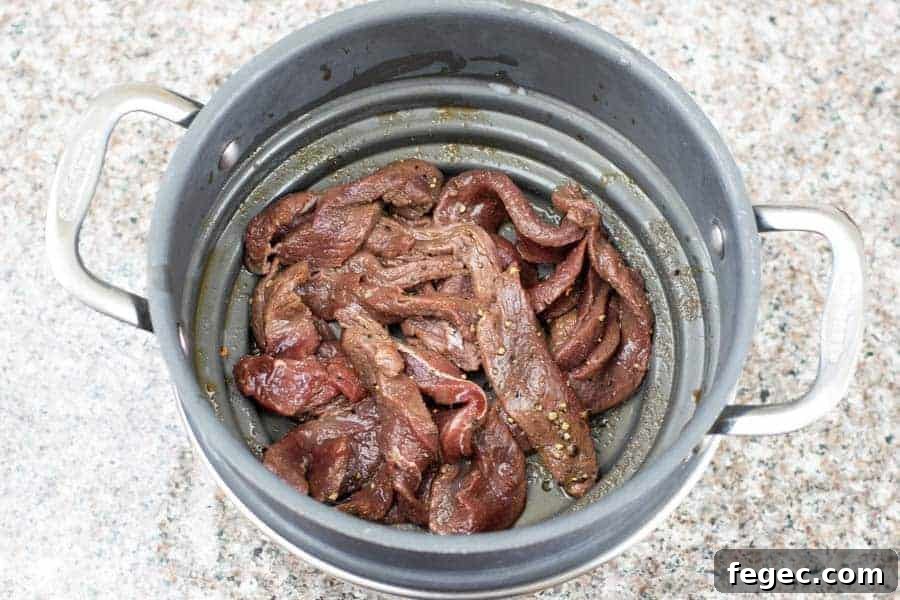
Pat each strip dry with paper towels before drying. Removing surface moisture shortens drying time and prevents a sticky finish. Arrange strips in a single layer on dehydrator trays, oven racks, or smoker grates with space between pieces so air circulates evenly.
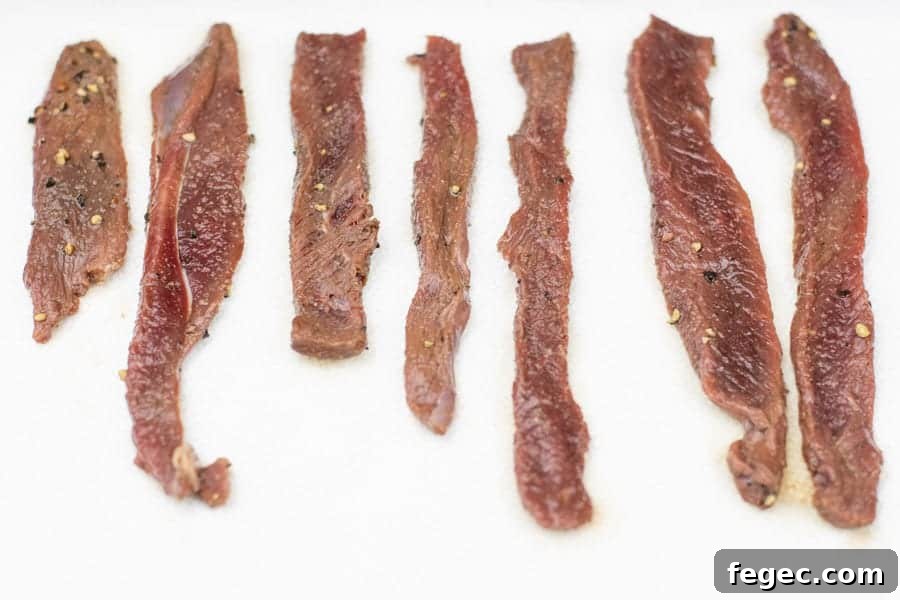
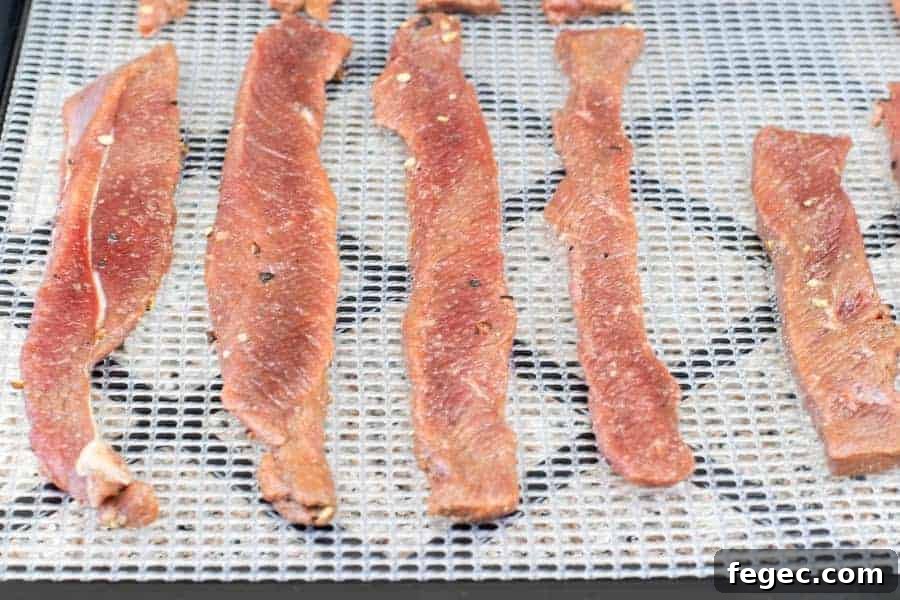
I used an Excalibur dehydrator for this batch and spaced the strips evenly on the trays. You can also use an oven or smoker to dry jerky; temperatures and times vary depending on the method.
Testing for Doneness
Begin checking the jerky around the 3–4 hour mark. Remove a piece, let it cool for about five minutes, then bend it in half. Properly dried jerky will bend and crack but should not snap clean in two. You may also see white muscle fibers when the meat is fully dried. If the sample is still too soft, continue drying and check again hourly.
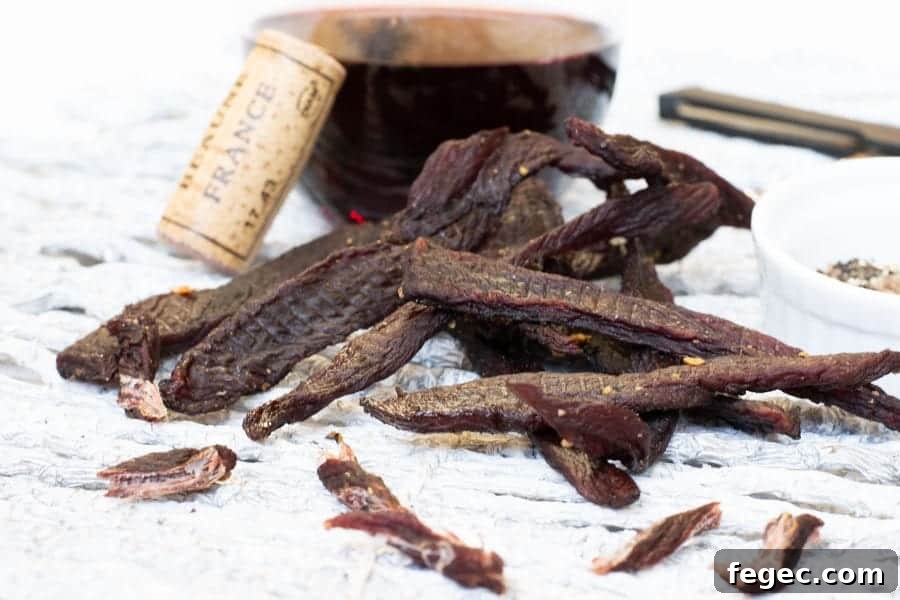
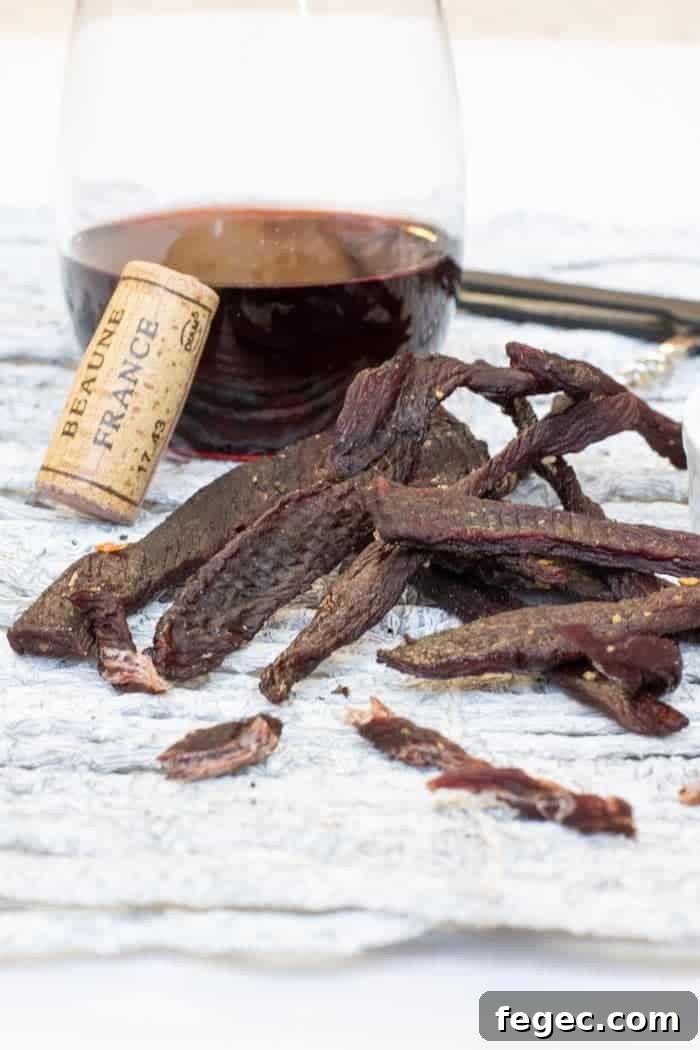
For this batch, drying at 165°F for about 4 ½ hours produced jerky with the ideal texture: slightly tangy from red wine vinegar, a subtle berry note from the wine, and a peppery finish from black pepper. If you preheat or partially cook the meat before drying, total drying time may be shorter.
Storing Jerky
To extend shelf life, remove as much fat as possible and consider using curing salt or celery juice powder. Store finished jerky in airtight containers or vacuum-sealed bags. For longer storage, keep jerky refrigerated or frozen. Proper handling and low moisture content are the keys to safe, long-lasting jerky.
Old Pro Tips:
- Trim all fat from the meat before marinating to make jerky that lasts longer.
- Use curing salt or celery juice powder to extend shelf life.
- Marinate closer to 24 hours for more intense flavor.
- Any red wine works for this recipe; choose one you enjoy drinking for the best flavor profile.

For more in-depth directions on drying methods and temperatures, search reputable jerky-making guides focused on dehydrator, oven, and smoker techniques.
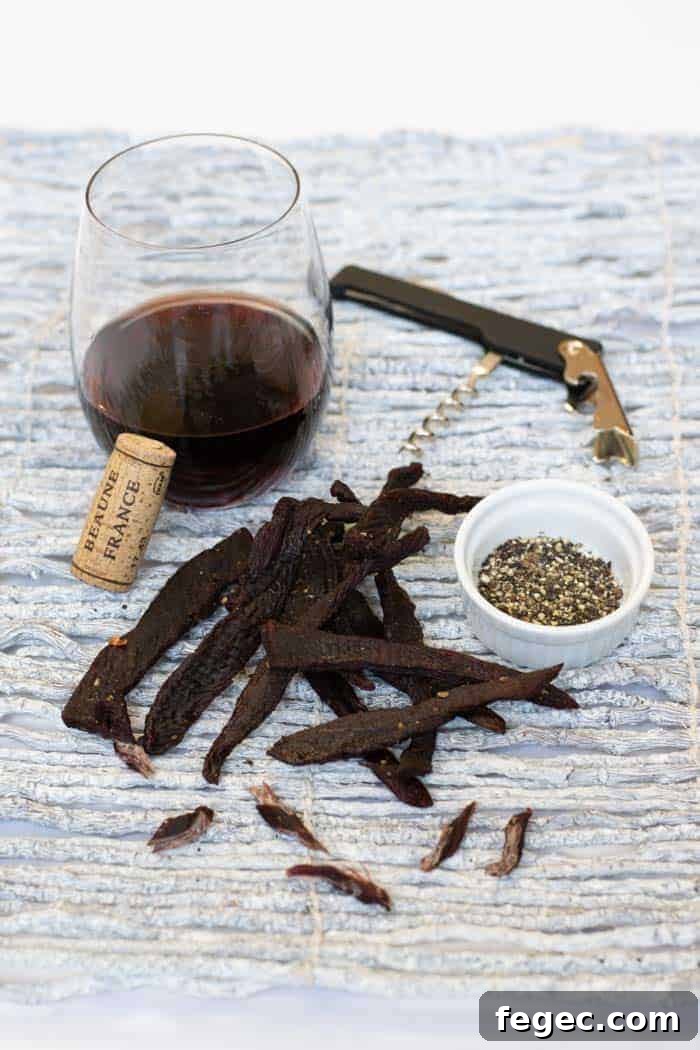
Corkscrew Deer Jerky
Red wine adds brightness and a subtle fruity note to this savory jerky. The combination of wine, vinegar, soy sauce, and spices creates a balanced flavor that pairs well with venison or lean beef.
Ingredients
Lean Meat
- 1 lb Venison or Beef Roast
Marinade
- 1/4 cup red wine
- 2 tbsp soy sauce
- 1 tbsp red wine vinegar
- 1 tsp garlic powder
- 1/2 tsp onion powder
- 1/4 cup beef broth
- 1/4 tsp kosher salt
- 1/2 tsp black pepper
- 1/4 tsp curing salt (optional)
Equipment
- Dehydrator, oven, or smoker (dehydrator recommended for even drying)
Instructions
- Trim all visible fat from the venison or beef and place in the freezer for an hour or two to partially freeze to make slicing easier.
- While the meat is in the freezer, combine the marinade ingredients in a bowl or zip-top bag.
- Remove the partially frozen meat and slice into 1/4″ strips. Slice against the grain for more tender jerky or with the grain for chewier slices.
- Add sliced meat to the marinade and refrigerate for 6–24 hours, turning occasionally to ensure even coverage.
- After marinating, drain excess marinade in a colander and pat strips dry with paper towels.
- Arrange strips on dehydrator trays, oven racks, or smoker grates with space between pieces. Dry using your preferred method. For a dehydrator, dry at 165°F for about 4.5 hours as a guideline.
- The jerky is done when it bends and cracks but does not break in two. White fibers may be visible when the meat is bent or torn.
Pro Tips
- Trim fat well to improve shelf life and reduce rancidity risk.
- Using curing salt or celery juice powder helps extend storage life.
- Longer marinating (near 24 hours) enhances flavor penetration.
- Use a wine you like — the wine’s character will come through subtly in the jerky.
Nutrition
Typical per serving: Calories 128; Carbohydrates 1 g; Protein 21 g; Fat 2 g; Sodium 726 mg; Potassium 326 mg; Iron 3.3 mg.