
When I started this blog I had just left the corporate world after 16 years and knew nothing about blogging. I hadn’t followed blogs before—food or otherwise—and I felt like an online dinosaur at 38. With time on my hands and friends asking for recipes, I decided to give blogging a try.
Thankfully, I figured it out. In a relatively short time this blog grew beyond what I imagined. What began as a simple food blog later expanded to include travel, wellness, and lifestyle topics. Below are the five straightforward steps I used to get started, along with practical lessons I learned along the way.
Let’s dive in:
1. Name your blog and buy the domain
Choose a name that reflects how you want readers to remember your site. Picking a name is often the hardest step. Once you have a name, check that the .com domain is available and register it. Keeping domain registration and hosting with the same company simplifies management.
LESSONS LEARNED: Select a name that’s easy to say, spell, and remember. Also think about whether the name will still fit if your site expands beyond food. A narrowly focused name can lead to a rebrand later, which is best to avoid if possible.
2. Choose a web host
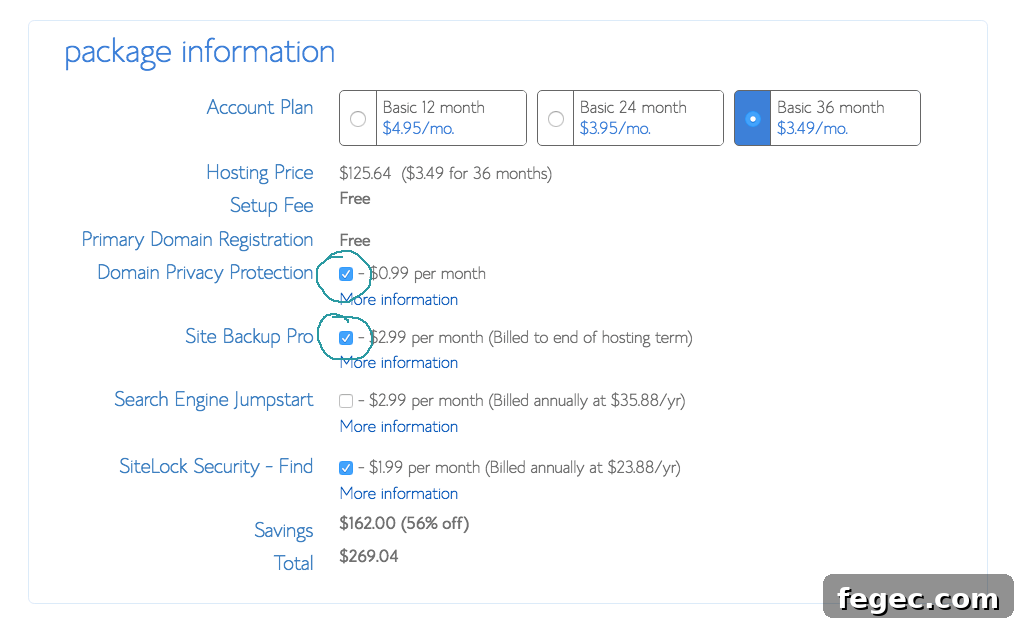
Pick a reliable web host that makes technical tasks simple and offers responsive customer support. A stable host prevents downtime and slow page loads—both of which frustrate readers. For beginners, a shared hosting plan from a reputable provider is typically sufficient. Start with a basic plan and consider add-ons such as domain privacy to protect your personal contact information and automated backups to protect your content.
LESSONS LEARNED: Use a well-regarded host recommended by many bloggers. Consistent uptime and good performance matter—if your site isn’t accessible or loads slowly, readers won’t find your recipes.
3. Install WordPress
WordPress is the content management system used by most blogs. It’s how you’ll add posts, upload photos, manage pages, and control site structure. Many hosts offer one-click WordPress installation and helpful guides. For non-technical users, following visual tutorials makes setup much easier.
LESSONS LEARNED: Choose WordPress for flexibility and long-term growth. Compared with closed platforms, WordPress offers more themes, plugins, and developer support, which is important if you plan to monetize or customize your site later.
4. Install a theme (the layout and look of your blog)
There are many beautiful WordPress themes available. Pick one that looks great “out of the box” so you can spend more time creating content and less time designing. You can tweak fonts and colors later, but initially choose a clean layout with plenty of white space and good typography. Premium themes from established developers provide polished design and reliable support, which reduces future headaches.
LESSONS LEARNED: I learned the hard way that a fully custom-coded site can be unnecessarily expensive and time-consuming. Many excellent off-the-shelf themes offer a professional appearance and easy customization without the ongoing cost of hiring a developer for routine changes.
5. Upload and share your recipes
Once your site is set up, start publishing recipes. Use a recipe plugin to format ingredients, instructions, and cooking times so your posts are easy to read and print. After publishing, promote each recipe: submit photos to food submission sites, pin to Pinterest boards, and share across social media. Consistent sharing drives traffic and helps build an audience.
LESSONS LEARNED: A beautiful site alone won’t attract readers. You must actively promote your content. After publishing a recipe, spend dedicated time submitting, pinning, and posting to social channels so people discover your work.
Final Thoughts:
One unexpected challenge was finding my voice. Moving from a corporate environment to a public blog required vulnerability and practice. My best advice is to start writing and be yourself—type as you speak. Over time you’ll find a tone that feels natural. Following other food bloggers helps too: notice what draws you in—storytelling, humor, photography—and apply those elements to your own style.
I enjoy authentic storytelling and strong photography. Even when I can’t make certain recipes because of dietary preferences, I still appreciate the narrative and visual craft other bloggers offer. Studying favorites helps clarify what resonates with your readers and what you want to emulate.
If you have questions about food blogging—technical setup, photography, media outreach, monetization, or partnerships—ask away. No question is too basic; everyone starts at square one. If there’s enough interest, I’ll share follow-up posts on these topics. Happy blogging!