This post is dedicated to anyone facing mental health challenges and to the loved ones who support them. You are not alone. Writing about this has been difficult, but I felt compelled to share. Your perspective may differ from mine, and that’s okay — our differences are part of what make us human.
About four years ago, after years of denial, I finally sought help. At the time I felt defeated, because in my world therapy had been associated with weakness or insanity. I had never heard anyone say it’s okay not to be okay; the word “therapy” only brought up negative images and stigma for me.
Looking back, that period feels almost like a blur. I was rarely present, so many memories are fuzzy. Still, a few moments stand out clearly — like the day I received my diagnosis. My family was with me when I was told I have BPD (Borderline Personality Disorder). I remember going numb. Later, sitting on the bus home, tears streamed down my face. I couldn’t quite believe it, but I also felt a sense of relief. Finally there were answers for what felt “wrong.”
That relief didn’t last. I immediately remembered the negative things I had been told about people with borderline personality: that they are attention-seeking, dishonest, or manipulative. Back then, I needed someone to show me a kinder, more balanced view of mental illness. In this post I want to offer that perspective and describe what BPD has meant for me — to shine a more compassionate light on something too often misunderstood.
Let me introduce myself.
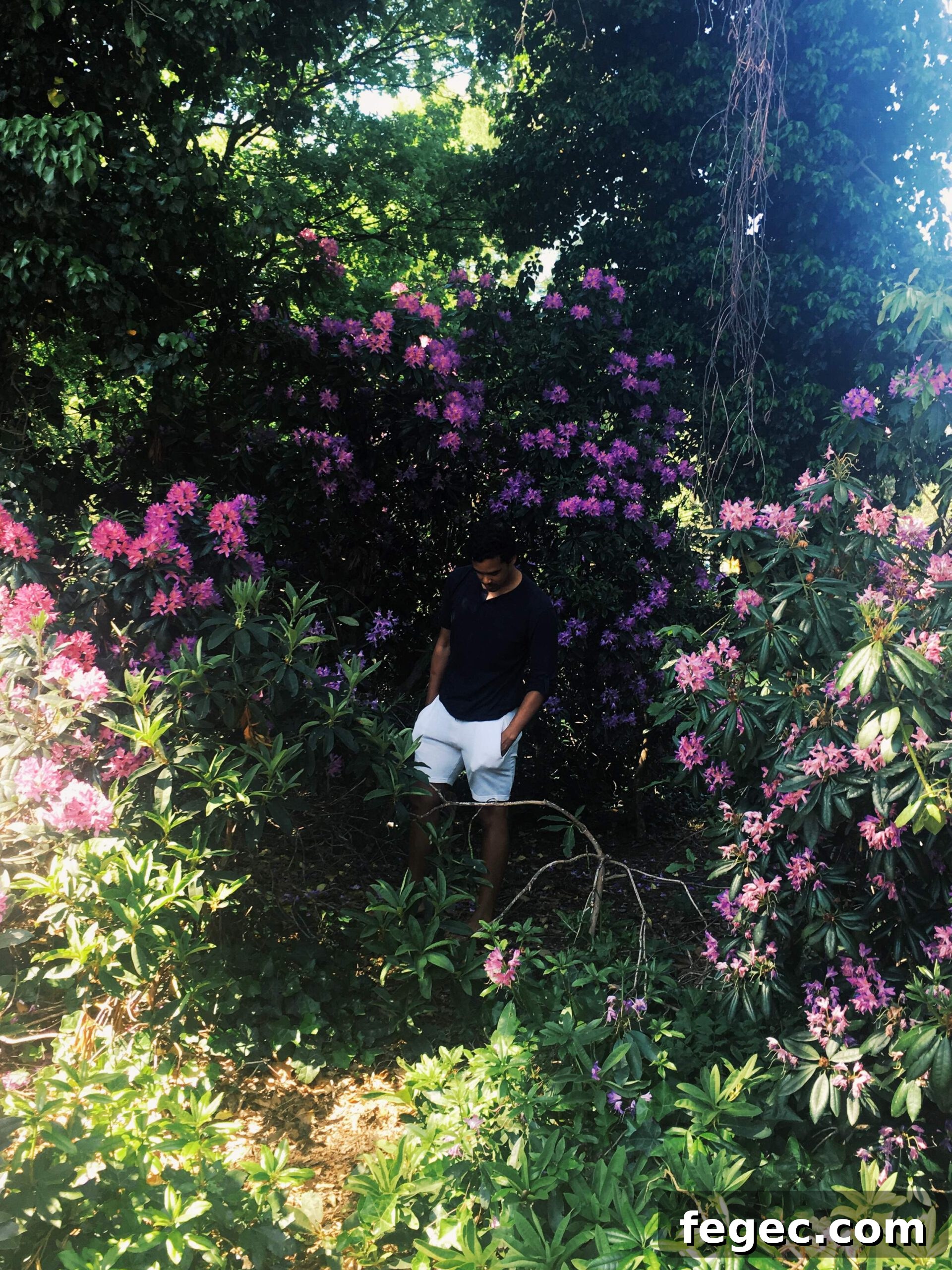
Hi, I’m A.J. I’m an ordinary guy who loves to cook and share meals with family and friends. I’m passionate about yoga and currently training to become a teacher so I can share the practice that brought color back into my life. Through this blog I try to share my joy, whether through plant-based recipes or personal posts like this one. In my free time I enjoy hanging out with friends and discovering new music, which plays a big role in my life. I’m sensitive by nature, which can sometimes feel overwhelming.
I don’t define myself solely by the diagnosis, but I’m not ashamed to tell my story. Without that diagnosis I wouldn’t have been able to get the help I needed. I’m not aggressive, and I don’t lie. Therapy and yoga have taught me to accept emotions without judgment and to let them pass through me. I no longer harm myself and I’m rebuilding connections with people — social media even helped me reach out. Do I believe recovery from BPD is possible? My short answer is yes, though that topic deserves a dedicated post.
After years of therapy and spending time with others who share this diagnosis, I’ve learned that people with personality disorders are not all the same. Negative stories you hear don’t define everyone. Don’t compare yourself or others to those stereotypes — they’re incomplete and often harmful.
What I’ve observed about people in general is simple: we are all human and imperfect. Trying to force yourself or someone else into an image of perfection is pointless because we’re already perfectly imperfect. Never let anyone convince you that you don’t deserve love or self-care. Self-care can take many forms — therapy, yoga, meditation, creative work, or supportive friendships — and all of these are valid.
Today I feel I’m moving toward a brighter chapter in my life. I am gradually needing less therapy and am focusing more of my energy on sharing the things that bring me joy.
I’m not finished talking about mental health; there is much more I want to share to raise awareness and offer hope.
Bless your soul and remember that deep down you are already whole. Sometimes healing is about reconnecting the pieces. And it’s okay not to be okay.
One love and take care,
A.J.