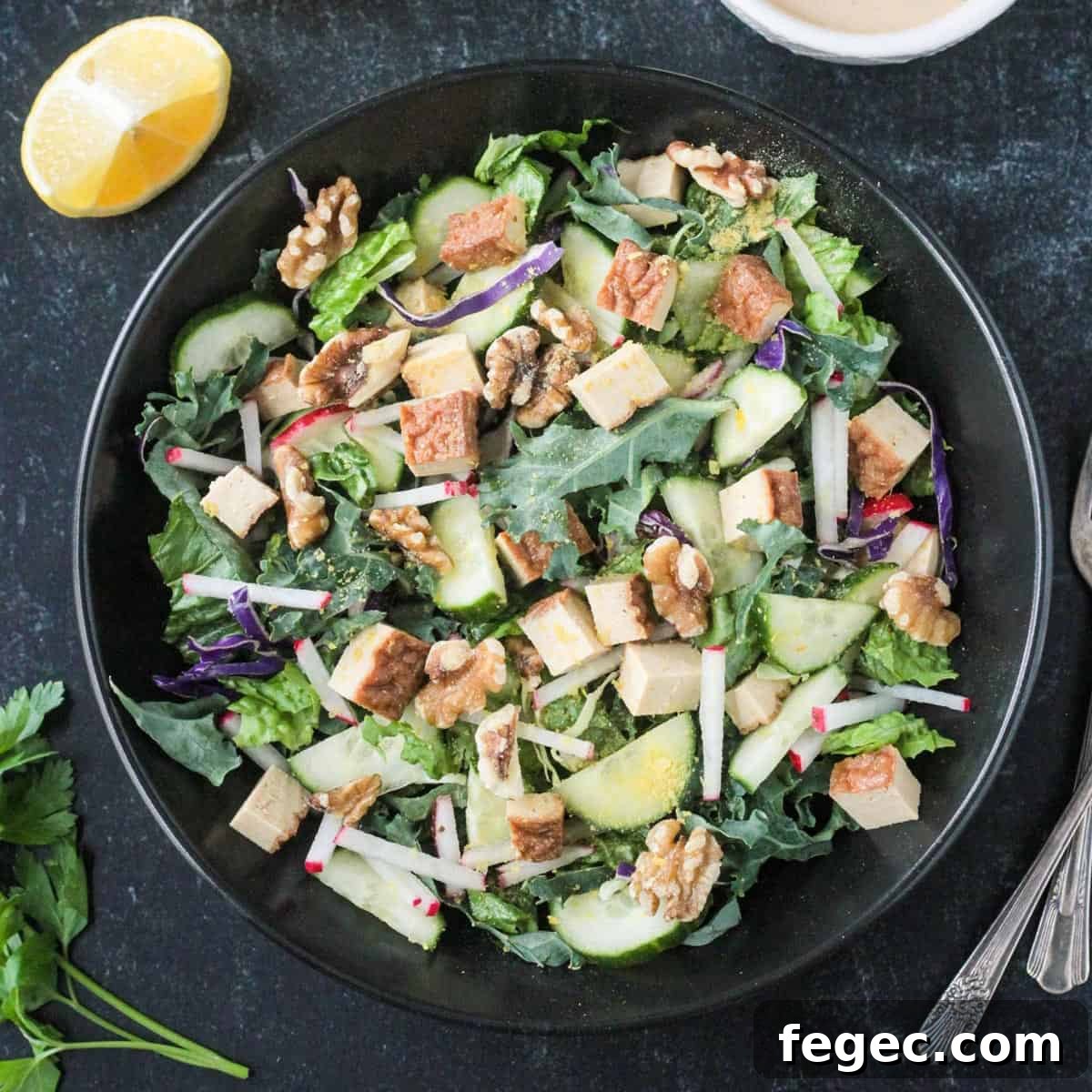
Make hearty, vegetable-packed salads the centerpiece of your dinner table. This Ultimate Guide to Making Salads for Dinner will show you how to build satisfying, nutrient-dense salads that keep you full and energized.
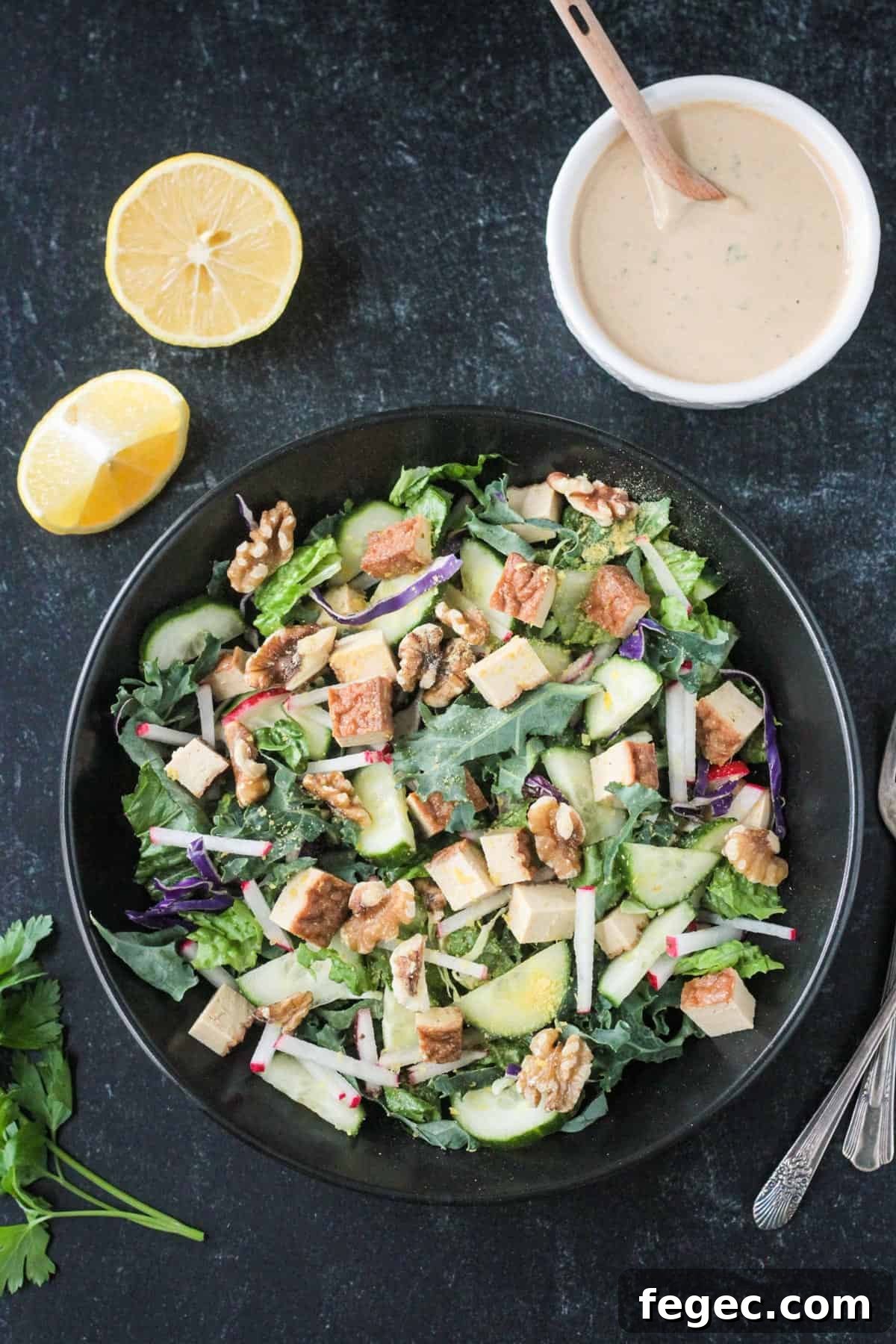
Small side salads have their place, but vegetable-only salads are often low in calories and won’t keep you satisfied for long. When composed thoughtfully, a salad can be a complete, balanced meal.
This guide teaches you how to assemble hearty, delicious dinner salads so you can say goodbye to boring bowls and enjoy a filling plant-forward meal any night of the week.
Benefits of eating salads
Helps meet daily fruit and vegetable needs. Salads make it easy to load up on a variety of fruits and vegetables and can help you meet recommended daily servings when added to your main meal.
Supports hydration. Many salad ingredients—cucumbers, lettuce, celery, melon, and tomatoes—have high water content and contribute to overall hydration.
Customizable to taste. A dinner salad can be adapted to everyone’s preferences. Serve a bowl of mixed greens and offer prepared toppings so each person can build their own plate.
Great for using leftovers. Leftover roasted vegetables, grains, or cooked plant proteins like tofu, tempeh, or beans are perfect additions to main-course salads.
Components of a main-course salad
Greens
Aim for at least 2 cups of leafy greens per serving. Darker greens generally contain more nutrients, but even crisp iceberg adds hydration and crunch.
Leafy greens to try: kale, spinach, arugula, romaine, collards, mustard greens, Swiss chard, dandelion, escarole, and watercress.
Pro tip: Combine two or more varieties for contrasting flavor and texture.
Buy fresh when possible and wash and dry greens thoroughly. Prepackaged mixes are convenient but often don’t stay as fresh and sometimes include tough stems.
Pro tip: Combine 2 or more varieties for taste and texture contrast.
There are exceptions to avoiding bagged greens. Pre-shredded cruciferous mixes and coleslaw blends can be excellent time-savers and hold up well, making them useful for quick dinner salads or stir-fries.
Vegetables
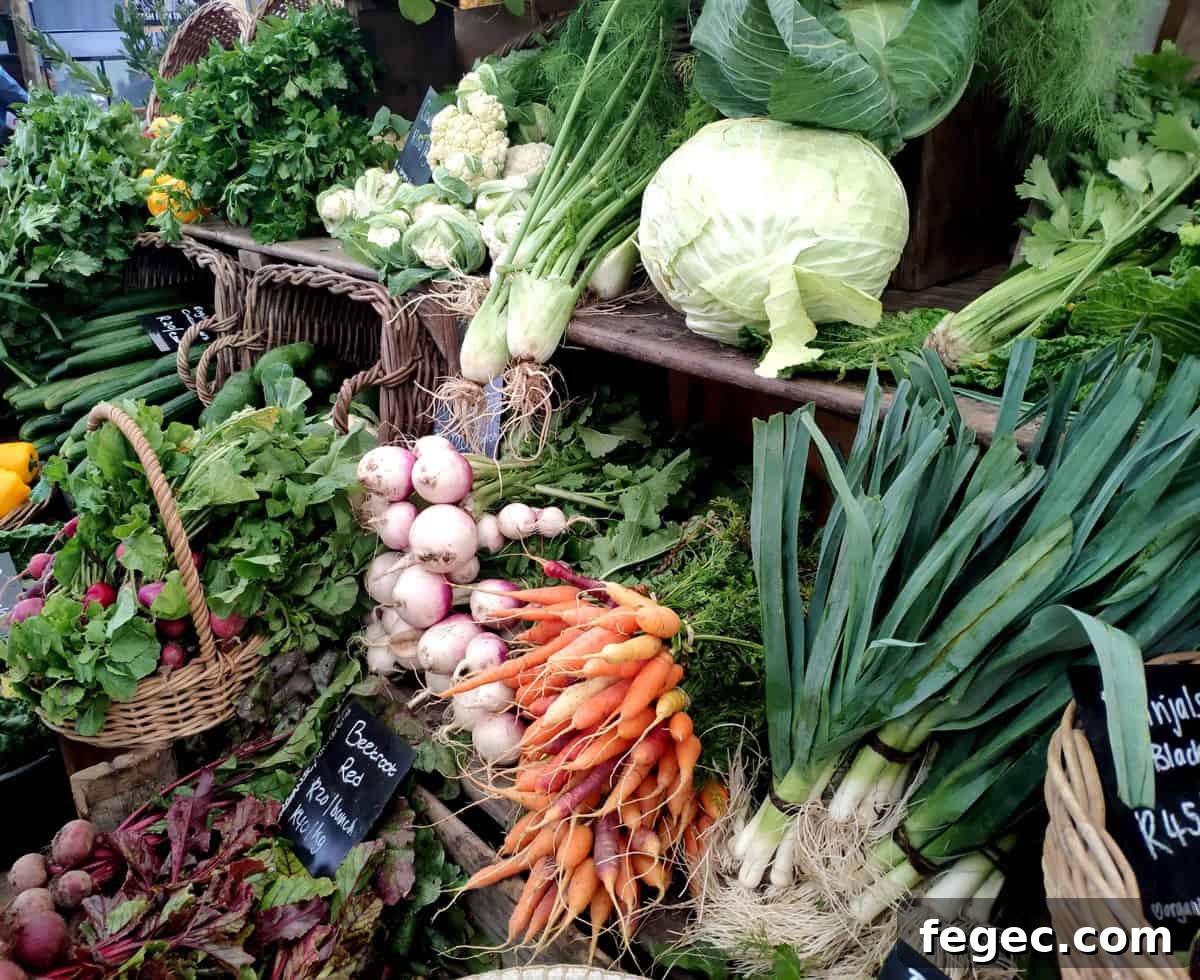
Aim for 1 to 1½ cups of vegetables per serving. Mix raw, steamed, roasted, or grilled vegetables to create contrasts in texture and temperature.
Vary the cuts—diced, sliced, shredded—to keep the mouthfeel interesting. Fresh, seasonal vegetables will give the best flavor and nutrients.
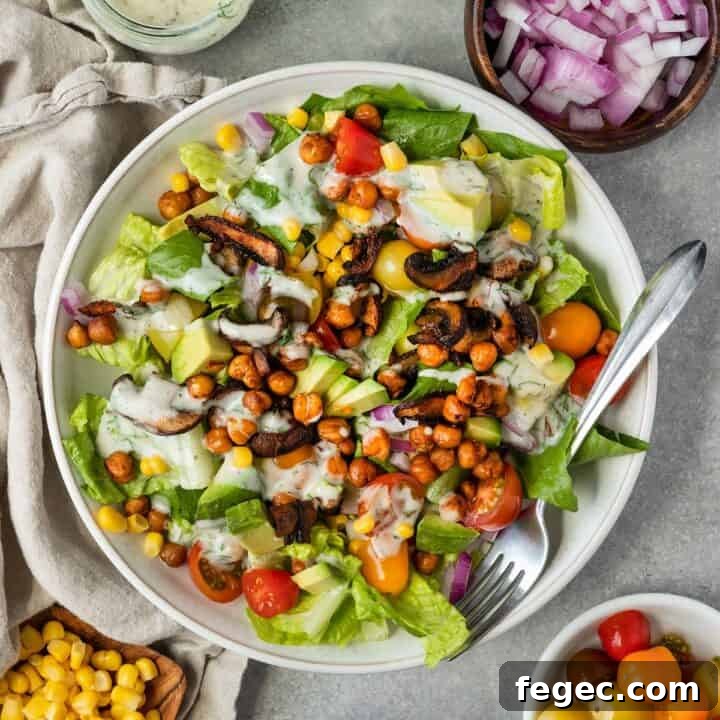
Vegetables to try: cucumbers, tomatoes, carrots, radishes, bell peppers, beets, sweet potatoes, butternut squash, broccoli, cauliflower, cabbage, radicchio, peas, green beans, corn, zucchini, and mushrooms.
Protein
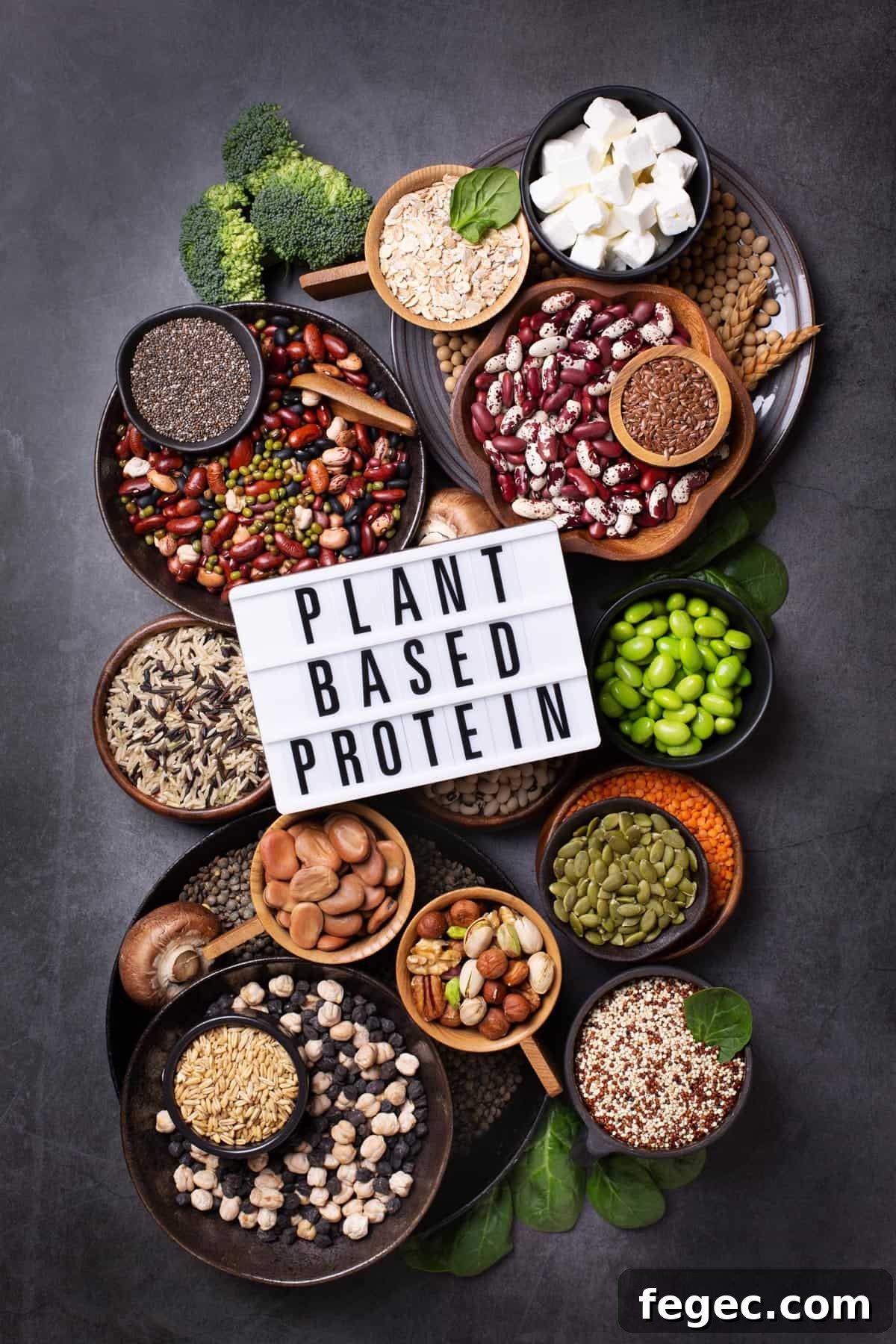
Aim for ¼ to ½ cup of protein-rich ingredients per serving. Including protein turns a salad into a filling meal.
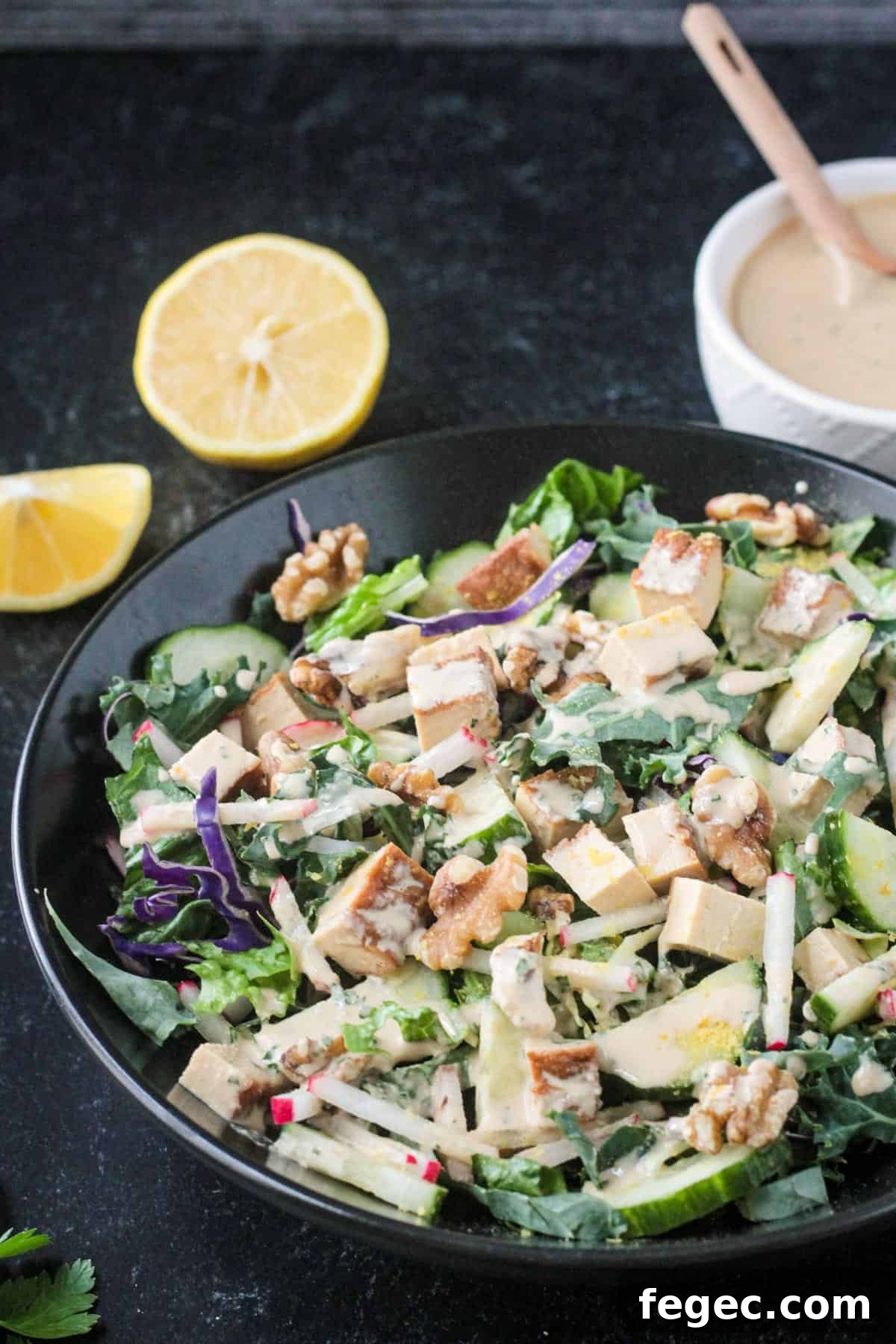
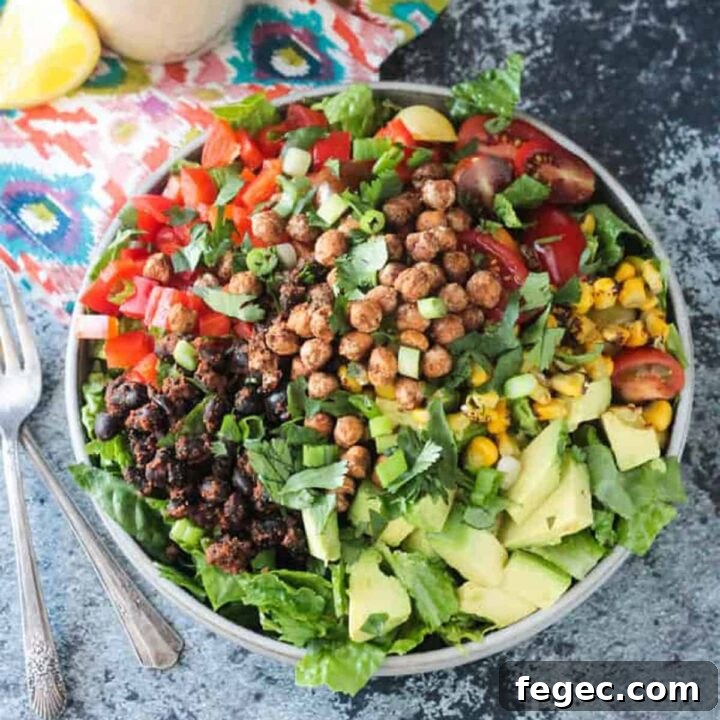
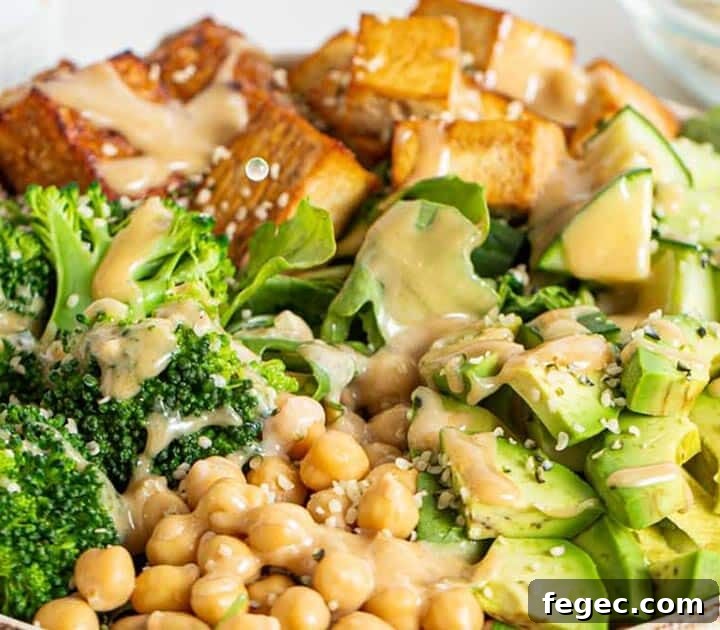
Plant-based proteins: black beans, chickpeas, lentils, edamame, tofu, tempeh, quinoa, and cooked wild rice. Canned beans are inexpensive and convenient—just drain and rinse them well.
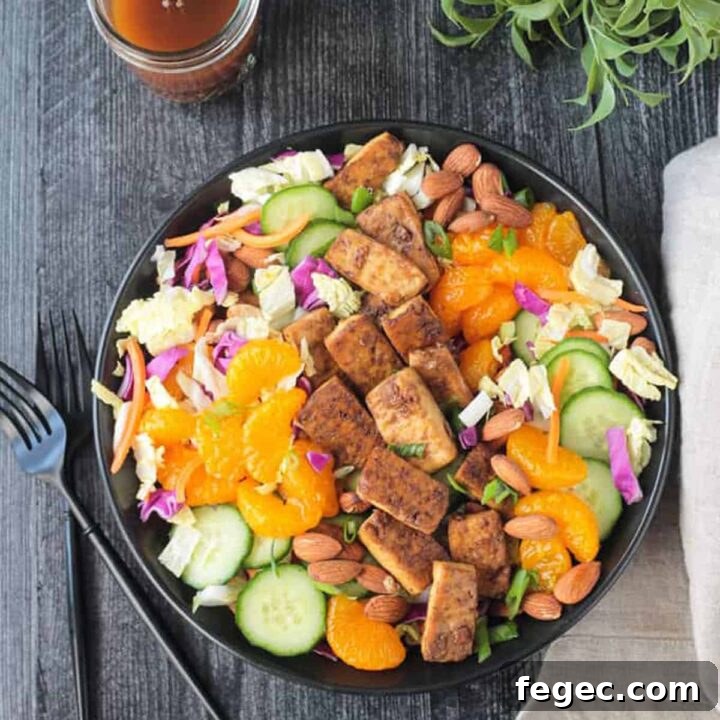
Prepared baked tofu or store-bought tofu slices are handy for quick dinners; you can toss them cold or warm them briefly for contrast.
Healthy fats
Aim for 1–2 tablespoons per serving. Healthy fats help your body absorb fat-soluble vitamins and add satisfying richness.
Good sources: avocado, olives, raw nuts (almonds, walnuts, pecans), and seeds (pumpkin, hemp, flax, sunflower). Nuts and seeds also add a delightful crunch.
Keep in mind these ingredients are calorie-dense—use them judiciously to balance nutrition and portion size.
Garnishes
Aim for 1–2 tablespoons per serving. Small garnishes punch up flavor and visual appeal.
Try chopped fresh herbs (parsley, cilantro, dill, basil), quick-pickled red onions, a sprinkle of nutritional yeast, sprouts, or seaweed flakes. Finish with salt and freshly cracked black pepper.
Extras
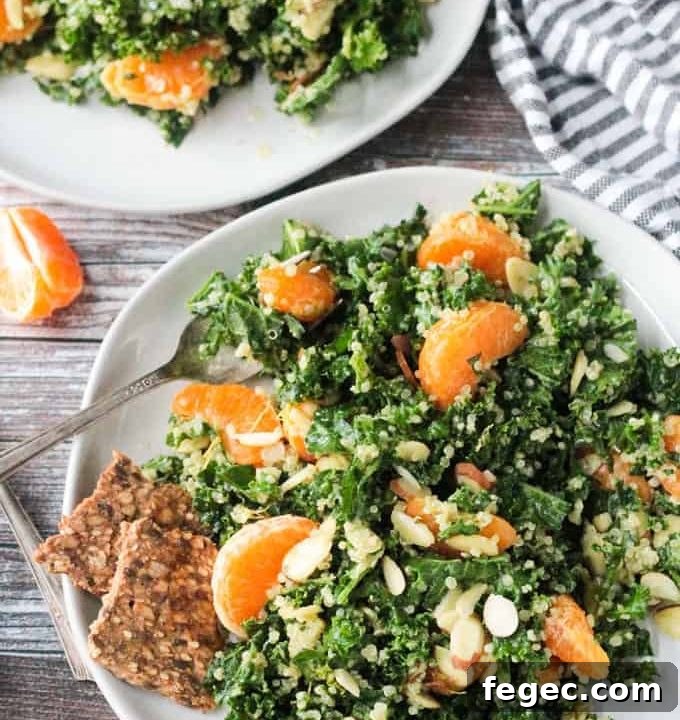
If you want more substance, add a few tablespoons of leftover grains—rice, barley, couscous, or pasta—for chewy texture. Fresh or dried fruit provides a sweet contrast; grapes, apples, strawberries, and orange segments all pair well with savory ingredients.
A sprinkle of vegan parmesan or feta, a drizzle of balsamic vinegar, or a squeeze of lemon can elevate flavor without much effort.
Dressing
Aim for about 2 tablespoons of dressing per serving. Homemade dressings are quick to make and often taste fresher than store-bought varieties.
Popular homemade options include tahini-based dressings, lemon vinaigrettes, creamy plant-based ranch, and sesame-soy dressings. Combining a creamy sauce with a vinaigrette can create layered flavor profiles.
Serving suggestions
Hearty salads can stand alone as a complete meal. For a more substantial spread, serve a slice of crusty bread, cornbread, or garlic bread alongside. In cooler months pair salads with a warm soup; in warmer months choose lighter accompaniments.
Half a sandwich or wrap can also complement a salad nicely—options like hummus sandwiches, veggie wraps, or avocado toast pair well.
Meal prep
Prep components ahead to make weeknight salads effortless. Wash and dry greens with a salad spinner and store them with a paper towel to stay crisp. Chop or roast vegetables in bulk and keep raw and roasted items separate.
Cook large batches of beans, lentils, or grains and portion them into ½-cup servings for quick assembly. Make dressings in advance and store in jars in the fridge.
Storage
Most salad components, stored separately, will keep for 3–4 days refrigerated. Glass jars are ideal for dressings, and airtight containers work well for chopped vegetables, grains, and beans. Use produce savers or larger containers for leafy greens to prolong freshness.
Helpful equipment
Making salads quick and easy encourages consistent healthy habits. Useful tools include a salad spinner, mesh strainers or colander, several cutting boards, a sharp chef’s knife, a reliable can opener, a vegetable peeler, a food processor, a blender, a grater, a spiralizer for vegetable noodles, and salad tongs for tossing.
Pro tips and tricks
~ Include carbohydrates, protein, and healthy fats to create a balanced, satisfying dinner salad.
~ Texture matters: combine crisp greens, crunchy nuts or seeds, and a soft element like avocado or roasted sweet potato.
~ Aim to include flavors from all five taste profiles—salty, sweet, sour, bitter, and savory—to make salads interesting.
~ Use many colorful ingredients to increase variety and visual appeal—eat the rainbow.
~ Fresh ingredients work best for salads; frozen and canned items have their place but are less ideal for raw preparations.
~ Season thoughtfully: sea salt, cracked black pepper, fresh herbs, or a squeeze of lemon can boost flavor and reduce the need for excess dressing.
~ Use a large bowl to toss ingredients comfortably without spills.
FAQs
Yes. Include protein, fiber, and healthy fats along with a variety of vegetables to create a balanced meal.
A mix of textures, colors, and complementary tastes is the key to an excellent dinner salad.
Fresh herbs, pickled onions, citrus juice, balsamic vinegar, and freshly cracked pepper add bright, layered flavors.
Make this recipe
Make this recipe
Make this recipe
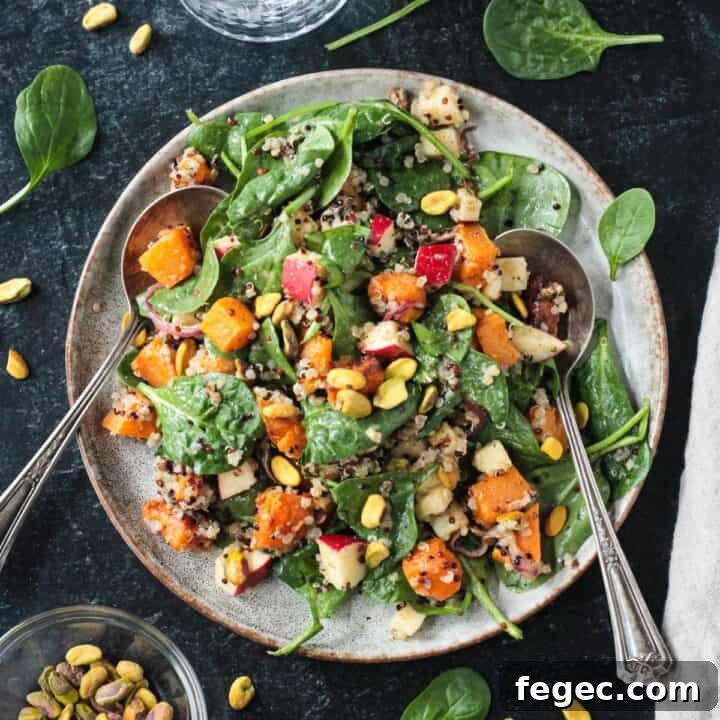
Make this recipe
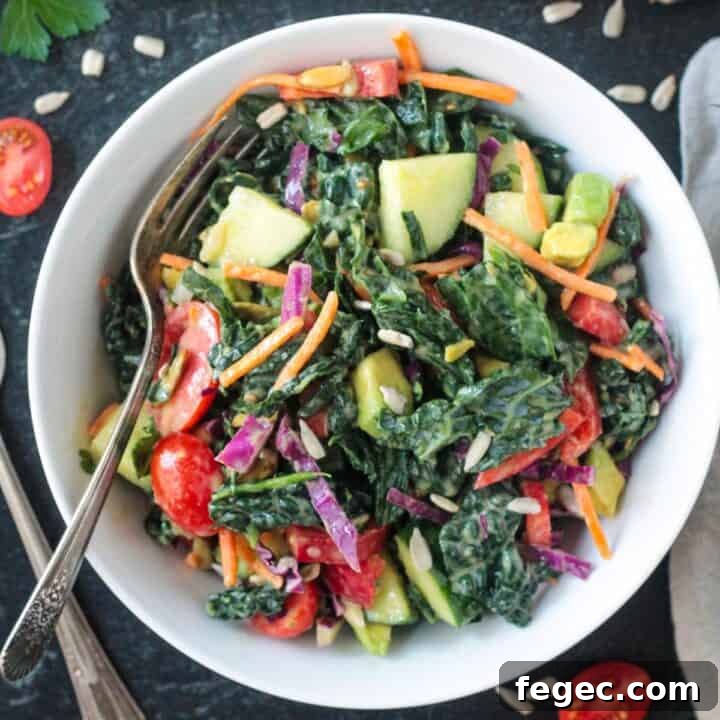
Make this recipe
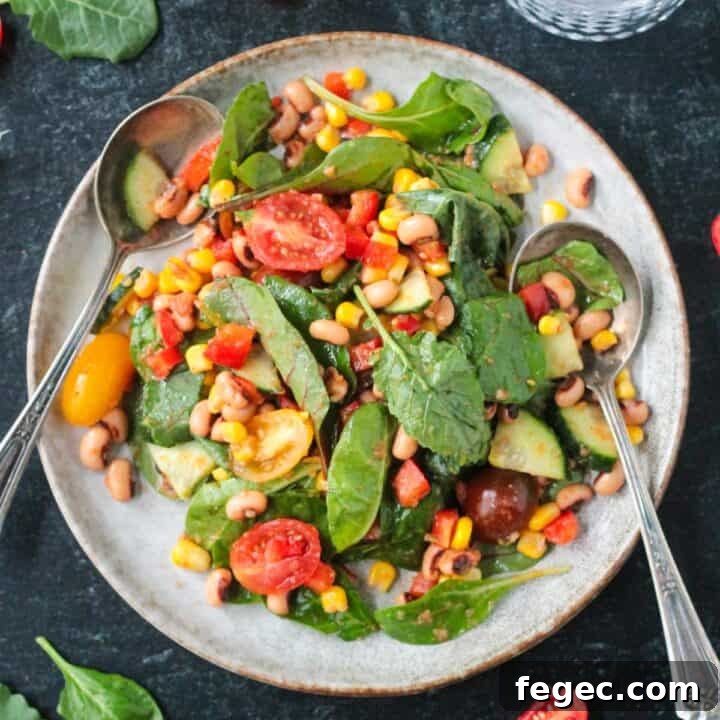
Make this recipe
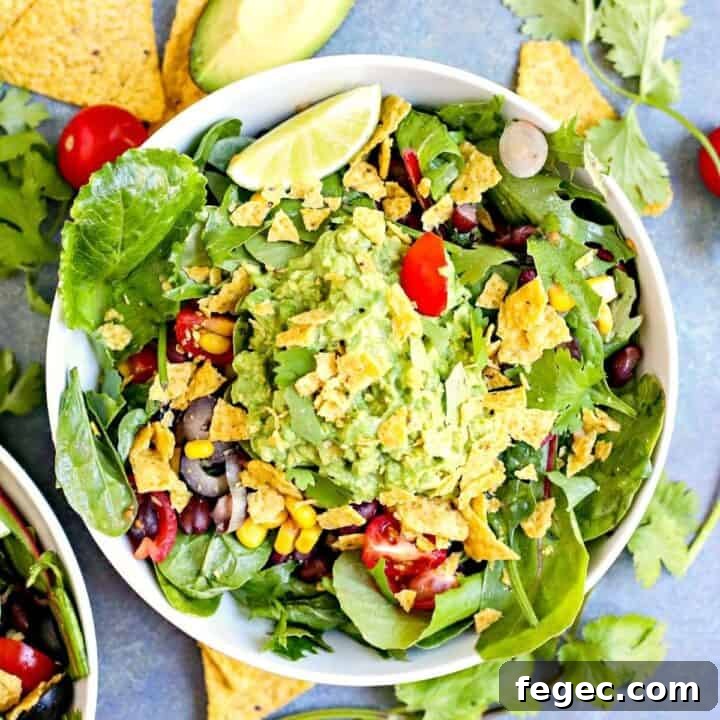
Make this recipe
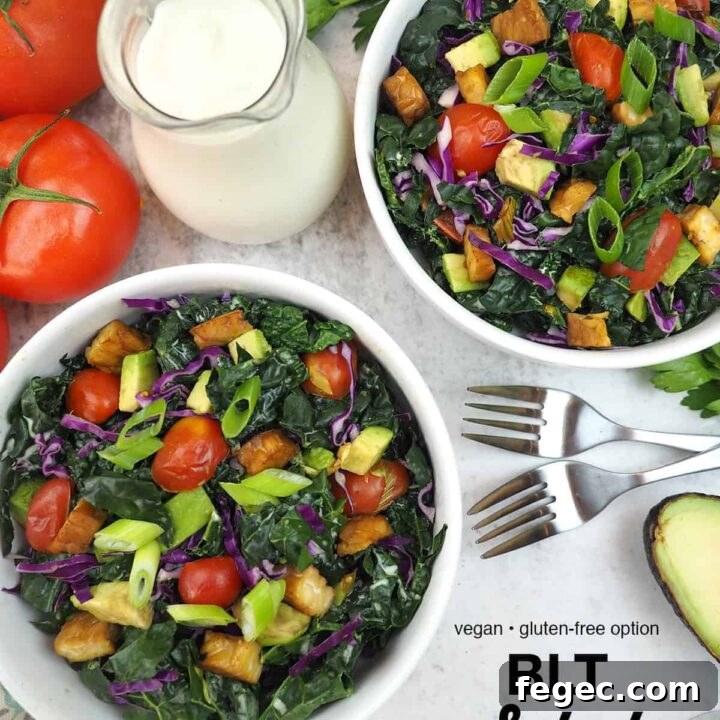
Make this recipe
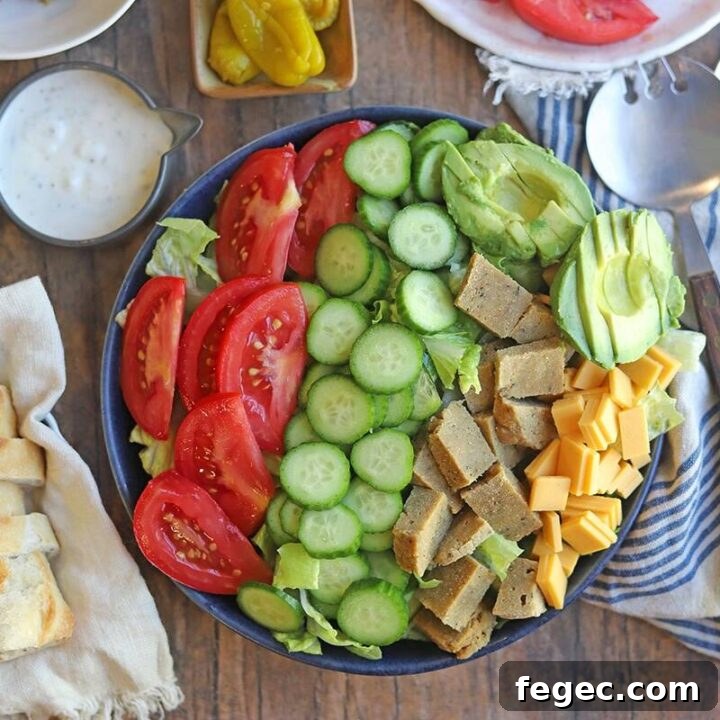
Make this recipe
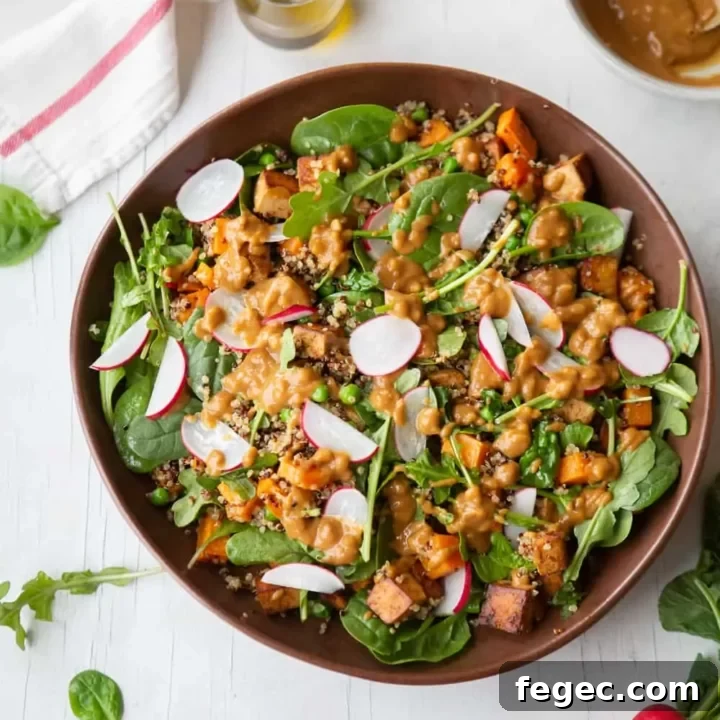
Make this recipe
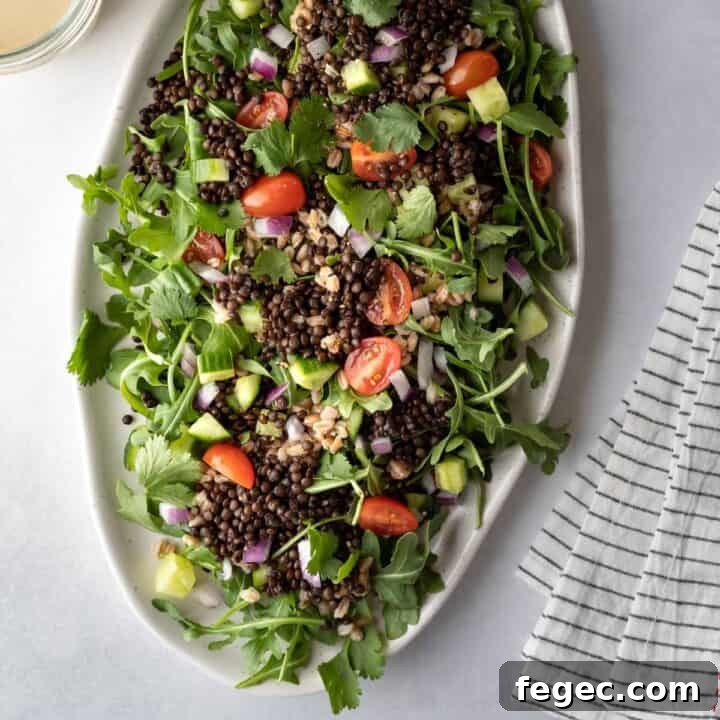
Make this recipe
Make this recipe
Make this recipe