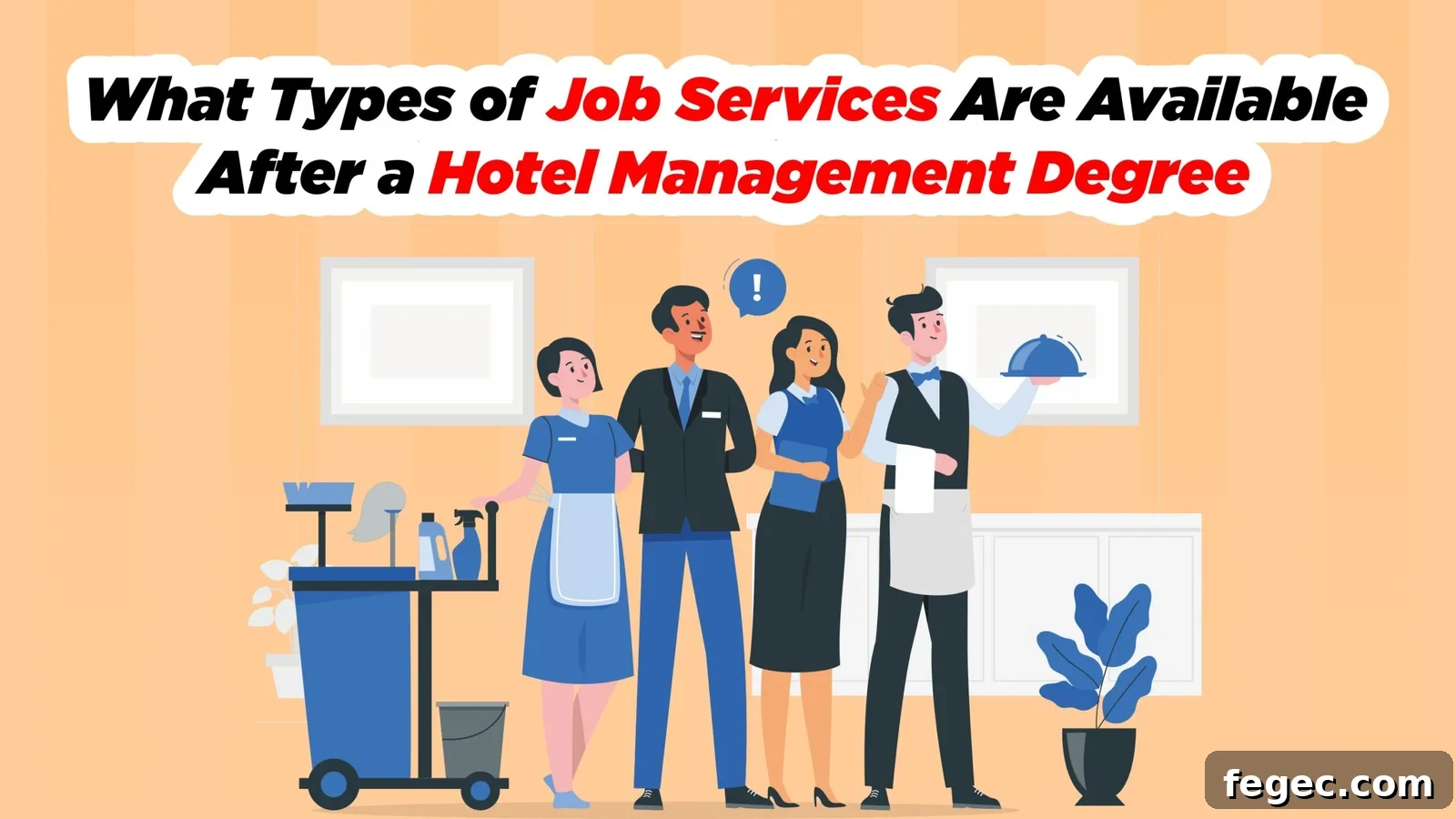
Types of Services in Hotel Management | Scope in Hotel Management | Job Opportunities in Hotel Management
A degree in hotel management opens doors across the hospitality industry, offering diverse roles that focus on guest satisfaction, operational efficiency, and food and beverage expertise. Below is an organized overview of the main service categories and typical job roles you can pursue.
-
Table Service Jobs in Hotel Management

Table service involves seating guests and serving meals at the table, usually by trained waiting staff. Common formats include:
-
English or Family Service
Food is presented on platters to the host, who then portions or allows guests to serve themselves. This style emphasizes hospitality and shared dining experiences and is common in family-style and fine-dining settings.
-
French Service
A more intimate approach where dishes are brought to the table on platters and guests serve themselves, often in a formal or upscale environment. Emphasis is on presentation and personal attention.
-
Russian Service
Food is elaborately presented and sometimes returned to the kitchen for carving and portioning. It’s designed for efficiency while still providing a formal and elegant guest experience.
-
Assisted Service Jobs in Hotel Management: Enhancing Career Opportunities

Assisted service combines staff support with guest interaction. Staff assist in selecting, preparing, or serving food at the table. Typical styles include:
-
Silver Service
Service where staff serve guests from the left and clear from the right. It’s formal, precise, and often used in upscale dining to maintain standards and guest comfort.
-
Gueridon Service
Food is prepared or finished tableside using a gueridon trolley. This provides a theatrical element and allows chefs or waiters to interact directly with guests while completing a dish.
-
Counter Service
Guests select items from a counter and staff serve or plate items for them. This model balances speed and personal service and is common in casual restaurants and cafeterias.
-
Self-Service Jobs in Hotel Management: A Modern Approach
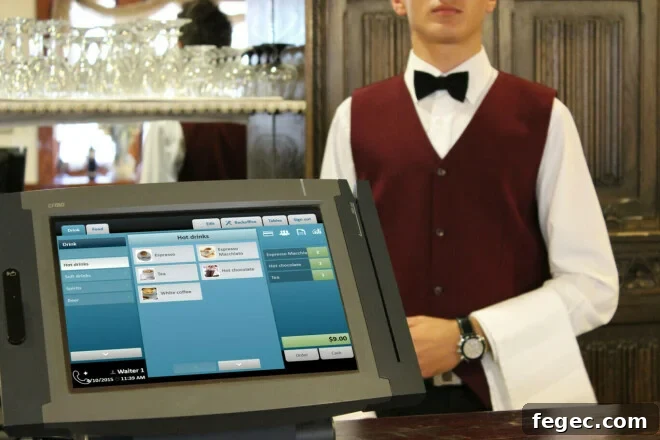
Self-service lets guests choose and serve their own food, which is efficient and scalable for high-volume environments. Key formats include:
-
Cafeteria Service
Guests move along a service line selecting dishes while staff may plate or assist. This suits institutional dining, corporate cafeterias, and casual dining establishments.
-
Buffet Service
Food is displayed and guests serve themselves from a selection of dishes. Buffets are popular for events, hotels, and venues where variety and speed are priorities.
-
Single Point Service Jobs in Hotel Management: Streamlining Guest Satisfaction
Single point service means guests are served at a central counter or location such as a bar or coffee shop. This model focuses on quick, consistent service.
-
Bar Service
Drinks and bar snacks are prepared and served at the bar. Positions include bartenders, bar managers, and barbacks who ensure beverage quality and guest engagement.
-
Coffee Shop Service
Specialized beverage and light-food service delivered at a counter. Roles include baristas, supervisors, and shift leads focused on consistency and customer interaction.
-
Special Service Jobs in Hotel Management: Crafting Exclusive Guest Experiences
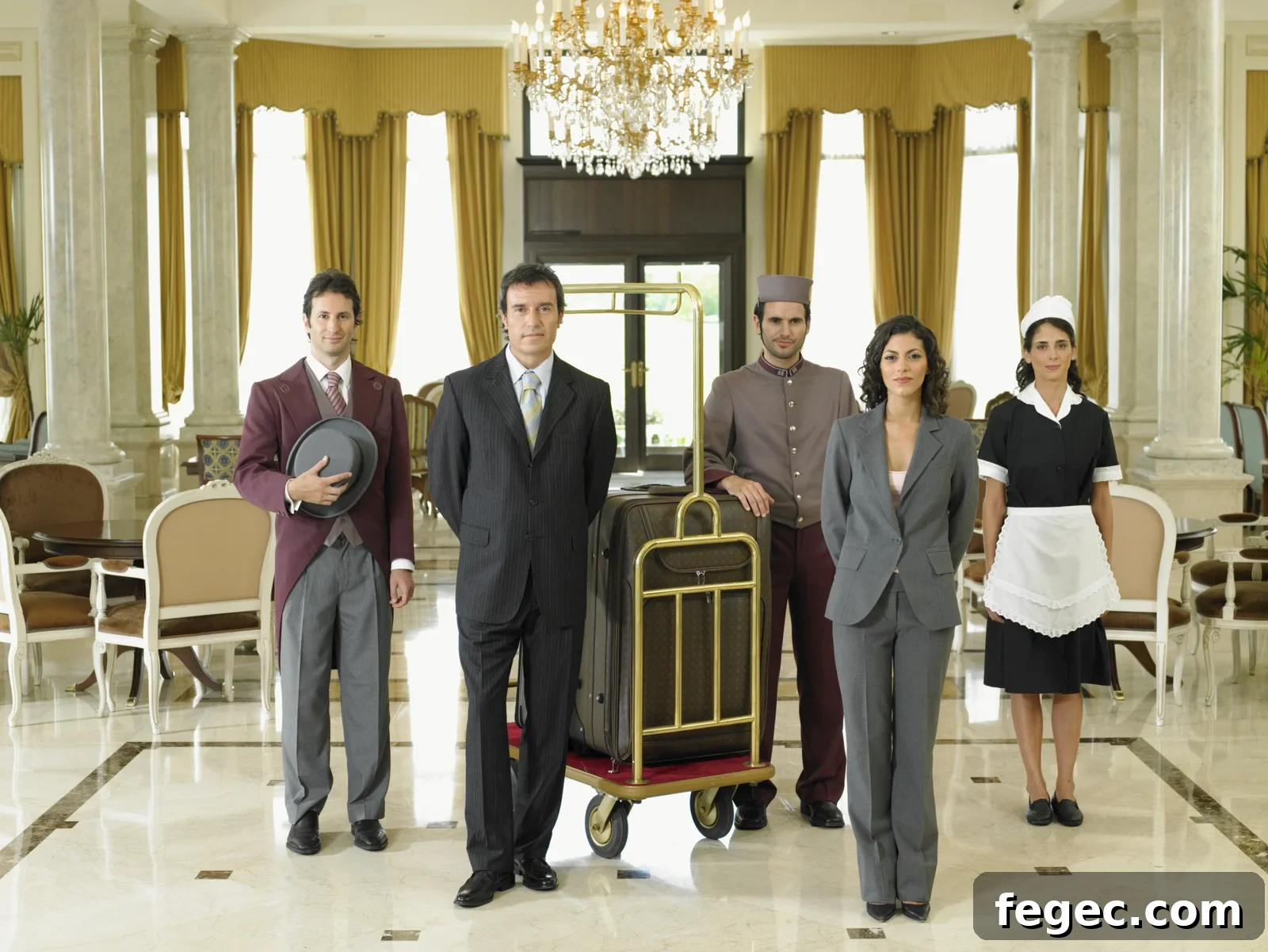
Special services target unique needs or premium experiences and can include on-demand or location-specific offerings. Examples include:
-
Room Service
Food and beverages delivered directly to guest rooms. This requires reliable order management, timely delivery, and attention to presentation.
-
Tray Service
Meals served on trays for settings like hospitals, airlines, or private dining. Tray service emphasizes portion control, hygiene, and punctual delivery.
-
Home Delivery
Food delivered to customer residences. It combines hospitality standards with logistics and customer service for remote dining.
-
Lounge Service
Casual yet refined service in a lounge area, often focused on light meals, beverages, and relaxed interactions.
-
Trolley Service
Items like desserts or specialty drinks are served from a trolley, adding a visual and interactive element to service.
A hotel management qualification prepares you for operational roles, supervisory positions, and specialty functions across food and beverage, front office, events, and accommodation services. Each service type demands specific skills—such as communication, teamwork, menu knowledge, and guest relations—making hospitality a versatile and rewarding career path.
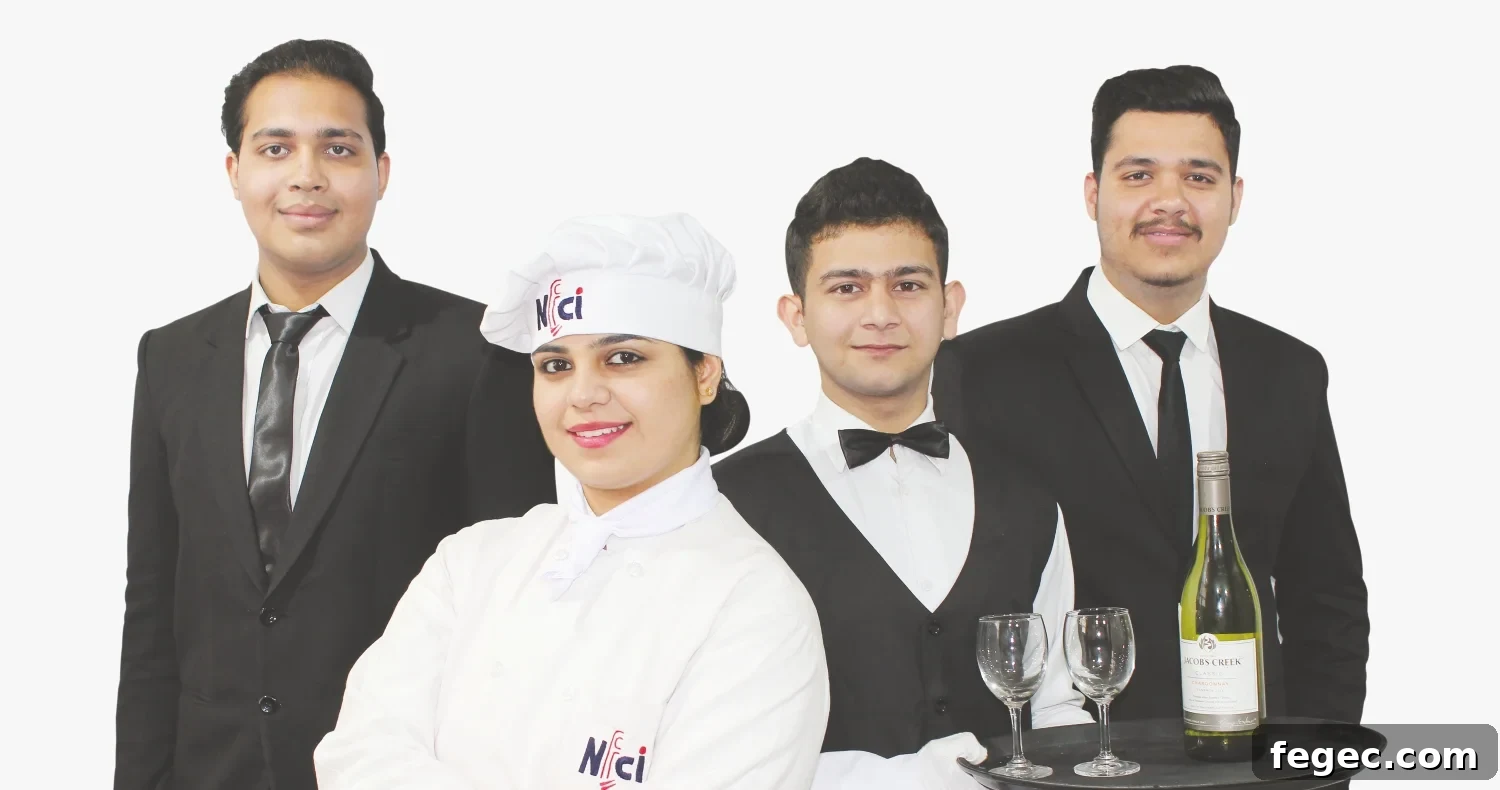
If you are considering training, practical institutes provide hands-on experience, industry mentorship, and career guidance to launch your hospitality journey. Practical exposure, internships, and strong guest-service skills will help you transition from training to professional roles across hotels, restaurants, event catering, and more.